Pomegra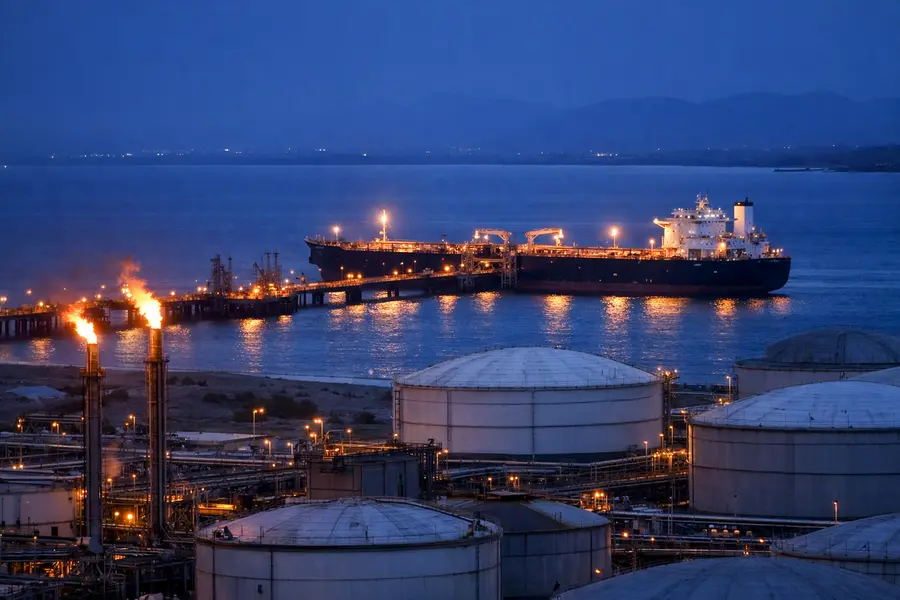
Saudi-backed Yemeni forces say they retook Mocha near the Bab el-Mandeb Strait; Houthis claim strikes on Rabigh and Riyadh, keeping Brent near $100 a barrel.
- Yemeni government forces say they retook Mocha and Dhubab after a Saudi-led air campaign began on October 5.
- Houthis deny losing Mocha and claim missile and drone strikes on an Aramco refinery in Rabigh and Riyadh's main airport.
- Brent traded near $100.84 on October 6, below the $108 peaks of September but well above pre-war levels.
Lead
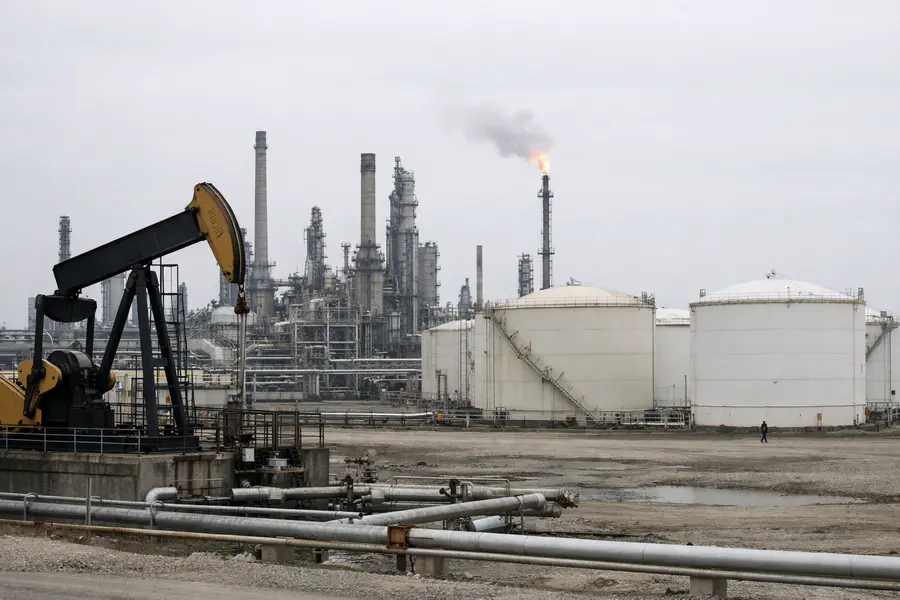
Saudi-backed Yemeni government forces said on Monday, October 5, that they had retaken the Red Sea port of Mocha and several positions near the Bab el-Mandeb Strait from the Iran-backed Houthis. The Houthis denied losing the city. They said they had retaliated with ballistic missiles, cruise missiles and drones against King Khalid International Airport in Riyadh and an Aramco (2222.SR) refinery in Rabigh. Neither Saudi Arabia nor Aramco has confirmed damage at either site. The crude oil price reflected the tension: Brent was near $100.84 a barrel on Tuesday, up about 0.5% on the day, after trading around $102 to $103 on Monday. U.S. benchmark West Texas Intermediate stood near $89.86.
What Happened in Mocha and Near Bab el-Mandeb?
Government-aligned units, including the Homeland Shield Forces and the Giants Brigades, advanced along the Red Sea coast under an offensive named Operation Yemeni Dawn. Yemeni officials said they retook the town of Dhubab, just north of the strait, along with Bab and Hadeid, and then reached Mocha.
The Saudi-led coalition said it had begun an air campaign with 100 fighter jets in support. It also announced "air protection" over the strait and said hundreds of Houthi targets had been destroyed. Battlefield claims from both sides could not be independently verified.
The offensive reverses part of a Houthi advance in early September. The group then seized Mocha, the islands of Perim, Greater Hanish and Lesser Hanish, and the Yemeni coastline facing the strait. That put its forces about 20 kilometers from the African coast.
How Did the Houthis Respond?
The Houthis responded with a wave of long-range strikes. Their military spokesman said the group targeted Riyadh's airport, the Rabigh refinery, Abha airport and the Khamis Mushait military base. The group also warned airlines that Saudi airspace "will be a theater for operations."
Saudi civil aviation authorities reported an attack on Jazan and Najran airports in the south that wounded three people and caused material damage. Satellite imagery and video circulating on Monday pointed to a storage-tank fire at the Rabigh petrochemical complex north of Jeddah. Authorities have not confirmed the cause.
Defense ministers from Saudi Arabia, Turkey and Pakistan also agreed to activate "collective deterrence measures" under a mutual defense pact. That widens the diplomatic footprint of a conflict that began as a Yemeni civil war.
Why Is Brent Still Near $100?
Brent remains near $100 because two of the world's main oil chokepoints are under pressure at once. Iran has kept the Strait of Hormuz largely closed since the U.S.-Israeli war on Iran began on February 28. Bab el-Mandeb handles roughly 12% of global trade, including about 11% of seaborne oil and 8% of liquefied natural gas.
Saudi Arabia has leaned on its East-West pipeline and Red Sea terminals to bypass Hormuz. That route runs through waters the Houthis now threaten. Attacks on the pipeline in September pushed Brent up 2.9% to a settlement of $108.75, and U.S. crude briefly topped $105. Prices have eased since as Middle East exports recovered above pre-war levels, but the cushion is thin. Aramco's chief executive has warned that global inventories are "scarily thin."
Monday's reaction was muted by comparison. Brent barely moved on the first reports from Rabigh, which suggests traders are waiting for confirmation of physical damage and export disruption rather than pricing the claims alone.
Geopolitical Dimension
The campaign is an attempt to restore Saudi and Yemeni government control over the strait's eastern shore. The Houthis' position at Bab el-Mandeb gave Iran and its allies leverage over both ends of the Arabian Peninsula's oil routes. A government hold on Mocha and Dhubab would reduce that leverage, though the Houthis keep missile and drone capacity that can reach Saudi territory from deep inside Yemen.
Washington has so far played a secondary role in the Red Sea theater. It is more focused on Hormuz, where President Donald Trump has rejected Iran's conditions for reopening the strait. He has left open both talks and a resumption of military operations. Red Sea insurers and shipowners will likely stay cautious until the coastline is clearly secured.
What Comes Next for the Crude Oil Price?
The crude oil price over the next three to twelve months depends on three variables: whether Mocha and Dhubab stay in government hands, whether Houthi strikes cause lasting damage at Rabigh or on Saudi export infrastructure, and whether Hormuz reopens.
If government forces consolidate and Saudi export routes stay intact, Brent could drift below $100 as risk premiums fade. A confirmed outage at Rabigh or a renewed hit to the East-West pipeline would put the September highs near $108 back in view. A prolonged fight for the coast would keep tanker war-risk premiums elevated. That would add to freight and insurance costs even if barrels keep flowing.
Outlook
Yemeni forces say they have reopened the eastern approach to Bab el-Mandeb, while the Houthis dispute the claim and have widened their strikes into Saudi Arabia. Brent near $100 shows that markets see supply risk but have not yet seen a confirmed loss of Saudi output. Confirmation of damage at Rabigh and control of Mocha will set the next move.
Mentioned tickers: 2222.SR