Pomegra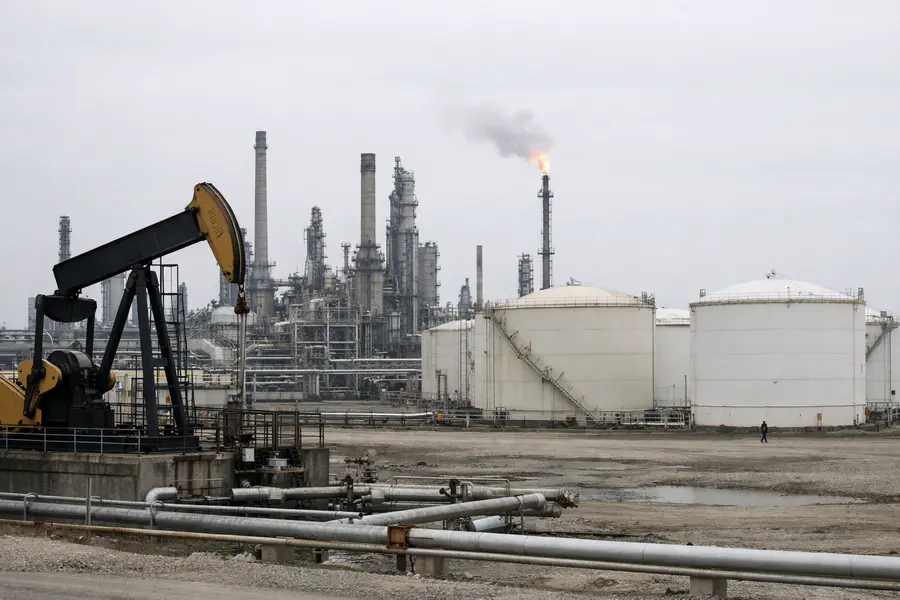
US-Iran talks stalled after Trump denied offering sanctions relief, leaving WTI near $90 and Brent near $98 as traders weigh a Strait of Hormuz deal.
- Trump denied offering Iran sanctions relief, and Iran says the Strait of Hormuz stays shut until seven conditions are met.
- WTI traded near $90 and Brent near $98 on Oct. 1, after Brent rose about 14% in September.
- Qatar and Oman are mediating, and any Hormuz reopening deal would be the main downside risk to prices.
Lead
Talks between Washington and Tehran stalled in the final days of September after President Donald Trump denied he was prepared to offer Iran sanctions relief, a position that left the Strait of Hormuz closed and kept the crude oil price elevated. West Texas Intermediate held near $90 a barrel, while Brent traded near $98 on Oct. 1 and moved back above $100 in early October. Traders are now focused on whether mediated negotiations can produce a deal that restores shipping through a waterway that carried about one-fifth of global oil supply before the war.
What Happened in the US-Iran Talks?
Trump rejected a media report that he would ease sanctions and release frozen Iranian funds in exchange for concrete progress on Iran's nuclear program, saying he had offered Tehran nothing. The denial came days after he turned down Iran's seven-day plan to restore normal maritime traffic through Hormuz, a proposal Tehran presented at the UN General Assembly.
Qatar has since carried U.S. proposals to Tehran and continues to broker contacts between the two sides. Doha has said it is working toward common ground, and talks between Oman and Iran on the strait have reached an advanced stage.
Iran has hardened its stance. Parliament Speaker Mohammad Baqer Ghalibaf said on Oct. 4 that the strait will remain closed until the United States meets seven conditions drawn from an interim agreement reached in June. They include lifting the U.S. naval blockade, unfreezing Iranian assets and halting military pressure. Iran's Foreign Ministry said the latest U.S. proposals largely repeated Washington's earlier positions, particularly on the nuclear file.
How Did Oil Prices React?
Oil rose on the stalemate, then held in a narrow range as mediation continued. On Sept. 28, Brent settled near $105 and WTI near $93 after prices jumped more than $4 intraday on Trump's rejection of the Hormuz plan. Gains were capped by expectations of separate Qatari talks with each side.
By Sept. 30, WTI had risen 1.2% to $90.42. For the month, Brent gained about 14% and WTI more than 5%. On Oct. 1, Brent futures stood at $98.15 and WTI at $90.35, little changed on the day. Early this week, Brent moved back to roughly $101 to $102 while WTI stayed near $90 to $91.
The Brent-WTI spread of roughly $8 to $12 over the period reflects the premium on seaborne crude priced off Middle East disruption. Murban crude, the benchmark for Gulf exports, traded above $110.
Why Are Oil Prices Still Elevated?
Prices stay high because the main export route from the Gulf remains closed and physical markets are tight. Record diesel prices and elevated freight costs have limited the downside on each hopeful headline. Middle East exports from outside Iran rose above pre-war levels last week despite attacks on ships, which has prevented a sharper rally. The market is trading headlines rather than flows.
The structure of the dispute explains why diplomacy has not moved prices lower. Washington links any financial relief to progress on Iran's nuclear program. Tehran links the reopening of Hormuz to the lifting of the blockade and the return of frozen assets. Neither side has accepted the other's sequencing.
Geopolitical Dimension
The strait is the chokepoint through which Gulf producers reach Asian and European buyers. Its closure gives Iran leverage that sanctions and naval pressure have not removed. The U.S. blockade gives Washington leverage in turn. Mediation by Qatar and Oman reflects the interest of Gulf states in reopening the route, since their own export revenue depends on it.
A sanctions-for-access trade is the most plausible bargain, but domestic politics narrow it. Trump's public denial signals that he will not be seen conceding before Iran moves on enrichment. Tehran's seven conditions signal that it will not reopen the strait first.
What Comes Next for Oil Prices?
Oil prices depend on the outcome of the mediated talks, and the risks are two-sided. A framework deal that sequences blockade relief against a phased Hormuz reopening would remove a large part of the supply premium and push Brent back toward the low-to-mid $90s or lower. A breakdown, or further exchanges of strikes, would push Brent back toward the $105 to $107 levels reached in late September.
Over the next three to twelve months, the structural question is whether shippers and insurers return to the strait even after a deal. Insurance costs, naval escort arrangements and the durability of any ceasefire will determine how quickly flows normalize. Strategic reserve releases by G7 members and higher output from producers outside the Gulf offer partial cushions, but neither replaces the volumes carried through Hormuz.
Outlook
The US-Iran talks remain stalled, with both sides restating positions and Qatar and Oman keeping channels open. WTI near $90 and Brent between $98 and $102 price in a prolonged closure with some chance of a deal. The next signal will come from whether Washington offers a sequencing formula on the blockade and frozen assets, and whether Tehran accepts a phased reopening.
Mentioned tickers: CL=F, BZ=F