Pomegra

US economic growth accelerated to 3.4% in the third quarter while PCE inflation rose to 3.6%, keeping a December fed rate increase in sharp focus for markets.
- US GDP grew at a 3.4% annualized pace in Q3, beating the 3.2% consensus and up from 2.2% in Q2.
- PCE inflation accelerated to 3.6% year over year; core PCE edged up to 3.1% from 3.0%.
- The Fed held at 3.75%-4.00% in a 10-2 vote, with two dissents favoring a hike.
Lead
The US economy expanded at a 3.4% annualized rate in the third quarter, the Commerce Department's advance estimate showed on Thursday, October 29, 2026, topping forecasts of 3.2%. The same day, the personal consumption expenditures price index, the Federal Reserve's preferred inflation gauge, rose 3.6% from a year earlier, up from 3.4%. Core PCE, which strips out food and energy, ticked up to 3.1% from 3.0%. The combination of faster growth and firmer prices has turned a December fed rate increase into the market's base case.
What Did the Q3 GDP Report Show?
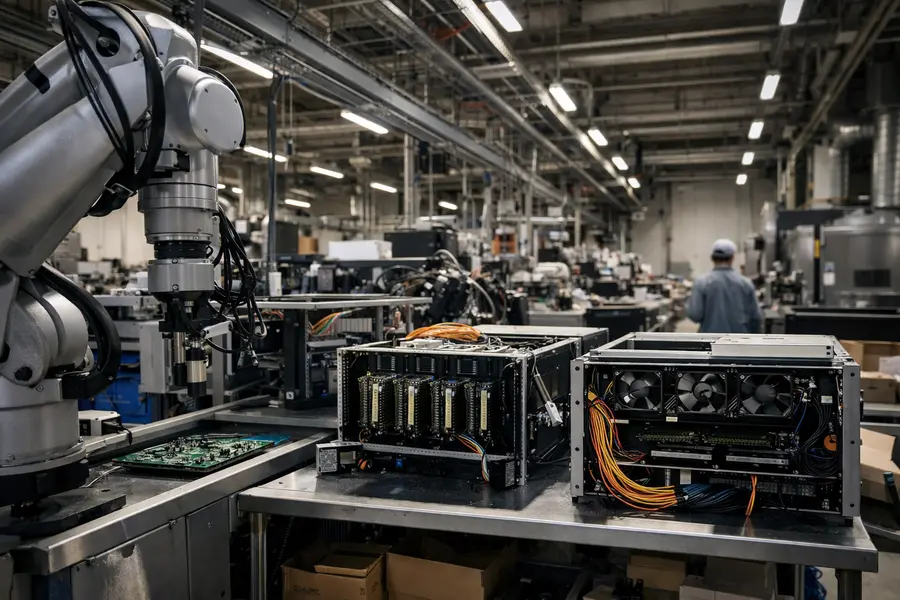
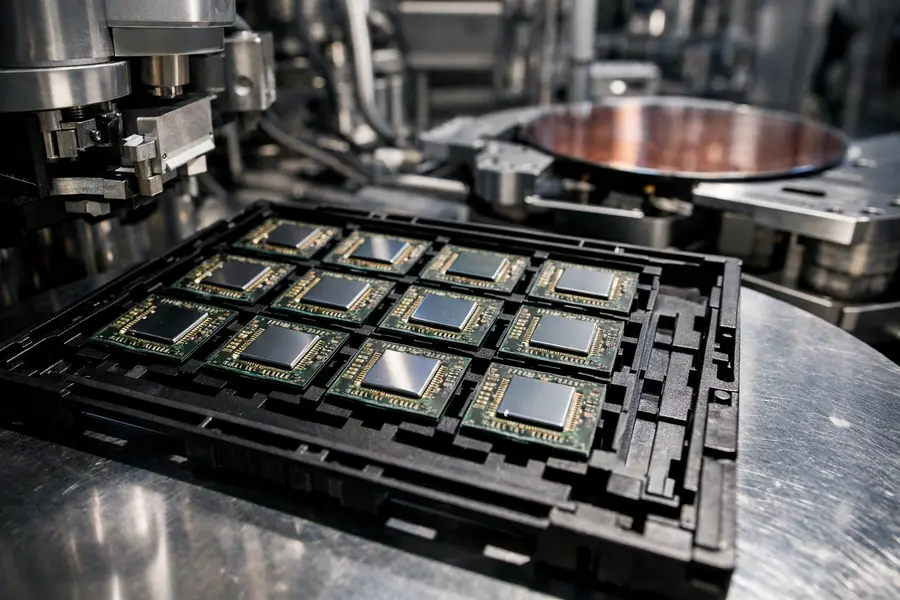
The advance estimate showed output accelerating from 2.2% in the second quarter, driven by consumer spending and a surge in technology investment. Consumer spending rose at a 3.8% annualized rate, matching the second quarter and contributing 2.5 percentage points to headline growth. Business investment grew at a nearly 13% pace, with equipment spending led by computers and related hardware, consistent with the large AI data-center buildout under way across the US economy.
The growth came despite elevated energy prices tied to the conflict involving Iran, which has pushed up costs for households and firms. Strong spending on services and equipment offset that drag.
How Hot Is Inflation Running?
Headline PCE inflation of 3.6% is now running well above the Fed's 2% goal and has accelerated for a second straight reading. The pickup in the headline figure reflects energy costs, while the rise in core PCE to 3.1% indicates that price pressure is spreading beyond fuel and food.
The gap between headline and core readings narrowed only slightly, and core inflation has not retreated toward target at any point this year. For policymakers, that persistence matters more than the energy-driven swings in the headline number.
How Does This Affect the Fed's Next Move?
The data strengthen the case for a 25-basis-point increase at the December 8-9 meeting. On October 28, the Federal Open Market Committee left its target range at 3.75%-4.00% in a 10-2 vote. Cleveland Fed President Beth Hammack and Governor Lisa Cook each dissented in favor of an immediate quarter-point hike. The committee's statement described activity as expanding at a solid pace and inflation as elevated relative to its 2% objective.
Futures pricing moved to roughly 83% to 90% odds of a December increase following the decision and data, compared with less than even odds a month earlier. A Reuters poll of 100 economists conducted before the meeting found all expecting a December hike. The Fed will also publish updated economic projections at that meeting, which will show how many officials see further tightening in 2027.
Market Reaction: Treasury Yields Stay Above 5%
The 10-year Treasury yield edged up less than one basis point to 5.01% on Thursday, holding just above the 5% threshold. The 2-year yield, the most sensitive to expectations for interest rates, rose 1 basis point to 4.70%. The muted move reflects how much of a December hike had already been priced in before the data landed.
Rates near 5% on long-dated government debt continue to feed through to mortgages, corporate borrowing costs and equity valuations. Growth-sensitive sectors tied to the AI buildout, including semiconductors and cloud infrastructure, remain exposed to any rise in discount rates even as they benefit from the capital spending captured in the GDP data.
What Comes Next for the Fed and the Economy?
The next major inputs are the October and November employment and consumer price reports, which arrive before the December meeting. A hike looks likely to be delivered unless labor-market data weaken sharply or energy prices fall enough to pull headline inflation lower.
Three scenarios frame the near term:
- Hike in December: a move to 4.00%-4.25% would confirm that the committee prioritizes inflation persistence over the risk to growth.
- Hold with a hawkish bias: a pause would likely come with signals that tightening remains available in early 2027.
- Growth slowdown: a notable cooling in consumer spending would reduce pressure, though the Q3 data point the other way.
Outlook
Third-quarter growth of 3.4% and PCE inflation of 3.6% leave the Fed facing an economy that is running hot without evidence that price pressure is fading. With two officials already voting for a hike and Treasury yields holding above 5%, the December 8-9 meeting is set to decide whether policy tightens again. Employment and inflation reports in November and early December will determine whether the committee follows through.