Pomegra
Rubio hosts G20 foreign ministers in Atlanta as Lavrov arrives, with Ukraine, Iran, tariffs and a $113 Brent price dividing the world's largest economies.
- Secretary of State Marco Rubio is hosting a two-day G20 foreign ministers' meeting in Atlanta, which opened Friday, October 30.
- Brent crude trades near $113 a barrel, up more than 15% in October, as the Strait of Hormuz disruption keeps energy security on the agenda.
- No joint communique is expected. The United States will issue a chair's summary ahead of the December 14-15 leaders' summit in Miami.
Lead
Russian Foreign Minister Sergey Lavrov landed in Atlanta on Friday for the G20 foreign ministers meeting hosted by US Secretary of State Marco Rubio. His government aircraft flew 20 hours and 10 minutes from Moscow on a route that avoided countries Russia classes as unfriendly. The gathering, four days before US midterm elections, opens with the group split over the wars in Ukraine and Iran, American tariffs and an energy shock that has pushed fuel prices to the top of the domestic political agenda.
Who Is at the Table in Atlanta?
The meeting brings together top diplomats from most of the world's largest economies, though several key figures are absent. Lavrov, EU foreign policy chief Kaja Kallas, Saudi Foreign Minister Prince Faisal bin Farhan and Turkish Foreign Minister Hakan Fidan are attending. China is sending a deputy foreign minister rather than Wang Yi.
Ukraine is not a G20 member and was not invited. South Africa was excluded by Washington amid disputes with the Trump administration. Russia's delegation faced last-minute visa complications. Western governments have signaled that Moscow's participation does not confer legitimacy on its actions.
The official agenda covers freedom of navigation, energy and food security, supply chains for critical minerals and the effect of geopolitical tension on economic security.
Why Are the Ukraine and Iran Wars Dividing the G20?
The two wars pull members in opposite directions on sanctions, shipping security and the role of Moscow. The administration is pursuing a peace track on Ukraine, with trilateral talks among Russian, Ukrainian and US officials scheduled for November. It is also seeking Russian cooperation in easing fuel prices. European members, led by Kallas, are pressing for accountability mechanisms on Ukraine. Lavrov is expected to campaign against sanctions and for a "multipolar" order and faster reform of global economic institutions.
On Iran, US and Israeli strikes beginning in late February led Tehran to close the Strait of Hormuz. Turkey is urging dialogue between Washington and Tehran. France is pushing energy diversification, while the Trump administration favors expanded domestic drilling. China has objected to freedom-of-navigation language in draft texts, which also references the South China Sea.
How Is the Energy Shock Shaping the Talks?
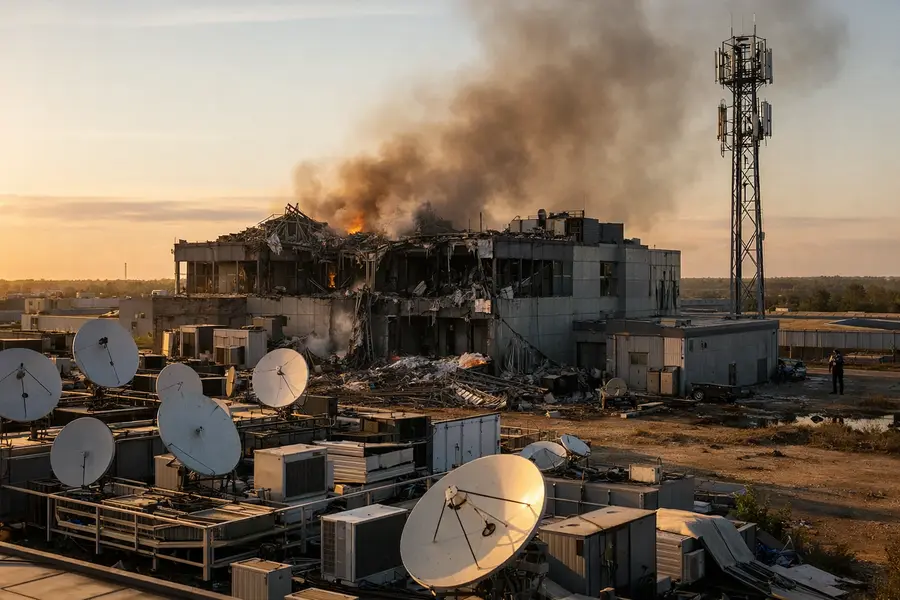
Energy prices are the economic channel linking every dispute on the table. The Brent benchmark traded near $113 a barrel on Friday, having gained more than 15% in October as attacks on tankers and Gulf energy infrastructure, including a Saudi pipeline used to bypass Hormuz, tightened supply. Ukrainian strikes on Russian refineries and Moscow's retaliation add a second supply risk.
For Washington, the crude oil price is a domestic political variable as much as a diplomatic one. Lowering pump prices before Tuesday's vote is a stated priority, which explains the interest in Russian cooperation. For importers across Europe and Asia, higher fuel and freight costs compound the drag from US tariffs on trade volumes.
Tariffs and Trade Frictions
US tariffs remain a standing grievance among members, including some of Washington's allies. The Atlanta session is not designed to negotiate trade terms, but delegations are using it to raise the cost of tariffs to supply chains already strained by shipping disruption in the Gulf, the Red Sea and the Black Sea. Critical minerals supply, an area where China holds processing leverage, features on the formal agenda.
What Comes Next for the G20 Process?
The immediate outcome is a chair's summary rather than a negotiated declaration, because a joint communique is no longer achievable. That format records the US view of the discussion without requiring consensus from Russia, China or others who object to specific language.
Attention then shifts to the leaders' summit on December 14-15 at President Donald Trump's Doral resort near Miami. Russian President Vladimir Putin's attendance is unconfirmed, and the UAE, absent from Atlanta, has been invited to Miami.
Outlook
The Atlanta meeting is likely to produce visible disagreement rather than agreement, and the absence of a joint text sets a low bar for December. The near-term market link runs through Hormuz: any movement on talks with Iran, or on Russian energy supply, feeds directly into a Brent price that has risen steadily through October. The November US-Russia-Ukraine talks and the post-midterm policy path on Iran are the next points that could shift both diplomacy and energy markets.