Pomegra
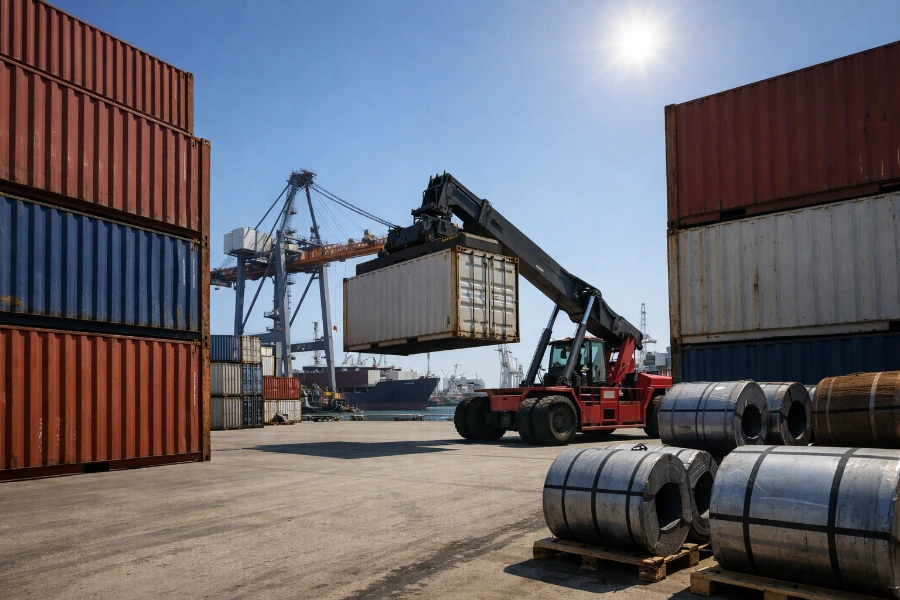
The US proposed Section 301 tariffs of up to 20% on China, the EU, Japan and 11 other partners, with some goods facing total rates above 40% in early 2027.
- USTR proposed Section 301 tariffs on 14 economies over "structural excess capacity" in manufacturing.
- China faces an added 20%, which stacks on existing duties and can push some goods above 40%.
- Comments close January 5, 2027, and hearings start January 25, 2027.
Lead
The Office of the US Trade Representative on November 25 proposed a new set of country-specific tariffs on 14 economies. They are China, the European Union, Japan, South Korea, Taiwan, Switzerland, India, Vietnam, Singapore, Indonesia, Malaysia, Thailand, Cambodia and Bangladesh. The measures rest on Section 301 of the Trade Act of 1974. They are meant to replace the duties the Supreme Court struck down in February 2026. They could take effect as early as January 2027 after public consultation.
What Did the Administration Propose?
The proposal sets a tariff for each economy, based on findings from investigations opened on March 11, 2026. The EU, Japan, South Korea, Switzerland and Taiwan face a 15% rate, calculated net of most-favored-nation duties. China faces an added 20%. Indonesia, Malaysia, Thailand and Cambodia face 18%.
Vietnam faces a 35% rate that falls to 20% if it concludes a trade agreement. India faces 25%, falling to 17% under a deal. Singapore faces 20%, falling to 10%. Higher alternative rates of 20% to 25% apply to several partners, and up to 40% for China, if talks fail.
Goods already covered by Section 232 duties are excluded for 13 of the 14 economies. These include steel, aluminum, copper, vehicles, pharmaceuticals and semiconductors.
How Could Total Rates Exceed 40%?
Total rates can pass 40% because the new duties stack on tariffs already in place. The China levy sits on top of existing duties of about 25%. The administration estimates the combined rate at roughly 40%, and some product lines would go above it. The notices do not say how the "net of existing tariffs" formula will be applied in practice. The new duties would also supplant the 10% to 12.5% forced-labor tariffs imposed in July 2026 wherever both apply.
How Did Markets and Governments React?
Markets sold off on the announcement. The Nasdaq fell nearly 4% in early trading on November 25, as tariff concerns compounded a pullback in AI-linked shares. Treasury yields declined as investors moved toward safer assets.
Beijing rejected the findings. Its foreign ministry called overcapacity "a false proposition" and said China opposes using it as a pretext for political manipulation. The EU said it strongly rejects the premise that Europe is a source of structural overcapacity. Switzerland also contested the findings.
USTR Jamieson Greer said the negotiated rates with the EU, South Korea and Japan will stay in place. He argued those agreements already address many of the excess-capacity concerns.
What Comes Next for the Tariffs?
Written comments and hearing requests are due January 5, 2027, and public hearings begin January 25. A final determination is expected in early 2027. The US-China trade truce expires on January 10, 2027, which puts the Chinese rate at the center of talks. Section 301 lets the administration adjust rates without new legislation. That gives the White House leverage in bilateral negotiations and keeps rates open to change.
Outlook
The proposal rebuilds the tariff structure that the Supreme Court dismantled. It does so through a statute with a longer legal track record. Final rates will depend on the comment period, negotiations with Beijing and the progress of trade agreements with India, Vietnam and Singapore. Importers face a January 2027 effective date at the earliest, and the stacking rules are still unclear.