Pomegra
The Trump administration has dropped business deals with Russia as a lever to end the Ukraine war, and Trump rejected a January deadline for a settlement.
- Washington has put energy, aviation and titanium ventures with Russia on the back burner after the Kremlin showed little interest.
- US envoys told European officials the pitch now centers on territory and security guarantees.
- Trump said he has set no deadline for a deal, despite earlier signals of a January target.
Lead
The Trump administration has shelved proposals to use commercial deals with Russia as an incentive to end the war in Ukraine, the Financial Times reported on November 25, 2026. Special envoys Steve Witkoff and Jared Kushner have told European officials that corporate tie-ups are no longer a core part of the US pitch to Moscow. The shift removes a prospective sanctions-relief and investment channel that investors in Russian assets, including those tracking the MOEX Russia index, had watched as a possible route to normalization. Trump has also dismissed the idea of a January deadline for a peace agreement.
What Did Washington Drop?
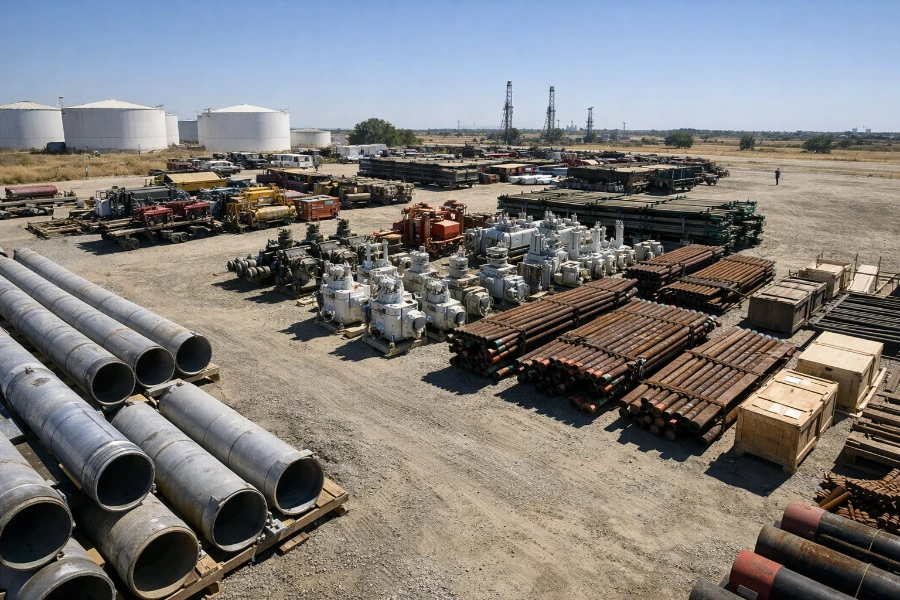
Washington dropped a set of proposed ventures in energy and aviation that were designed to give Russia a commercial stake in a settlement. The ideas included US companies investing in Russian oil projects, titanium production partnerships and discussion of a sale of ownership in the Nord Stream pipelines, which were blown up in September 2022.
The economic track is now described as "on the back burner." In its place, the US has adopted what officials call a more traditional approach built around "land for peace," with territory and security arrangements at the center of the talks.
Why Did the Business Track Stall?
The business track stalled because Moscow did not engage with it. An official cited by the FT said it was made clear that the Russians "were not in the market for this kind of thing." The Kremlin showed little interest in the energy and aviation proposals, which left the envoys without a commercial inducement to offer.
The episode followed a limited sanctions gesture in October, when the administration temporarily eased US sanctions on Russian fuel after Russia agreed to supply diesel to global markets. That step addressed fuel supply rather than the broader commercial offer, and it did not alter Russia's negotiating position on territory.
Is There Still a January Deadline?
Trump says there is no formal January deadline, though the date has circulated among negotiators. Trump laughed off questions about the timeline after Ukrainian President Volodymyr Zelenskyy said in a Bloomberg interview that Kushner and Witkoff were aiming for an agreement by January. Trump has since said he has set no deadline and hopes the war ends as soon as possible.
A senior US official has said Trump wants the war wrapped up by January and believes Russia could secure more favorable terms if a deal comes before then. The date coincides with the arrival of a Democratic-controlled Congress after the party's midterm election gains this month, which is expected to complicate any settlement requiring legislative support or sanctions changes.
Geopolitical Dimension
The pivot reflects the constraints on a commercially driven settlement. Russia's core demands remain territorial and security-related, and corporate incentives did little to move them. For Kyiv and European capitals, the change returns the talks to the questions they have prioritized: where lines are drawn, what guarantees back them and how any ceasefire is monitored.
Europe has argued that economic normalization with Russia should follow, not precede, a settlement. The shelved proposals had raised concern in European capitals about sanctions erosion and about the future of energy ties severed since 2022. Their withdrawal reduces that friction, but it also leaves Washington with fewer tools to offer Moscow beyond sanctions relief and diplomatic recognition of battlefield realities.
Market and Economic Channels
For markets, the shelving narrows the near-term path to sanctions easing on Russian energy and removes the prospect of Western capital returning to Russian oil, aviation and metals. Energy traders had tracked any sign of Nord Stream or crude-related arrangements as a potential shift in European gas supply and global oil flows. Without a commercial track, the diesel exemption remains the main case of US flexibility on Russian fuel.
Russian assets, from the ruble to the MOEX benchmark, are exposed mainly to the sanctions regime and to energy prices rather than to the business-deal proposals themselves. Their direction over the next three to twelve months will depend on whether territorial talks produce a ceasefire framework.
What Comes Next for the Talks?
The next phase turns on whether trilateral talks among the US, Russia and Ukraine resume. Putin said after meeting Witkoff in October that the Kremlin was ready to restart such talks after mid-November. A territorial formula acceptable to both Kyiv and Moscow remains the central obstacle, and without commercial incentives the US relies on diplomatic pressure and security assurances.
The absence of a deadline lowers the cost of delay for Moscow, while the incoming Congress raises the cost of a deal that depends on Western sanctions relief. Scenarios range from a stalled process through the winter to a narrower ceasefire arrangement that defers the larger economic questions.
Outlook
Washington has moved from a deal-making approach to a conventional territorial negotiation after Russia rejected its business offers, and Trump has publicly disowned a January target. The next signals will come from the resumption of trilateral talks, any further changes to fuel sanctions and the new Congress's stance on Russia policy.
Mentioned tickers: None