Pomegra
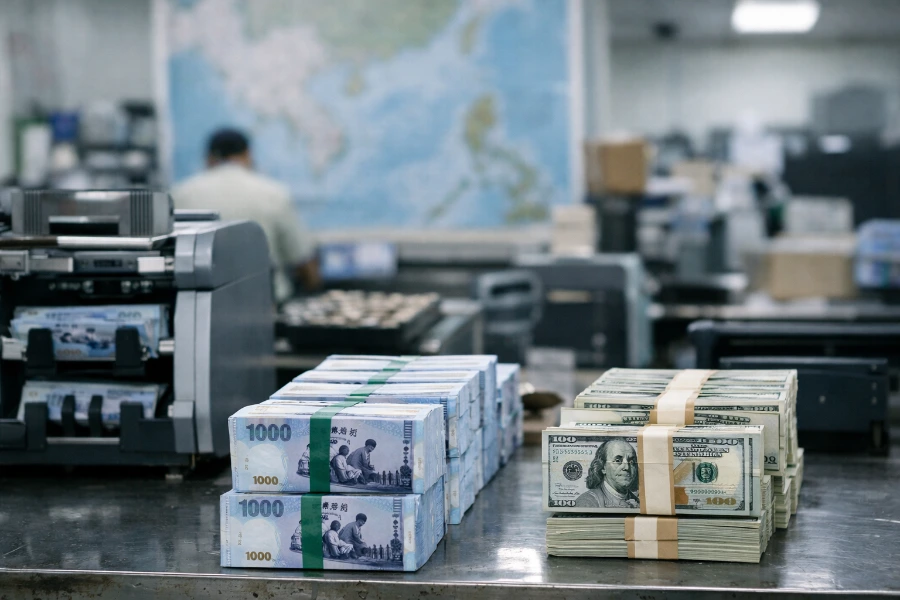
China's defense ministry told Japan to stop stirring up South China Sea trouble, while the Taiwan dollar fell past 33 per US dollar on heavy foreign outflows.
- China's defense ministry demanded Japan stop "stirring up trouble" over the South China Sea after a Japan-Philippines equipment deal.
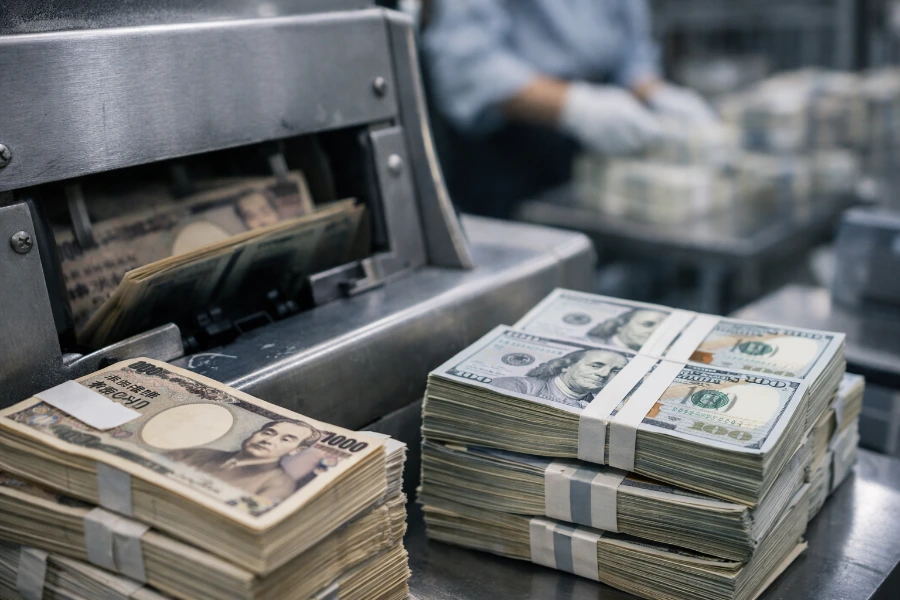
- The Taiwan dollar closed at 33.126 per US dollar on November 25, a 19-month low, despite central bank intervention.
- Foreign investors have pulled more than $10 billion from Taiwan in November as a tech selloff spreads.
Lead
China's defense ministry urged Japan on Thursday, November 26, to stop "stirring up trouble" over the South China Sea. Spokesperson Chen Xi told a regular Beijing briefing that Japan is not a party to the disputes and has no right to comment on them. A day earlier, the Taiwan dollar closed at 33.126 per US dollar, its weakest level in more than 19 months, as foreign investors sold Taiwanese equities. The two developments have separate causes, but both bear on risk perception across the western Pacific.
What Did China Say to Japan?
China demanded that Japan stop interfering in South China Sea affairs and accused Tokyo of using "so-called external threats" to deepen regional anxiety. Chen said Japan was forming military cliques and trying to expand its military presence in the waterway. The remarks answered questions about Japan's decision to equip the Philippines with coastal surveillance gear.
Beijing claims nearly all of the South China Sea. Those claims overlap with those of the Philippines, Vietnam, Malaysia, Brunei and Taiwan. A 2016 tribunal in The Hague found China's claims had no legal basis, a ruling Beijing rejects.
What Is the Japan-Philippines Deal Behind the Dispute?
The trigger is a 4.3 billion yen ($27 million) package signed in Manila on Monday, November 9. Japanese Ambassador Katsuro Kitagawa and Philippine Foreign Secretary Theresa Lazaro signed it. The Philippine Navy will receive coastal surveillance radars, and the Philippine Air Force will receive unmanned aerial vehicles for intelligence, surveillance and reconnaissance.
It is the first transfer of finished Japanese-made defense equipment under Japan's Official Security Assistance program. Tokyo created the program in 2023 as a military counterpart to official development assistance. The aim is to help partner states address pressure from China's growing regional influence. Manila and Tokyo are both formal US allies, and the transfer marks a shift from Japan's earlier focus on coast guard vessels and infrastructure toward military hardware.
Why Did the Taiwan Dollar Fall Past 33 Per US Dollar?
The Taiwan dollar fell because foreign investors are leaving Taiwan's technology-heavy equity market, not because of the maritime dispute. Central Bank Governor Yang Chin-long has said foreign net outflows exceeded $10 billion in the first part of November. Outflows were about $28 billion in October.
The pressure peaked this week. On Wednesday, November 25, foreign investors sold a net NT$123.654 billion (about $3.7 billion) of local shares, the seventh-largest single-day foreign selloff on record. The Taiex benchmark fell 4.80%, or 1,926.92 points, to 38,195.43. That reversed most of Tuesday's record 8.99% rally. Turnover reached NT$1.19 trillion, and the index touched an intraday low of 36,681.90.
The currency first breached 33 on November 6, touching 33.040, its weakest since April 2025, before exporters selling dollars and state-owned bank intervention pulled it back to 32.702. The 33 level is watched closely because it has rarely been breached over the past decade.
How Is Taiwan's Central Bank Responding?
The central bank has intervened through state-owned banks and says it will act when capital flows are "especially large or concentrated." Its policy rate is 2%, unchanged since September. Yang has said the next decision, due December 17, depends on this year's and next year's inflation, overseas rate moves and credit growth. A rate rise remains an option if inflation stays above 2%, though higher rates would add pressure on an equity market already under strain.
Geopolitical and Market Dimension
The economic channel linking the two stories is Taiwan's concentration in advanced semiconductors. Taiwan produces most of the world's leading-edge chips, so the island is both a technology bellwether and a strategic flashpoint. Currency and equity moves in Taipei respond mainly to AI capital spending expectations. Security headlines over Taiwan and the South China Sea add a risk premium to a market already facing record flows.
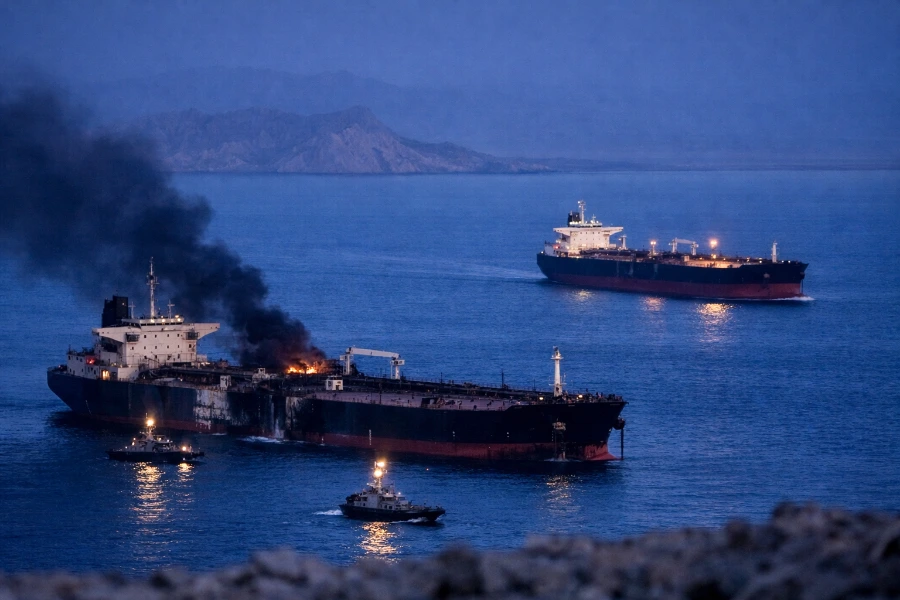
The South China Sea carries a large share of global maritime trade, including regional energy and electronics shipments. Closer Japan-Philippines defense ties raise the diplomatic cost of any incident near the Second Thomas Shoal and other contested features. They also give Beijing a reason to keep pressing Tokyo, which has already been a target of Chinese criticism this year.
What Comes Next for Japan, the Philippines and the Taiwan Dollar?
Further Chinese statements against Japan's maritime role are likely as deliveries under the Official Security Assistance program proceed. Expect continued coordination between Tokyo and Manila, which will strengthen Philippine monitoring of Chinese vessel movements. For Taiwan, the near-term path depends on whether US technology shares stabilize and whether foreign selling slows. The central bank's December 17 meeting is the next scheduled policy test for the currency.
Outlook
China's warning to Japan reflects Beijing's resistance to deeper Japan-Philippines security ties, and it adds to maritime tension without a new military event. The Taiwan dollar's slide past 33 reflects capital flight from a tech-heavy market, with intervention so far limiting the damage. The Taiwan dollar's direction depends on US chip stocks and flows, while South China Sea tension depends on Manila and Tokyo's rollout of the new equipment.
Mentioned tickers: TSM