Pomegra
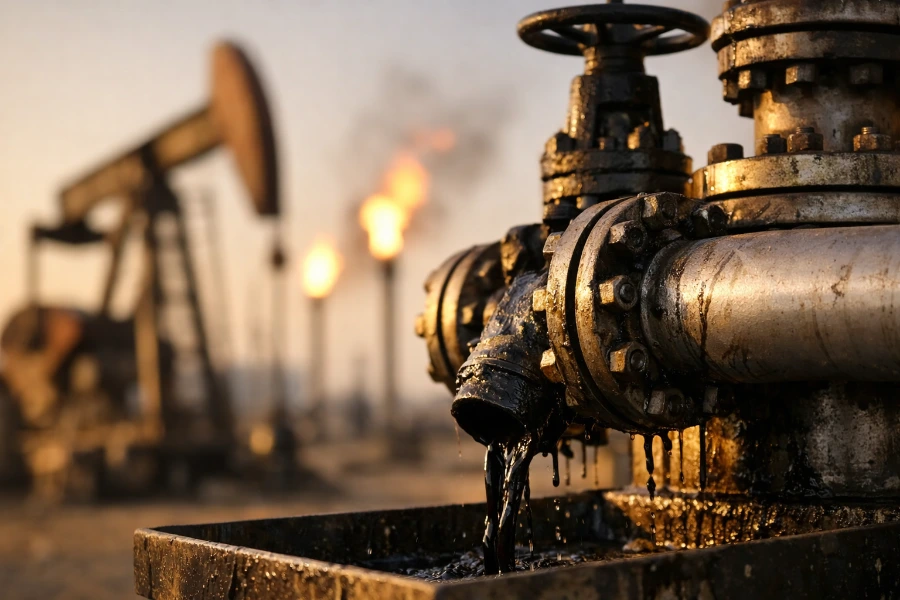
OPEC+ ministers meet Sunday to set 2027 oil output policy as Iraq pushes for a higher capacity estimate and the IEA projects a 3.8 million bpd glut.
- OPEC+ ministers meet online on Sunday, Nov. 29, to set 2027 production levels for the group.
- Iraq rejects a capacity assessment of about 4.9 million bpd and wants a higher baseline.
- The IEA projects a 2027 supply overhang of 3.8 million bpd, and Brent has fallen to about $90.
Lead
OPEC+ ministers hold their 42nd ministerial meeting on Sunday, Nov. 29, to decide how much crude the group will pump in 2027. The current group-wide production framework expires on Dec. 31. The talks open with Brent near $90 a barrel, down almost 20% from a settlement near $118 on Oct. 30, and with Iraq contesting the independent estimate of how much oil it can sustainably produce.What Is OPEC+ Deciding on Sunday?
OPEC+ is deciding the group-wide output levels that will apply from January 2027, and they will rest on an independent review of each member's maximum sustainable capacity. The review mechanism was agreed earlier this year. It links each producer's quota to what it can reliably deliver, not to historical baselines.
The group now has 21 members following the departure of the United Arab Emirates in May. Seven countries have kept additional voluntary cuts: Saudi Arabia, Russia, Iraq, Kuwait, Kazakhstan, Algeria and Oman. On Nov. 1 they held December output at September levels, the third consecutive monthly pause. The 1.65 million bpd voluntary cut introduced in 2023 has been fully unwound.
Why Is Iraq Disputing Its Capacity Estimate?
Iraq is disputing the estimate because capacity sets its quota, and a higher figure means more barrels it can sell. The OPEC+ review put Iraq's sustainable capacity at about 4.9 million bpd, close to the IEA's estimate of 4.87 million bpd. Iraq's quota under the current agreement is 4.431 million bpd.
Baghdad has publicly rejected the assessment. Its oil minister has cited capacity of 5.2 million bpd, and Iraqi positions have been reported as high as 6 million bpd. Iraq's budget depends heavily on crude exports, and it has argued that investment in fields and export infrastructure should be reflected in the baseline. Kazakhstan has also lobbied for a larger allocation ahead of the review.
How Big Is the Forecast Supply Glut?
Forecasters project a large surplus in 2027, with estimates ranging from about 2 million bpd to 3.8 million bpd. The IEA sits at the top of that range. The U.S. Energy Information Administration expects global inventories to build by about 3.5 million bpd in the first half of 2027, which would pull Brent below $90 in the second quarter and toward an average of $77 in the fourth quarter.
Bank forecasts are somewhat firmer. Goldman Sachs (GS) projects a 2027 Brent average of $88 and a year-end level near $78. Other forecasters sit in a similar $78 to $90 range. Rising non-OPEC supply adds to the pressure, with U.S. output projected at 14.3 million bpd in 2027.
Why Did the Crude Oil Price Fall Before the Meeting?
The crude oil price fell because Middle East exports recovered to roughly pre-war levels, which removed the supply-disruption premium built into prices in October. Brent's slide to about $90 reversed most of the October rally.
Attacks on Gulf shipping and energy infrastructure, including a claimed strike on the Ras Tanura terminal, have added volatility but have not reversed the downtrend. Brent has recovered from intraday dips near $91 on those headlines. Traders are treating Sunday's meeting as the next major driver, because the outcome will determine whether the group defends price or market share.
What Could OPEC+ Decide for 2027?
OPEC+ has three realistic paths, each with a different effect on prices.
- Rollover with modest adjustments. The group extends current levels and recalibrates quotas to the capacity review. Prices would see limited immediate impact, and the surplus forecasts would stay in place.
- Higher quotas for contested members. Granting Iraq and others a higher baseline would formally add barrels to a market already expected to be oversupplied. It would also test group cohesion, since a concession to Baghdad invites similar requests.
- Deeper restraint. Saudi Arabia and its closest partners could extend voluntary pauses or reintroduce cuts to cap inventory builds. That would support prices but cede market share to U.S. and other non-OPEC producers.
Most Gulf producers are currently pumping below their assigned targets, so a higher quota for one member would not automatically raise physical supply. The effect would depend on whether Iraq has the infrastructure to lift exports. The decision still matters for signaling, because it sets the baseline for later talks.
Geopolitical Dimension
The meeting comes as the group's internal balance shifts. The UAE's exit in May removed a member with sizeable spare capacity and a long-standing wish for a larger quota. That departure showed that capacity disputes can end in withdrawal, which raises the stakes of Iraq's push.
For importers, the near-term channel is price. A Brent range of $78 to $90 would ease fuel costs and inflation pressure in Europe and Asia. For producers dependent on oil revenue, lower prices tighten fiscal budgets, particularly in Iraq, where oil accounts for the bulk of government income.
Outlook
OPEC+ enters Sunday's meeting with a clear tension: members want higher quotas, while the market faces a projected surplus of 2 million to 3.8 million bpd in 2027. A rollover with a capacity-linked framework is the baseline path, and any concession to Iraq will be read as a bearish signal for prices. Brent's reaction on Monday's open will show whether traders judge the group's 2027 plan sufficient to absorb the projected glut.
Mentioned tickers: GS