Pomegra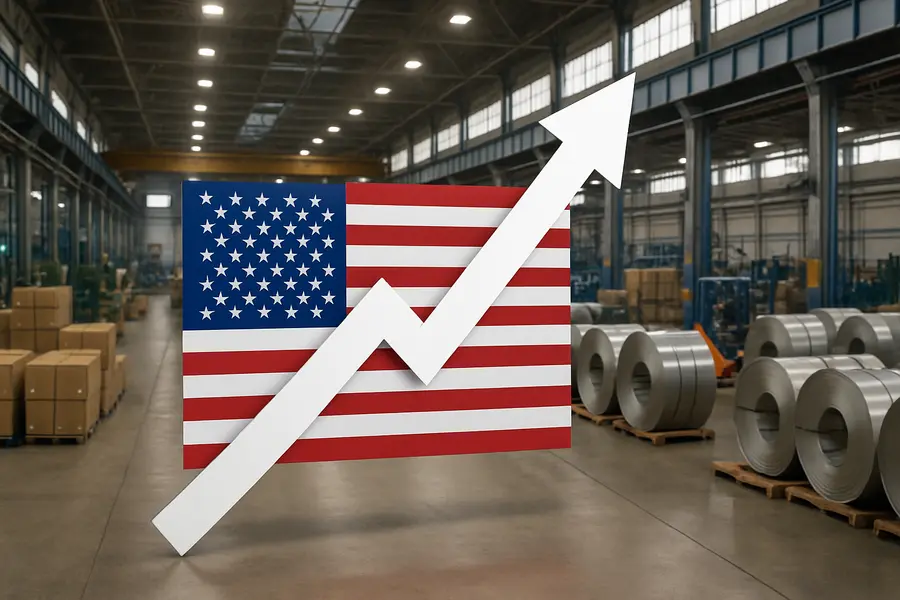
U.S. factory orders surged 4.8% in April, beating estimates and posting the sharpest monthly gain in 11 months as US industrial production and economic data signal durable industrial strength.
- Factory orders reached $662.7 billion in April, exceeding the consensus estimate of 4.6% and marking the largest gain since May 2025
- Transportation equipment surged 21.5% to $130.9 billion, supplying the bulk of the headline advance
- U.S. industrial production rose 0.7% in April, the biggest monthly increase in 14 months, nearly doubling forecasts
Lead
New orders for manufactured goods climbed 4.8% in April 2026 to $662.7 billion, the U.S. Census Bureau's full report released June 3 showed, outpacing the 4.6% consensus forecast and posting the strongest monthly gain since May 2025. The result extended a broad-based manufacturing rebound and reinforced signals that U.S. industrial production is tracking well above expectations heading into mid-year.
What Happened
April's advance followed a revised 1.8% rise in March, marking the fifth monthly gain in the past six months. Durable goods orders — products with an expected lifespan of three or more years — jumped 7.9% to $346.0 billion in the second consecutive monthly expansion.
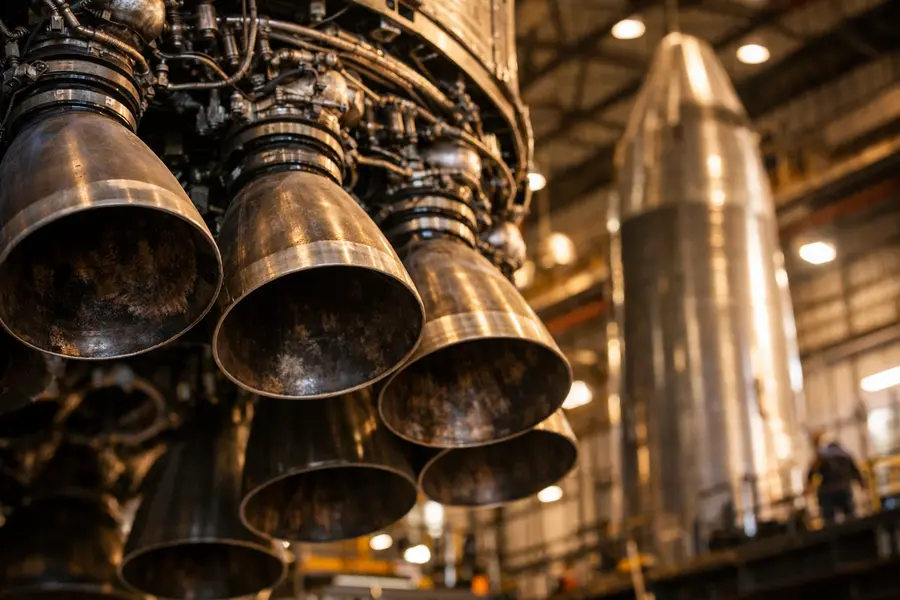
Transportation equipment provided the single largest contribution, surging 21.5% to $130.9 billion and accounting for the vast majority of the headline increase. Stripping out transportation, orders still advanced 1.1%, signaling demand breadth beyond aerospace and motor vehicles. Excluding defense contracts, new orders rose 8.1%, underscoring the strength of private-sector capital investment in the month.Shipments of manufactured goods climbed 1.0% to $641.0 billion. Unfilled orders — a forward indicator of production backlogs — rose 1.7% to $1.57 trillion, the 21st increase in 22 months. Inventories edged 0.3% higher to $959.1 billion, a seventh straight monthly gain, indicating steady restocking across the supply chain.
Industrial Production Data
Broader economic data confirmed the factory-order strength. The Federal Reserve's G.17 release showed industrial production rose 0.7% in April, the largest monthly gain in 14 months and nearly double the 0.3% consensus estimate. The March reading was revised to a 0.3% decline.
Manufacturing output — which accounts for approximately 78% of total industrial production — increased 0.6%, beating forecasts of 0.2%. Excluding motor vehicles and parts, manufacturing output advanced 0.3%. Utilities output jumped 1.9% while mining slipped 0.1%.Year-over-year, industrial production expanded 1.4% in April. Capacity utilization for manufacturing rose 0.4 percentage point to 75.8%, though the reading remains 2.4 percentage points below its long-run average dating to 1972, indicating the sector retains expansion capacity without inflationary pressure from the supply side.
Strategic Context
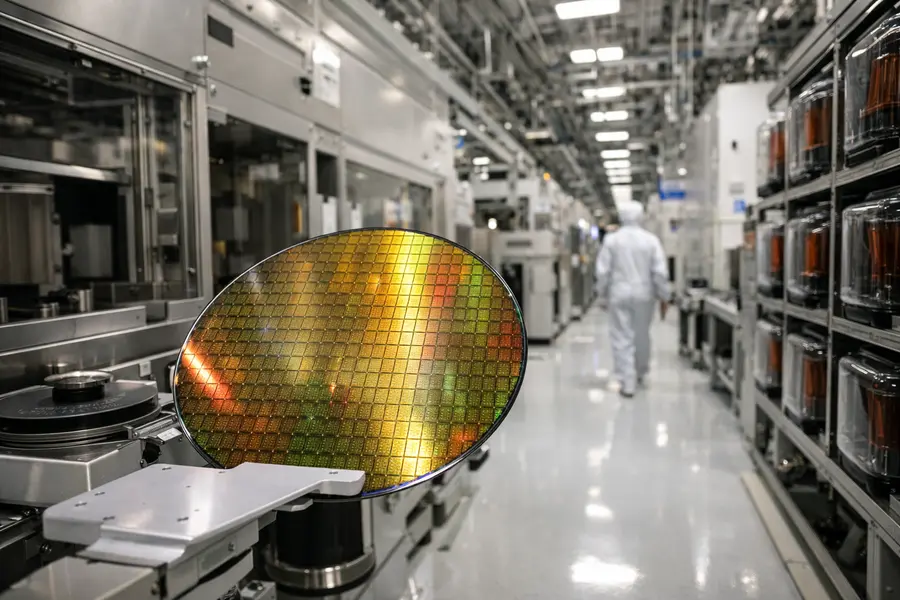
April's surge arrives against a backdrop of accelerating domestic investment in U.S. manufacturing following tariff-driven policy shifts. Transportation and defense-adjacent sectors have benefited from reshoring commitments and procurement cycles. Meanwhile, the buildout of AI infrastructure — requiring advanced semiconductors, data-center power systems, and precision electronics — is increasingly visible in orders for computer and electronic products, adding a structural driver to what has historically been a cyclical sector.
The manufacturing sector recorded its first positive quarter for job growth in three years during Q1 2026, and the ISM Manufacturing PMI registered a four-year high in the same period, contextualizing April's strong US factory orders as part of a sustained trend rather than a single-month bounce.
Unfilled orders topping $1.57 trillion provide a substantial pipeline of committed work, insulating production schedules from near-term demand softness. The 21-month run of backlog gains underlines the depth of the current expansion.
What Comes Next
The Census Bureau's next full report on manufacturers' shipments, inventories, and orders is due in July. Markets will monitor whether the transportation-driven April surge reflects durable demand — anchored by commercial aerospace deliveries and vehicle production cycles — or a front-loaded effect tied to shifting procurement timelines under the current tariff environment.
Capacity utilization's 2.4-percentage-point gap below long-run norms suggests factory output can expand further before generating meaningful inflationary pressure, a dynamic the Federal Reserve will weigh alongside labor and consumer-spending data in its mid-year assessment.
Outlook
April's 4.8% gain in U.S. factory orders marks the strongest monthly reading in nearly a year, converging aerospace cycle strength, AI-driven capital investment, and policy-led reshoring into a single data release. The Federal Reserve's industrial production print for the month reinforces the picture, with the headline index posting its best gain in over a year. With unfilled orders at record levels and inventories rebuilding steadily, U.S. manufacturing enters the second half of 2026 with considerable forward momentum. Sustaining that pace will depend on the trajectory of trade policy, private capital expenditure cycles, and the depth of demand for next-generation industrial and technology infrastructure.
Economics