Pomegra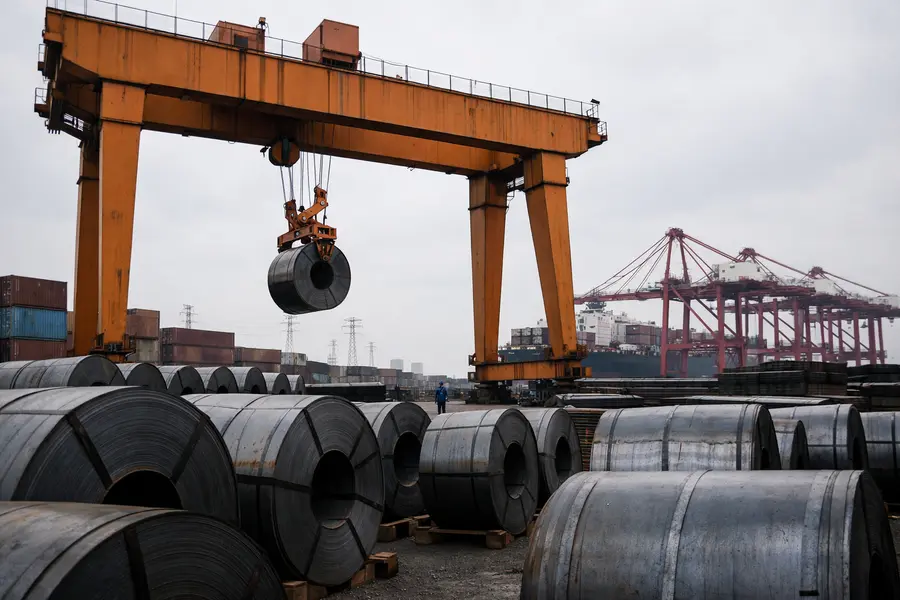
A new 7.5% overcapacity tariff on China before the September 24 Xi-Trump summit risks unraveling the May trade truce and pushing combined semiconductor duties to near 70%.
- Washington plans to impose a 7.5% overcapacity tariff on Chinese goods ahead of the confirmed September 24, 2026, Xi-Trump White House summit.
- The duty fills the remaining headroom under a 20% cap Washington committed to Beijing on July 27, stacking onto the 12.5% forced-labor replacement tariff that took effect July 24.
- The 22-sector probe covers semiconductors, steel, and solar, putting China-exposed industrials and technology names back under pressure just as markets had priced in a diplomatic thaw.
Lead
WASHINGTON - The Trump administration is preparing to publish findings from a sweeping Section 301 overcapacity investigation that would impose a 7.5 percentage-point tariff on Chinese imports before President Xi Jinping visits the White House on September 24, 2026. The levy is sized precisely to hit the 20% ceiling Washington committed to in a July 27 communication with China's Commerce Ministry, and it covers 22 sectors stretching from steel and solar modules to semiconductors and robotics. The proposed tariff stands to reopen fault lines in a bilateral trade relationship that markets had tentatively concluded was stabilizing after the May Geneva truce, threatening global supply chains in industries from chipmaking to clean energy.
What Is the Overcapacity Tariff and Why Is It Arriving Now?
The 7.5% duty derives from a Section 301 overcapacity investigation the Office of the United States Trade Representative launched on March 11, 2026, targeting alleged excess manufacturing capacity across 22 Chinese industries - aluminum, automobiles, batteries, cement, chemicals, electronics, energy goods, glass, machine tools, machinery, non-ferrous metals, paper, plastics, processed food and beverages, robotics, satellites, semiconductors, ships, solar modules, steel, and transportation equipment. The USTR concluded that China's state-subsidized production surpluses constitute an actionable burden on U.S. commerce. The timing carries strategic intent: publishing findings before the summit gives the administration fresh economic leverage while preserving diplomatic form, since the 7.5% rate is calibrated to stop at the 20% level Beijing has publicly said is consistent with the existing trade framework.
How Does the 7.5% Stack Against Existing Duties?
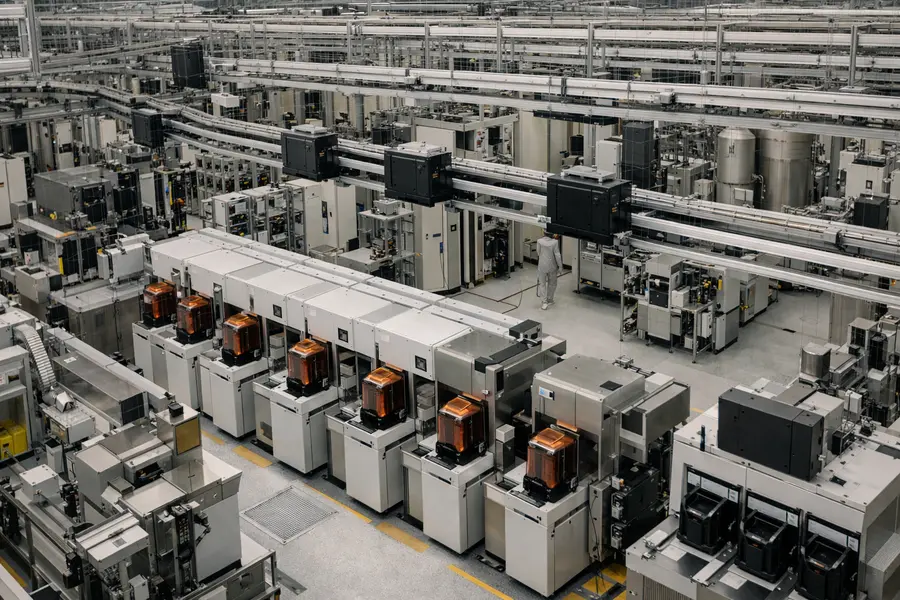
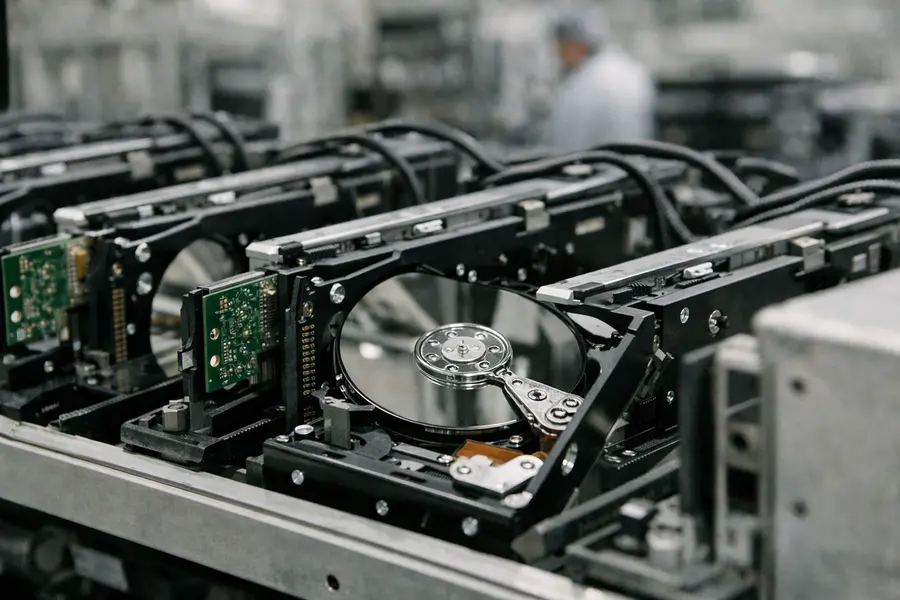
Layered onto the 12.5% Section 301 forced-labor replacement tariff that took effect July 24, the new overcapacity charge would push combined Section 301 exposure on Chinese semiconductors to approximately 70%, given the sector-specific 50% levy already in place. For solar, where the administration separately imposed a 15% tariff on polysilicon imports in early August, the combined burden is similarly stratified. Steel, already subject to Section 232 duties, absorbs the 7.5% overcapacity charge on top of a pre-existing tariff stack. Semiconductor-linked instruments including SMH and SOXL have registered renewed volatility as traders reprice supply chain risk. NVDA and Micron Technology (MU) are among the names institutional investors are monitoring most closely given their exposure to Taiwan Strait-adjacent manufacturing corridors.
What Did the May Trade Truce Actually Accomplish?
The Geneva accord of May 2026 delivered a dramatic short-term de-escalation. Washington dropped its 145% emergency tariff rate on Chinese imports to 30%, while Beijing reduced its retaliatory rate from 125% to 10% - a mutual rollback of 115 percentage points covering 90 days of reprieve. Equity markets rallied on the deal, shipping rates stabilized, and corporate procurement officers revised just-in-time inventory assumptions toward China-sourced components. The truce held through June and into July, but structural fractures appeared almost immediately: within a week of signing, Beijing accused Washington of violating the agreement after the Commerce Department issued guidance warning U.S. companies against using Huawei-produced microchips.
Which Sectors and Supply Chains Face the Greatest Exposure?
The proposed levy arrives at a moment when multinational manufacturers had begun rebuilding China-dependent procurement on the assumption the Geneva framework would hold through year-end. The 22-sector scope is unusually broad. Semiconductor assemblers and electronics manufacturers, already navigating CHIPS Act compliance and dual-use export controls, now face an additional cost layer with no clear sunset. Solar developers who had resumed sourcing Chinese wafers and cells after the May truce eased polysilicon prices confront renewed margin compression. Steel buyers in automotive and construction must model a tariff stack the administration has signaled will remain intact even if the summit produces a successor framework. First Solar (FSLR) had gained more than 6% in early August on polysilicon tariff news; the prospect of a broader trade flare-up introduces fresh uncertainty into capital allocation decisions across the domestic clean-energy supply chain.
Geopolitical Dimension
Washington is threading a narrow diplomatic needle. By targeting overcapacity specifically - rather than broader goods categories - and sizing the duty to the 20% level Beijing has publicly accepted, administration officials are signaling that the September 24 summit remains on track. Beijing has refrained from a formal public response to the August 24 reports. Historically, China has used pre-summit windows to hold retaliatory measures in reserve while pressing for concessions on technology export controls and market access. The 22-sector scope gives Beijing a long list of potential counter-targets should talks break down - a dynamic that raises binary event risk for China-exposed industrials and technology names in the weeks before the summit.
Outlook
The pivotal question is whether the USTR publishes overcapacity findings before or after September 24. Publication ahead of the meeting formalizes the tariff and locks in the 20% combined rate, removing negotiating ambiguity but raising the diplomatic stakes of the Xi-Trump agenda. A delay preserves flexibility while risking a signal of weakness entering negotiations. Either path leaves unresolved the structural breadth of the probe: no single summit communique is capable of addressing 22 sectors simultaneously. Markets that priced in a durable return to post-truce calm following May's Geneva deal may be underestimating the layered complexity of the U.S.-China commercial relationship as the fourth quarter of 2026 approaches.