Pomegra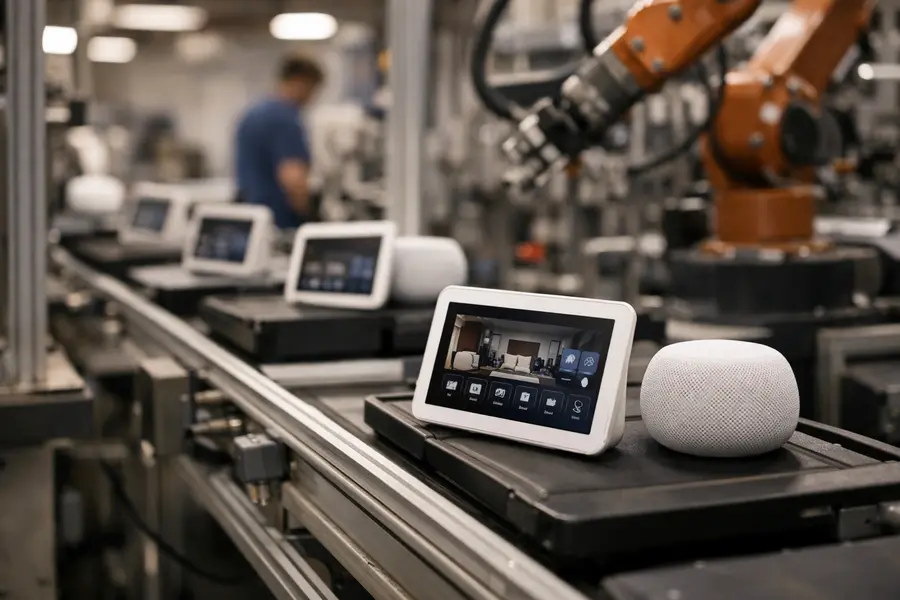
Apple stock reached a record high near $347 and a $5 trillion market cap after the $299 HomeView launch, a HomePod mini refresh and a JPMorgan target hike.
- Apple (AAPL) touched $347.78 intraday on Oct. 13, a record, lifting its market value to about $5 trillion.
- The $299 HomeView, a new HomePod mini and an Apple TV 4K were unveiled at the "Welcome Home" event.
- JPMorgan raised its Apple price target to $360 from $340 a day earlier and kept an Overweight rating.
Lead
Apple Inc. (NASDAQ: AAPL) shares hit an all-time high of $347.78 in early trading on Tuesday, Oct. 13. They later traded near $346, up about 1.5% by mid-morning in New York. The move restored the company's $5 trillion market capitalization, making it the second company to reach that level. It came as Apple unveiled its first smart home display at its "Welcome Home" event. The stock is up roughly 24% year to date and nearly 60% over twelve months.What Did Apple Announce at the Welcome Home Event?
Apple introduced the HomeView, a $299 smart display with a 7-inch square screen, a speaker base and a camera that can recognize up to six household members. Preorders opened Oct. 13, and shipments begin Nov. 13.
The company also released a refreshed HomePod mini and a new Apple TV 4K. Together the three products form a coordinated push into the connected-home category, where Apple has lagged Amazon and Google in smart displays and voice assistants. The display extends the company's services and hardware ecosystem into the kitchen and living room, areas where it has had little presence.
Why Did Apple Shares Rise to a Record?
Apple shares rose because the product launch coincided with a more constructive Wall Street view of the iPhone cycle. The home lineup gives investors a new hardware category after several years in which iPhone sales drove most growth.
On Oct. 12, JPMorgan raised its price target to $360 from $340 and maintained an Overweight rating. The bank also trimmed its December-quarter forecast. It now expects earnings per share of $2.81, about 4% below the consensus figure of $2.92. It attributed the shortfall to the 2026 iPhone launch being split in two, with some buyers of the base model waiting for an early-2027 release. It treated reports of supplier volume cuts as a reflection of that new launch cadence rather than weaker demand.
Strategic Context
The $5 trillion mark arrived less than a year after Apple first crossed $4 trillion in October 2025. That pace shows how heavily the stock has benefited from iPhone upgrade demand and from investor appetite for large-cap technology.
The HomeView is priced at $299, a premium to most rival smart displays. That signals a bet that Apple's integration across iPhone, Apple TV and HomePod products can support higher pricing. Its contribution to revenue will not be visible until the holiday quarter at the earliest, since shipments start in mid-November.
How to Buy Apple Stock
What Comes Next for Apple Shares?
The next test is the company's fiscal fourth-quarter earnings report, due in late October or early November. Investors will focus on iPhone shipments and on whether the split launch schedule weighs on the December-quarter outlook. HomeView preorder demand and delivery timing will also draw attention, as will any comment on gross margin for the new home products.
Outlook
Apple has reached a $5 trillion valuation on a mix of strong iPhone momentum, a broader product pipeline and higher analyst targets. The smart home push is a strategic extension rather than a near-term earnings driver. Share performance through year-end will depend on holiday-quarter guidance and on whether the shift in iPhone launch timing proves to be a short-term timing effect.
Mentioned tickers: AAPL, JPM