Pomegra
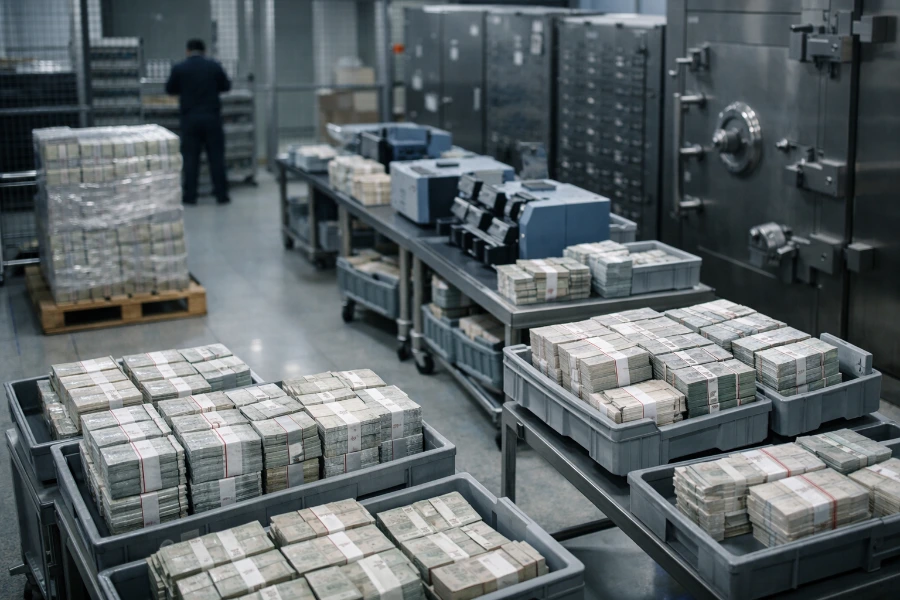
Turkey's central bank suspended one-week repo auctions and lifted lira reserve pay to 90%, tightening liquidity to defend the lira with its 36% rate unchanged.
- The central bank halted one-week repo auctions and raised reserve remuneration on lira deposits to 90% from 86%.
- The 36% policy rate is unchanged, but banks now fund at a 39% upper corridor rate.
- Net reserves fell $17.1 billion in a week to $24.19 billion, and the lira hit a record low near 50.79 per dollar.
Lead
The Central Bank of the Republic of Türkiye tightened financial conditions on Thursday, November 26, without changing headline interest rates. It suspended its one-week repo auctions, the channel that normally supplies banks with liquidity at the 36% policy rate. It also raised the remuneration paid on required reserves held against lira deposits to 90% of its weighted average funding cost, from 86%. The central bank said the steps support macrofinancial stability and the transmission of monetary policy. No end date was given for the suspension.
What Did the Central Bank Change?
The central bank changed two liquidity levers and left the benchmark rate alone. With one-week repo auctions suspended, banks that need funding must borrow at the upper end of the interest-rate corridor, currently 39%, or through other costlier channels. The overnight reference rate, TLREF, rose to 37.87% on Thursday from 35.95% the previous session. That put effective funding costs well above the 36% policy rate.
The higher reserve remuneration pushes in the same direction. A bank that holds more lira deposits earns more on the reserves it must park at the central bank, which strengthens the incentive to attract and keep lira savings over foreign currency.
Why Did Turkey Tighten Now?
Turkey tightened because foreign-exchange reserves fell sharply and the lira weakened to record lows. Data released Thursday showed net international reserves dropped $17.1 billion to $24.19 billion in the week ending November 20, the second-largest weekly decline on record. Net reserves excluding currency swaps fell to about $11.6 billion. Gross reserves declined to $142 billion, the lowest since May 2025 and about 35% below the January 30 record of $218.2 billion.
The drain follows a fund crisis that began in mid-September. On September 17, the Capital Markets Board ordered the liquidation of 131 funds holding about $18.3 billion for more than 455,000 retail investors. The episode triggered stock market losses and demand for foreign currency and safer assets. The central bank also opened a $3 billion swap window to supply dollars.
How Did Markets React?
Turkish markets stayed under pressure on Friday. The lira traded at 50.7875 per dollar, a record low and about 2% weaker over the past month. The main banking index fell 5.2%, as higher funding costs weigh on lenders' margins. Bloomberg reported early signs of calming in markets after the measures, though the currency remained weaker.
What Is the Policy Backdrop?
The move cuts against the recent direction of policy. The central bank lowered its one-week repo rate by 100 basis points to 36% on October 22, from 37%. Its next scheduled decision is December 10.
Governor Fatih Karahan has said the bank could use its policy rate alongside macroprudential and liquidity measures if lira demand needs support. Finance Minister Mehmet Simsek signaled alignment, noting that lira deposits make up 61.8% of total deposits. He said the government is ready to cut withholding taxes if needed to keep lira savings attractive.
Ankara has used the same tool before. The central bank suspended repo auctions in 2019, a step widely described as tightening by the back door. It raises funding costs and signals resolve while avoiding a formal rate increase.
Outlook
The central bank has tightened liquidity and signaled readiness to do more, while keeping its 36% rate in place. The next test is whether reserve losses slow and the lira stabilizes before the December 10 meeting. A resumption of reserve declines would raise the odds that the central bank returns to rate policy, or that the government adds tax incentives for lira deposits.