Pomegra
Trump floated 200% tariffs on Russia and Ukraine, then conceded US trade is too small to work, a week after waiving penalties on major Russian oil buyers.
- Trump said at an Oct. 23 rally that 200% tariffs on both countries would not work because the US does not buy enough from them.
- An Oct. 16 order waived mandatory tariffs of up to 100% on major buyers of Russian crude and gas, including India and China.
- Brent fell about 1.9% to near $108 a barrel on Oct. 19 after the waiver, but the Strait of Hormuz disruption still dominates pricing.
Lead
President Donald Trump said on Oct. 23 that the United States could threaten both Russia and Ukraine with 200% tariffs to force a peace settlement, then acknowledged the tool has no leverage here. Speaking at a campaign rally at Florida Gulf Coast University in Fort Myers, he said: "We should probably immediately do it with Ukraine and Russia. Never thought of it. But we don't buy enough to do it to them, so it doesn't work."
The comments came seven days after he signed an executive order suspending the tariffs and sanctions mandated by the Lindsey O. Graham Sanctioning Russia and Iran Act of 2026. Taken together, the two moves show a White House that is reluctant to apply the economic pressure Congress wrote into law, even as the war enters another winter.
What Did Trump Say About 200% Tariffs on Russia and Ukraine?
Trump said tariffs had helped end five wars and described a past episode in which the threat of a 200% duty made two combatants stop fighting. "We ended five wars thanks to tariffs," he told the crowd, adding that he had said: "If you continue to fight, we're putting a 200 percent tariff on you."
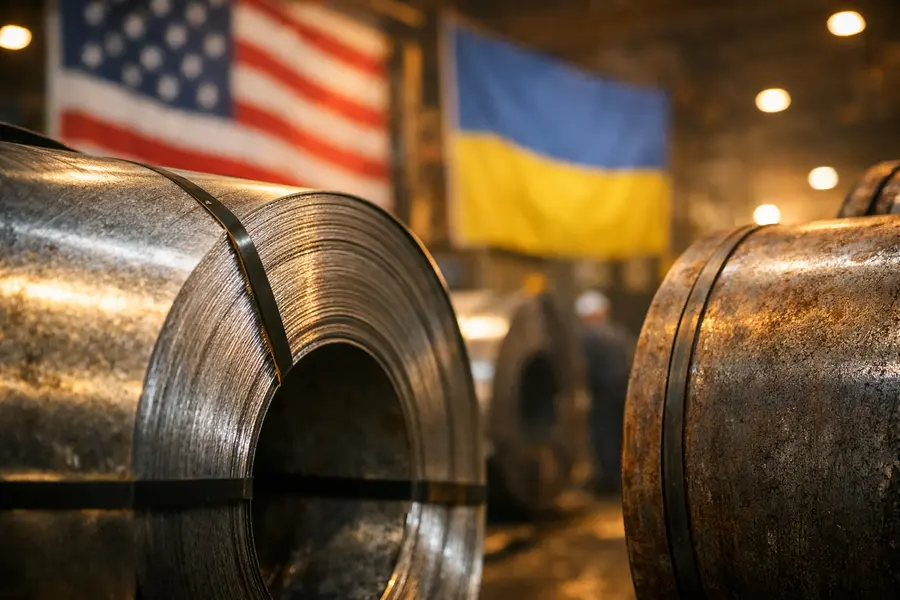
He then applied the template to Moscow and Kyiv and dismissed it in the same breath. The arithmetic supports him. US goods imports from Russia were about $3.8 billion in 2025, according to the US Trade Representative, led by fertilizers, inorganic chemicals and precious metals. Imports from Ukraine were roughly $1.5 billion, mostly iron and steel. A tariff on trade of that scale would cost neither government meaningful revenue, and Russia's energy exports flow overwhelmingly to other buyers.
What Did the Oct. 16 Waiver Change?
The order suspended key provisions of the Graham Act, signed on Sept. 18, which would have allowed tariffs of up to 100% on imports from major purchasers of Russian crude oil and natural gas. The penalties were due to take effect around Oct. 18. The waiver is open-ended, citing the "national interests of the United States," and can be reversed by the president or senior officials.
The relief is not limited to India, long the main target of US pressure over discounted Russian barrels. It also covers China and other large buyers. The US Trade Representative will keep monitoring Russian energy purchases and report to the president. Secretary of State Marco Rubio said the administration would take up to 60 days to assess the economic effects and argued that immediate enforcement would complicate efforts to broker an armistice. The order was paired with an arrangement to bring Russian diesel to the US.
How Did the Crude Oil Price React?
Brent crude fell about 1.7% to 1.9% on Monday, Oct. 19, to near $108 a barrel, after settling at $109.86 on Friday. Friday's session had briefly touched $110, the highest since May, following a week of attacks on tankers in the Strait of Hormuz. WTI slipped about 1% to roughly $100.4.
The decline reflects expectations that more Russian fuel will reach global markets without penalty. The crude oil price is still up roughly 76% in 2026, however, and the supply risk in the Gulf outweighs the effect of the waiver. Sanctions on Rosneft (MOEX: ROSN) and Lukoil (MOEX: LKOH) have already pushed the discount on Russia's flagship Urals grade to Brent to about $20 a barrel, the widest this year. That shows how far existing measures reroute Russian oil without cutting its volume.
Why Is Washington Easing Pressure on Russian Energy?
The administration is weighing fuel prices against diplomatic leverage. With Brent above $100 and Hormuz traffic disrupted, tariffs that removed Indian or Chinese demand for Russian barrels would have tightened an already stretched market and raised US pump prices before the midterm elections.
Ukrainian President Volodymyr Zelensky has contested the premise. He said Trump already holds enough authority under sanctions legislation awaiting presidential action to pressure Vladimir Putin, and that US domestic fuel prices do not depend on Russian export volumes. He has also signaled willingness to freeze front lines without territorial concessions, a position that leaves the next move with Moscow and Washington.
What Comes Next for Russia Sanctions and Oil Markets?
The next decision point is the end of the 60-day review, which falls in mid-December. Three scenarios frame the near term:
- Waiver extended: Russian volumes keep moving to India and China at wide discounts, and the Hormuz situation continues to set the price.
- Penalties reinstated: Tariffs of up to 100% on major buyers would hit refiners in India first, adding upward pressure to diesel and crude prices.
- Peace framework emerges: Talks on a ceasefire would test whether Washington prefers sanctions relief as an incentive over tariffs as a threat.
The tariff comment itself carries little operational weight. It signals that the administration sees limited use for trade penalties against the two belligerents and that the remaining leverage is in energy, where the White House has chosen restraint for now.
Outlook
Trump's 200% tariff idea was dismissed by its author within seconds, and the waiver of Graham Act penalties leaves Russian oil flows largely intact. Oil markets are trading the Gulf supply shock first and Russian policy second, with Brent holding near $108. The 60-day review will determine whether the waiver becomes a durable feature of US policy or a temporary pause while talks continue.
Mentioned tickers: ROSN, LKOH