Pomegra
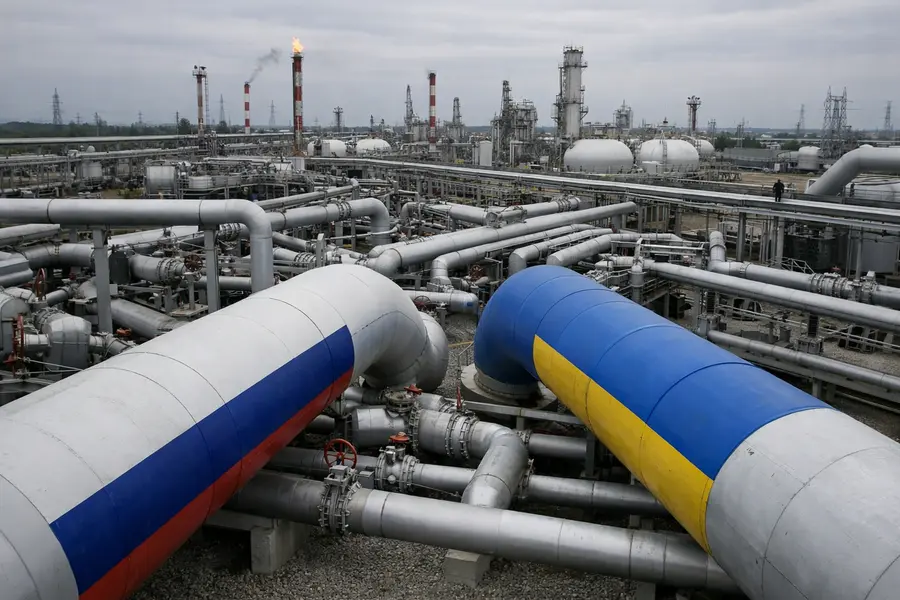
Trump waived the Graham Act sanctions and tariffs on Russia two days before launch, lifting the MOEX Russia Index and pressing Kyiv toward a quick peace deal.
- Trump waived sweeping Russia sanctions and tariffs on Oct. 16, two days before they were due to take effect.
- The MOEX Russia Index closed up 1.54% at 2,469.54 on Oct. 20, its highest level since June 17.
- Brent crude fell about 2% to near $107.6 on Oct. 19 after settling at $109.86 on Friday.
Lead
President Donald Trump signed an executive order on Friday, Oct. 16, waiving new sanctions and tariffs on Russia required under the Lindsey O. Graham Sanctioning Russia and Iran Act of 2026. The measures were due to take effect on Sunday. Volodymyr Zelenskyy called the decision a "financial reward for Putin" and warned it would encourage further Russian attacks. The waiver is the second sanctions concession in as many weeks, following a diesel import arrangement with Moscow. Trump is also pressing Ukraine to reach a settlement quickly.
What Did Trump Waive and Why?
Trump waived the core penalties of a law he signed in September, which was named for the late Republican Senator Lindsey Graham, who died on July 11. The statute gave the president authority to impose tariffs of up to 100% on imports from the five largest buyers of Russian oil and gas. It also provided for sanctions on senior Russian figures, including Vladimir Putin, on Russian financial institutions and on the "shadow fleet" of vessels used to move oil around existing embargoes.
Trump said he is negotiating an end to the war and does not want to "foolishly" drive Russia away from the bargaining table. The order cites national interests. The earlier diesel deal came as Washington sought relief from high fuel prices, and Trump has blamed Ukrainian strikes on Russian energy facilities for pushing those prices higher.
How Did Markets React to the Sanctions Waiver?
Oil fell and Russian equities rose. Brent crude settled at $109.86 on Friday, up 3.7% on the day and near a five-month high. It dropped roughly 2% on Monday to about $107.6. West Texas Intermediate slipped to about $99.5. The decline reflected expectations of additional Russian fuel reaching global markets, although tension around the Strait of Hormuz continues to limit the pullback.
The MOEX Russia Index gained 1.54% on Oct. 20 to close at 2,469.54, the highest level since June 17. The dollar-denominated RTS Index rose about 1.5% to 938.99. The ruble strengthened against the dollar and the yuan. Investors in Moscow read the waiver as removing the most immediate threat of secondary tariffs on buyers in India, China and Turkey, which underpin Russian export revenue.
What Does Trump Want From Ukraine?
Trump wants Kyiv to accept a settlement quickly and has said he does not care how it is reached. He has said Zelenskyy "has to want to settle this war" and that failing to do so would be "a very bad thing." The message follows weeks of friction between the two leaders. Washington's position now pairs sanctions restraint toward Moscow with pressure on Kyiv, which reverses the leverage Congress sought to give the White House.
Zelenskyy has argued that economic pressure is the only force that has moved the Kremlin. He said he expects further relief, writing that "sanctions relief will continue" and that the diesel deal and the Graham Act waiver "are not the end of it."
Why Did the Waiver Draw Bipartisan Criticism?
Leading Republicans and Democrats condemned the waiver within hours, calling it "irresponsible" and "a deal with the devil." The statute passed Congress with the intent of constraining executive discretion over Russia policy. The waiver relies on the national-interest authority built into the law, and it limits what lawmakers can do beyond statements and hearings. Congress could pursue new legislation or a resolution of disapproval, though either would need veto-proof margins.
Geopolitical Dimension
The decision links three channels: energy supply, Russian state revenue and the shape of any ceasefire. Russia's oil and gas exports finance a large share of its federal budget, so secondary tariffs on its top buyers would have cut directly into that income. Removing the threat also reduces the risk of retaliation by the largest buyers against US trade. For Europe, the move undercuts the coordinated sanctions approach it has maintained since 2022 and raises the cost of its own measures, including restrictions on the shadow fleet.
Outlook
The next three to twelve months will turn on whether Moscow offers terms that Kyiv can accept, and whether Trump's pressure on Ukraine produces a settlement or a deeper rift with European allies. A further round of sanctions relief would strengthen the Russian equity rally and add supply to oil markets already watching Hormuz. A collapse in talks could prompt Congress to force action, but not before the waiver's effects have fed through to Russian export revenue and global fuel prices.
Mentioned tickers: none