Pomegra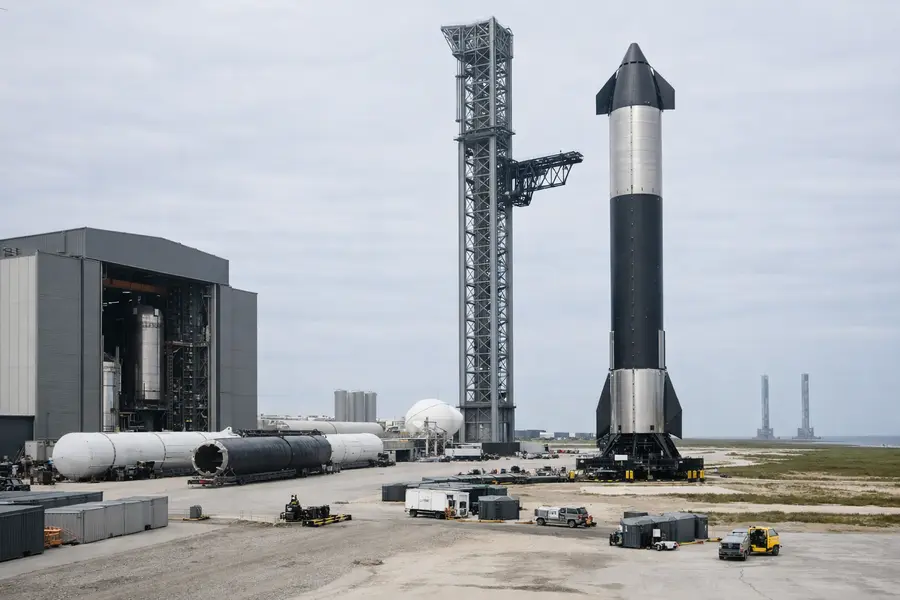
SpaceX shares rose on September 29 after TD Cowen began coverage at Buy with a $200 target, citing AI compute leasing as the company's next major revenue driver.
- SpaceX (SPCX) rose as much as 2.6% to $149.24 on Tuesday from a $145.47 close.
- TD Cowen forecasts AI compute leasing at $66 billion, or 58% of 2027 revenue.
- The shares trade above the $135 IPO price set on June 12.
Lead
SpaceX (NASDAQ: SPCX) climbed on Tuesday, September 29, after TD Cowen initiated coverage with a Buy rating and a $200 price target. The shares traded near $149 in the afternoon session, up from Monday's close of $145.47. The move extended momentum from Monday's Starship orbital flight. The target implies roughly 35% upside from the trading level.What Did TD Cowen Say About SpaceX?
TD Cowen said terrestrial AI compute leasing will become SpaceX's largest and fastest-growing business. The firm projects the segment at $14.4 billion in 2026, about 35% of revenue, rising to $66 billion in 2027, or 58% of sales. It expects compute to become the majority of revenue by the first quarter of 2027.
SpaceX currently serves four compute clients: Anthropic, Google, Reflection AI and a fourth customer due to begin service in December at a contract value of $1.1 billion per month. The bank models terrestrial capacity growing from 2.1 gigawatts at the end of 2026 to 6 gigawatts in 2027, within management's 5-10 gigawatt target range.
Why Does Starlink Still Matter to the Valuation?
Starlink remains the core consumer franchise and the anchor of the long-term growth case. TD Cowen forecasts 107 million broadband subscribers by 2031, generating $84 billion in revenue, including about 10 million U.S. subscribers. Its model covers 90 countries.Overall, the firm projects revenue growth of 62% a year through 2031 and EBITDA of $297 billion by that year. SpaceX generated about $23 billion in revenue over the last twelve months, and forecasts call for 144% growth in fiscal 2026.
How Has SPCX Traded Since the IPO?
SPCX has been volatile since its June 12 debut. The company sold 555.6 million Class A shares at $135, raising $75 billion at a valuation of about $1.77 trillion. The stock closed its first session at $161, up 19%.
The shares later fell roughly 50% from their post-IPO peak by late July. They closed back above the IPO price on August 10 for the first time since the debut. The float is small, at about 5% of shares outstanding. Retail investors received 30% of the offering.
The coverage initiation adds to a growing analyst roster. Across 44 analysts, the average twelve-month target is $219.24, above TD Cowen's $200.
How to Buy SpaceX Stock
What Are the Risks Ahead?
Supply and valuation pressures remain. Lockup expirations for pre-IPO investors are staggered over 180 days from the listing, while insiders led by Elon Musk are locked up for 366 days. Those releases will expand the tradable float from its current narrow base.
Execution on compute capacity also carries weight. Delivering 6 gigawatts in 2027 requires construction and power sourcing at a scale few operators have attempted. Some valuation models still rate the shares as trading above fair value despite the bullish initiation.
Outlook
The initiation reinforces a shift in how the market frames SpaceX, from a launch and satellite-broadband company to an AI infrastructure provider. Near-term direction depends on Starship cadence, the December start of the fourth compute contract and the timing of lockup releases. Coverage from further banks is likely to keep attention on the compute revenue forecasts.
Mentioned tickers: SPCX, GOOG