Pomegra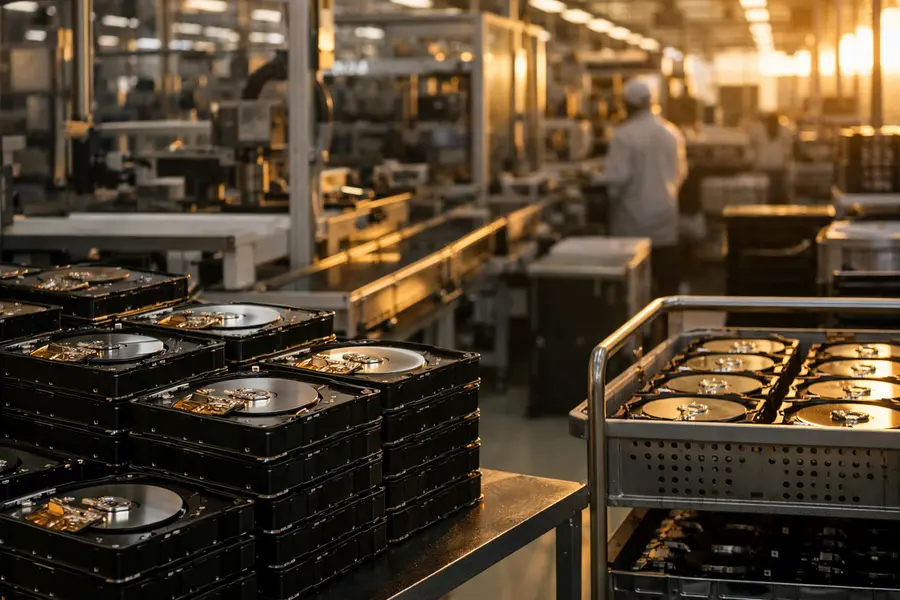
Seagate fell 9% and Western Digital 7% after Toshiba said it would double hard-disk output, challenging the supply scarcity behind this year's AI storage rally.
- Seagate (STX) closed down 9.18% at $805.63 and Western Digital (WDC) fell 6.93% to $411.04 on Friday, October 2.
- Toshiba plans about ¥60 billion ($400 million) of investment to double hard-disk capacity by fiscal 2027, aiming at AI data centers.
- Both stocks had gained roughly 210% and 150% this year on tight supply and pricing leverage.
Lead
Seagate Technology (STX) and Western Digital (WDC), two of the strongest ai stocks of 2026, extended a sharp pullback after Toshiba said it would double its hard-disk drive output. Seagate closed Friday down 9.18% at $805.63 after falling as much as 10% intraday. Western Digital ended down 6.93% at $411.04. The selloff came on a day the Nasdaq-100 tracker Invesco QQQ (QQQ) rose 1.17% to $750.73, which isolated the move to storage names. Both shares slipped again in early trading on Tuesday, October 6, with Seagate down about 5% and Western Digital about 4%.What Did Toshiba Announce?
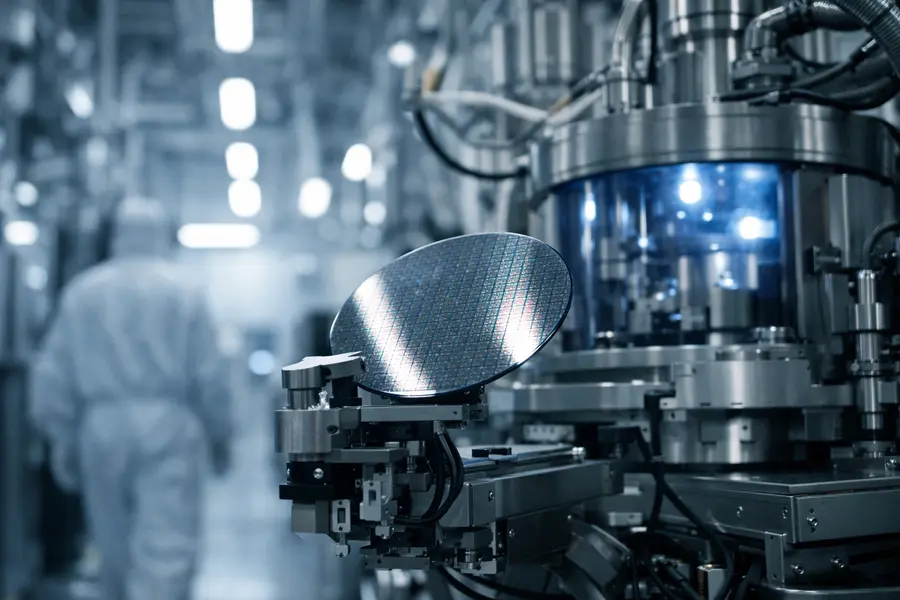
Toshiba plans to invest roughly ¥60 billion to double its hard-disk production capacity by fiscal 2027, with the expansion centered on its factory in the Philippines. The target is storage demand from AI data centers, where large volumes of training data, video and model outputs are kept on low-cost, high-capacity drives.
Toshiba is the smallest of the three major hard-disk makers. It holds just over 10% of the market by capacity and has set a medium-term goal of a 30% share. Seagate and Western Digital have long dominated the segment, so a rival adding capacity at that scale changes the competitive arithmetic for both.
Why Did Seagate and Western Digital Shares Fall?
The shares fell because Toshiba's plan attacks the premise behind their rally: that supply stays constrained and prices stay firm. Over the past year, AI-driven demand outran the industry's ability to ship drives, and buyers had few alternatives. That gave the leading makers room to raise prices without adding much capacity.
Management commentary has reinforced that stance. Western Digital's chief executive has described the tight supply environment as an opportunity for increased pricing leverage. Seagate's chief executive has said total unit volumes are not really increasing. Seagate's nearline capacity, the high-capacity drives sold to data centers, was nearly fully allocated through calendar 2027, as stated in April.
The scale of the prior gains magnified the reaction. Seagate had risen about 210% this year and Western Digital about 150%, so valuations already priced in sustained scarcity. A credible supply increase, even from the smallest producer, raised the prospect of narrower margins and slower price gains.
How Tight Is the Hard-Disk Market?
The market remains tight, but the direction of travel is now contested. Western Digital guided fiscal 2027 first-quarter revenue to $4.1 billion, plus or minus $100 million, a figure that rests on firm pricing and full order books. Hard-disk plants take time to build and qualify with hyperscale customers, so Toshiba's added capacity would arrive gradually through fiscal 2027 rather than all at once.
That timing is the core of the consensus rebuttal. Several brokerages have called the selloff overdone, arguing that the AI storage shortage is not closing soon and that demand growth can absorb new supply. Toshiba's current share also leaves it far from a position to set prices. The counterargument is that expectations, not near-term deliveries, drive these valuations, and expectations of scarcity have now been dented.
Strategic Context
Hard drives remain the lowest-cost medium for bulk data storage, which is why AI infrastructure spending has lifted them alongside memory chips and networking gear. Flash storage costs more per terabyte, so data centers keep cold and warm data on disk. That cost gap sustains demand, but it also makes the segment attractive to any manufacturer with spare capital and factory space.
The industry has historically cycled between shortage and oversupply. In shortages, discipline on capital spending has kept pricing high. Toshiba's decision to expand is a test of whether that discipline holds once a third supplier chases share, and whether Seagate and Western Digital respond with capacity of their own.
What Comes Next for AI Storage Stocks?
The next test is how Seagate and Western Digital describe pricing and capacity in their upcoming quarterly reports. Any change in language on unit growth, long-term customer agreements or capital spending would show whether Toshiba's plan alters their behavior. Evidence that customer allocations through 2027 remain intact would support the scarcity thesis. Signs of price concessions would confirm the market's concern.
Volatility is likely to persist. Both stocks remain far above their levels at the start of the year, which leaves them sensitive to any shift in supply expectations. Toshiba's capacity will also take more than a year to reach the market, so the near-term dynamic is likely to be driven by sentiment and incremental company commentary rather than by shipment data.
Outlook
Toshiba's plan to double hard-disk output has shifted the debate over AI storage from scarcity to supply response. Seagate and Western Digital remain well ahead of Toshiba in share and customer relationships, and their nearline capacity is largely committed through 2027. The question for the rest of the year is whether additional supply arrives fast enough to erode the pricing power that drove this year's gains.