Pomegra
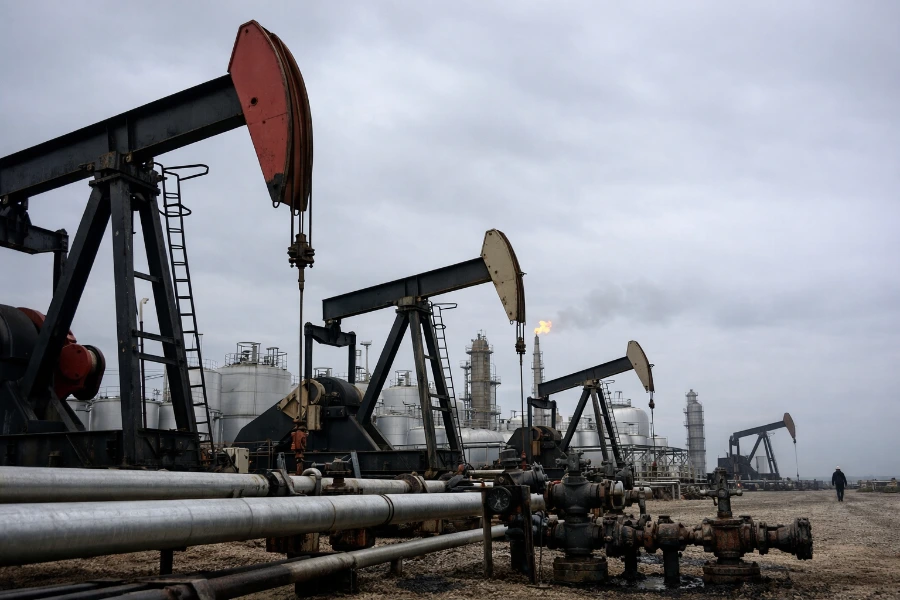
OPEC+ kept oil output targets unchanged through the first quarter of 2027 and delayed the 2027 quota decision to June as the Iran war and capacity rows persist.
- OPEC+ left output targets unchanged for Q1 2027 at its Sunday, November 29 ministerial meeting.
- The 2027 quota decision moves to June, after a members' capacity audit extended to the end of March.
- Brent settled at $95.44 a barrel on Friday, up 3.1% on the week, ahead of the meeting.
Lead
OPEC+ held its production targets steady through March 2027 on Sunday and put off the harder question of how much each member may pump in 2027 until its June ministerial meeting. The decision follows a stalled audit of members' maximum sustainable production capacity, the baseline meant to anchor next year's quotas. The Iran war, now in its tenth month, has made any forward volume planning difficult.What Did OPEC+ Decide?
OPEC+ rolled over current targets for the first quarter of 2027 and moved the 2027 quota decision to June. The group extended the capacity audit to the end of March, and its findings will be discussed at the June ministerial meeting.
The rollover keeps policy predictable at a time when supply conditions are not. Producers avoid committing to volumes before they know how much Gulf export capacity the war will leave intact. It also avoids a public fight over baselines at the end of a year in which Brent has swung widely.
Why Is the Capacity Audit Holding Up 2027 Quotas?
The audit stalled because Iraq and Kazakhstan argue their assessed capacity is too low. Under OPEC+ practice, a higher capacity rating can translate into a larger quota later, so the number carries direct revenue consequences.
Iraq has pressed hardest, rejecting its assigned figure. Kazakhstan, which has repeatedly produced above its target, wants a higher estimate to give its output a firmer footing. Other members have asked for further consultations on their own assessments. Saudi Arabia and Russia, which carry the largest weight in the group, have an interest in a baseline that does not reward overproduction. Extending the audit gives all sides a face-saving route to continue talking without a formal vote.
How Is the Iran War Shaping Oil Supply?
The Iran war, which began on February 28, has disrupted Gulf supply routes and left producers uncertain about the duration and scale of export losses. The Strait of Hormuz carries roughly 20% of the world's crude and liquefied natural gas, so any interruption there reaches global prices quickly.
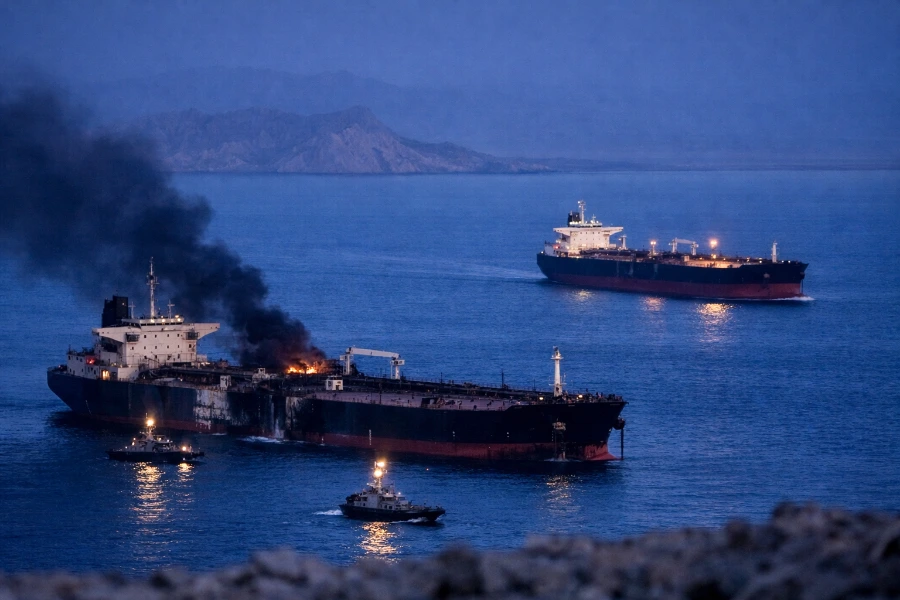
Recent incidents illustrate the risk. A strike hit Saudi Arabia's Jazan refinery this month and killed one worker, and tankers have been attacked near Hormuz. Shipping and insurance costs have reached levels that, by some estimates, exceed one third of cargo value.
Yet physical flows have been recovering. The International Energy Agency reported that global supply exceeded demand in October for the first time since the conflict began, as Gulf exports recovered faster than consumption grew. That points to a surplus market just as OPEC+ declines to change course.
How Did Oil Prices React?
Brent crude settled at $95.44 a barrel on Friday, November 27, down $1.13, or 1.2%, on the day. It still gained 3.1% over the week, its first weekly rise of November after three straight declines. West Texas Intermediate settled at $83.08, down 60 cents on the day and 0.4% on the week.
The roughly $12 gap between the two benchmarks reflects how much of the war premium is concentrated in seaborne Middle Eastern supply. Traders weighed attacks on energy infrastructure against the recovery in Gulf shipments. A decision to hold output removes the risk of a surprise supply increase or cut, so the meeting itself is unlikely to be the main driver of the crude oil price in the near term. War headlines and the pace of Gulf exports will matter more.
What Comes Next for the Group and the Market?
The next checkpoints are the end of the capacity audit in March and the June ministerial meeting, where 2027 quotas will be set. Three variables will shape that outcome:
- Audit results: If Iraq and Kazakhstan secure higher ratings, other members may demand adjustments, and the baseline dispute could widen.
- War trajectory: A durable de-escalation would return more Gulf barrels to the market and sharpen the surplus the IEA has begun to flag.
- Price level: With Brent near $95, members have little fiscal pressure to cut, but a drop toward the $88.75 average that some bank forecasts project for 2027 would test the group's cohesion.
Iraq's earlier threats to leave the organization over its capacity figure remain a latent risk. A formal rupture would be unlikely before June, but the dispute shows how quota baselines have become the main source of friction inside the alliance.
Outlook
OPEC+ has chosen delay over division. Targets are fixed through March, and the decision that matters most, how 2027 volumes are shared, now waits on an audit and a June meeting. Until then, oil prices will respond mainly to Gulf security events and to evidence that supply is outrunning demand.
Mentioned tickers: None