Pomegra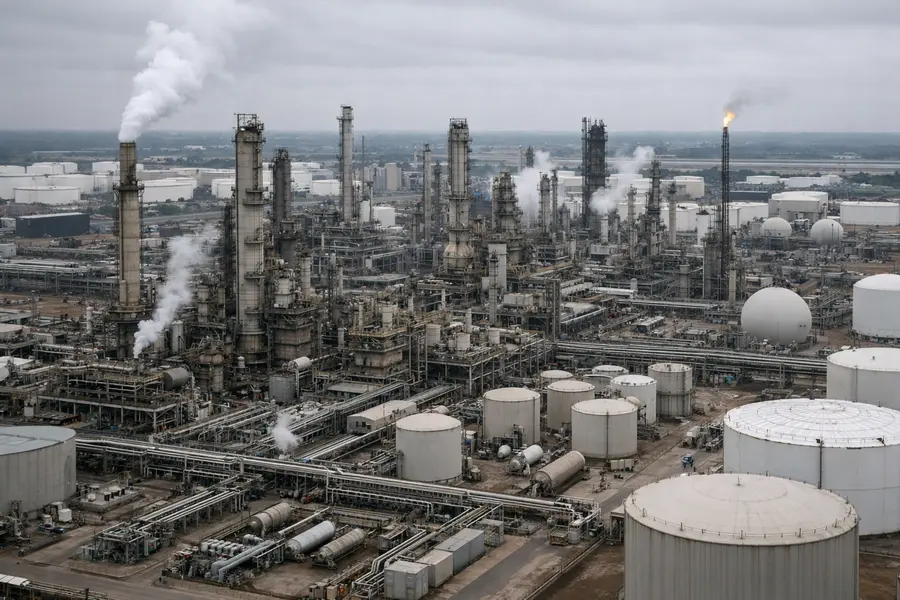
Marathon Petroleum, Valero, and Phillips 66 have each gained more than 80% year-to-date in 2026 as the WTI 3-2-1 crack spread approaches $9 per barrel, nearly triple its January level.
- The WTI 3-2-1 crack spread has risen to nearly $9 per barrel in 2026, up from roughly $3 in January, marking a sharp expansion in refining margins.
- Marathon Petroleum (MPC), Valero (VLO), and Phillips 66 (PSX) have each surged more than 80% year-to-date, setting successive all-time share-price records.
- The broader refining sector has returned 43% in 2026, making it one of the strongest-performing segments of the U.S. equity market.
Lead
U.S. oil refiner stocks reached fresh all-time highs heading into September 2026, with Marathon Petroleum (MPC), Valero Energy (VLO), and Phillips 66 (PSX) each posting year-to-date gains exceeding 80% as the WTI 3-2-1 crack spread climbed to nearly $9 per barrel - a level nearly three times above where the metric opened the year. The three refiners, long overshadowed by upstream producers and technology names, have emerged as the market's quietest megawinners of 2026, leading a refining sector that has returned 43% since January.
What Is the WTI 3-2-1 Crack Spread and Why Does It Matter?
The WTI 3-2-1 crack spread measures the gross profit margin a refiner earns by converting three barrels of West Texas Intermediate crude into two barrels of gasoline and one barrel of distillate - in short, the per-barrel economics of turning raw crude into sellable fuel. At nearly $9 per barrel, the spread has nearly tripled from its January reading of approximately $3, transforming what had been a compressed-margin environment into one of the most favorable refining backdrops in recent years. For MPC, VLO, and PSX, each dollar of spread expansion flows directly into operating income and free cash flow, amplifying the revenue impact of higher throughput volumes.
Why Have Refiner Stocks Surged More Than 80% in 2026?
Three forces converged to drive the rally. Global demand for refined products strengthened through the first half of 2026, led by transportation fuel consumption across Asia and a resilient U.S. consumer that sustained gasoline and diesel volumes above year-ago levels. Refining capacity simultaneously remained constrained - a structural consequence of the wave of permanent closures that swept the industry between 2020 and 2023 - limiting the supply response even as crude oil remained accessible. The resulting gap between product demand and processing capacity has kept crack spreads elevated across the year.
Crude oil prices have reinforced rather than undermined refiner economics. WTI has traded at levels that signal healthy energy demand without rising far enough to erode finished-product margins. That combination - strong throughput, limited capacity, and cooperative crude oil prices - underpinned the earnings revisions that drove MPC, VLO, and PSX well above consensus estimates entering 2026.How Do MPC, VLO, and PSX Compare Within the Sector?
All three companies have captured the crack spread expansion, though each operates a distinct business profile. Marathon Petroleum runs one of the largest domestic refining networks, with Gulf Coast and midcontinent assets that use WTI-linked crude as the primary feedstock, making it among the most directly leveraged plays on the spread move. Valero Energy, the largest U.S. independent refiner by capacity, brings a globally distributed system and a meaningful renewable diesel segment that has added an additional earnings layer beyond traditional fuels. Phillips 66 spans refining, midstream, chemicals, and marketing, giving it a more diversified revenue base and slightly lower pure-play sensitivity to spread swings relative to its peers.
Despite those structural differences, all three have delivered comparable year-to-date returns exceeding 80%, reflecting the breadth and uniformity of the crack spread tailwind rather than idiosyncratic outperformance at any single company.
Market Reaction
Equity markets have awarded all three refiners with consecutive all-time highs, with valuations reflecting both current earnings strength and investor confidence that elevated margins are durable rather than transitory. The refining sector as a whole has returned 43% in 2026, placing it among the top-performing segments of the broader U.S. market and drawing sustained institutional inflows from investors who had historically underweighted energy processing names.
Trading volumes across MPC, VLO, and PSX have risen alongside prices, indicating broad-based participation from institutional and retail participants. Options activity in all three has skewed toward calls, consistent with positioning for continued upside in a sector that had been largely ignored through much of the previous equity cycle.
What Could Slow the Refiner Rally?
Crack spread compression is the primary risk. That compression can arrive through a demand-side shock - a recession that curtails gasoline and diesel consumption - or through a supply-side response in which new refining capacity comes online faster than the market currently anticipates. A sharp deterioration in crude oil prices, if interpreted as a signal of weakening global economic activity rather than simple supply growth, would simultaneously cut into product demand and introduce uncertainty into refiner planning horizons. Carbon policy and renewable fuel mandate evolution represent longer-term headwinds, though near-term earnings at MPC, VLO, and PSX appear well insulated from regulatory disruption.
Outlook
The WTI 3-2-1 crack spread's climb to nearly $9 per barrel has established Marathon Petroleum, Valero, and Phillips 66 as the defining equity trade of 2026's energy sector - all-time highs reached with comparatively little fanfare relative to their performance. Sustaining gains above 80% year-to-date requires crack spreads to hold near current levels, a condition that rests on continued product demand and the absence of meaningful new capacity. Through the first eight months of 2026, both conditions have held. The sector enters the fourth quarter with momentum, margin discipline, and a structural supply constraint that shows no sign of resolving quickly.
Mentioned tickers: MPC, VLO, PSX