Pomegra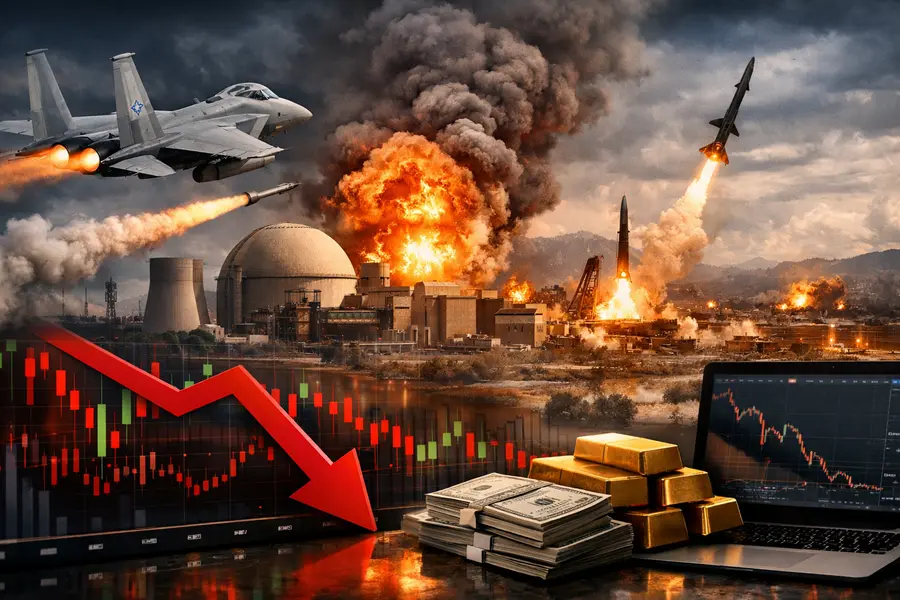
Israel and the United States struck Iranian military and nuclear infrastructure for the seventh consecutive night on July 18, as Tehran formally suspended its ceasefire commitments, driving Brent crude above $78 a barrel and gold to record highs above $5,300 an ounce amid surging Middle East geopolitical risk.
- Iran suspended the June 17 Islamabad MOU on July 18, citing U.S. violations, as joint Israel-U.S. strikes hit Iranian military and nuclear sites for a seventh straight night.
- Brent crude rose more than 4% to $78.82 a barrel; gold surged above $5,300 an ounce to new records on safe-haven demand.
- Only three commodity vessels crossed the Strait of Hormuz on Friday, the fewest daily transits since May, threatening one-fifth of global crude trade.
Lead
Iran's Deputy Foreign Minister Kazem Gharibabadi declared Tehran had "suspended" all commitments under the Islamabad memorandum of understanding on Friday, July 18, as U.S. Central Command confirmed the seventh consecutive night of strikes targeting Iranian surveillance sites, military logistics infrastructure, underground weapons storage, and maritime capabilities across Jask, Sirik, Bushehr, Bandar Abbas, Qeshm Island, Ahvaz, and Yazd. The declaration extinguished what had been the conflict's clearest off-ramp and pushed a war now in its fifth month into a new and more dangerous phase.
What Happened
Gharibabadi said the United States had "violated and suspended all its commitments within the framework of the Islamabad MOU," the accord signed June 17 by President Donald Trump and Iranian President Masoud Pezeshkian to end the war and reopen the Strait of Hormuz. Iran's suspension means neither side is bound by the agreement's constraints.
CENTCOM said its forces employed fighter aircraft, aerial drones, and warships in the overnight operation. Iran's Islamic Revolutionary Guard Corps responded by launching drone and missile strikes against a U.S. military base in northern Jordan, claiming to have destroyed American aircraft and damaged others. Iran also struck Kuwait for a second consecutive day, hitting a power and water plant; the Kuwait Petroleum Corporation reported "severe material losses" and injuries at a vital oil sector facility.The strikes on Iran's nuclear sites — including nuclear enrichment infrastructure at Natanz, a uranium processing facility in Yazd, and complexes at Isfahan — have been ongoing since late February, when the U.S. and Israel launched coordinated operations that also killed Supreme Leader Ali Khamenei. Friday's targets reflected a shift toward military logistics and maritime capabilities as both sides contest control of the Strait of Hormuz.
Market Reaction
Oil markets lurched higher on Friday. Brent crude for September delivery rose more than 4% to $78.82 a barrel as of 08:00 GMT, the highest level since June 22. The benchmark is now approximately 9% above its price before the initial Israel strikes on Iran in late February, erasing gains made during the brief ceasefire period when prices had retreated toward $70 a barrel.
Gold climbed above $5,300 an ounce, extending a record-breaking run. JPMorgan raised its year-end gold target to $6,300 an ounce, reflecting expectations that safe-haven demand will remain elevated.Defense and aerospace equities outperformed broader markets. Lockheed Martin (LMT), Boeing (BA), and Israel's Elbit Systems (ESLT) all posted gains amid elevated expectations for defense procurement globally. ExxonMobil (XOM) and Chevron (CVX) firmed alongside crude. Broad equity indices fell, and bonds rallied, as investors priced in prolonged conflict.
Strategic Context
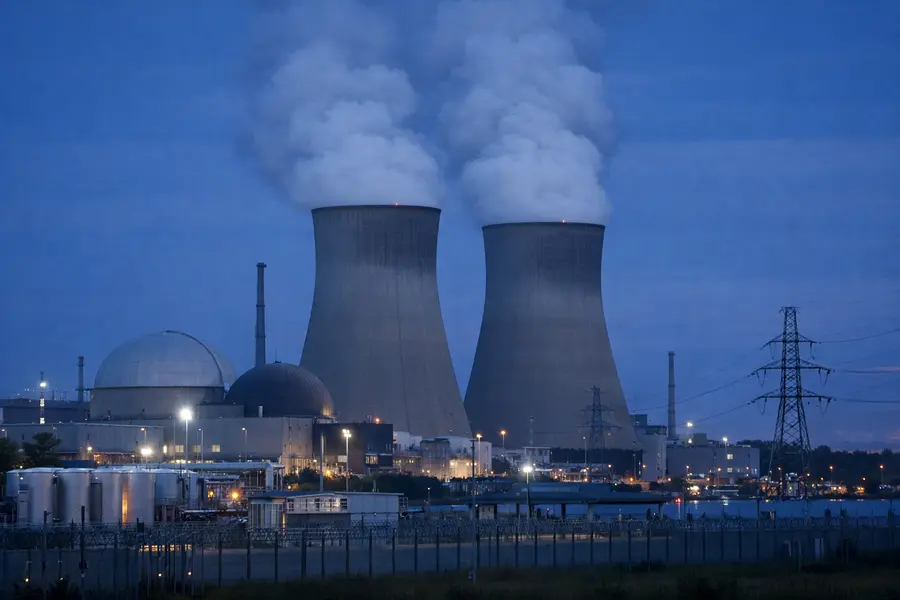
The Israel-Iran war escalation that began February 28 has produced what the International Energy Agency has called the largest supply disruption in the history of the global oil market. The war initially closed the Strait of Hormuz entirely. The June 17 MOU partially reopened the passage, but shipping volumes never recovered to pre-war levels: companies continued to face high insurance premiums, unclear ceasefire terms, and mine risks.
Iran's nuclear program has been a central target since the conflict's opening phase. Early strikes hit Natanz enrichment facility entrances, the Isfahan nuclear complex, the Yazd uranium processing site, and what analysts described as a covert weapons development site at Minzadehei. Those strikes were framed by Israeli and U.S. officials as an effort to permanently dismantle Tehran's path to a nuclear weapon, a goal that had eluded three decades of diplomacy and sanctions.Geopolitical Dimension
The global reaction on July 18 ranged from alarm to condemnation. The secretary general of the Gulf Cooperation Council denounced Iran's strikes on Bahrain, Kuwait, and Jordan as "war crimes," calling the targeting of civilian infrastructure a violation of international law.
Oman, which had facilitated MOU negotiations, expressed "disappointment" at the abandonment of what it called "active and serious negotiations." Russia condemned the U.S. and Israeli operations as destabilizing but showed no intention of intervening militarily on Tehran's behalf. A senior IRGC adviser warned that if U.S. strikes continued for several more days, Iran would "move into a phase of full-scale offensive operations."
At the NATO summit July 8, Trump had already declared the MOU "over" and threatened to reinstate the U.S. naval blockade of Iranian ports. Friday's MOU suspension by Tehran removes the last formal diplomatic architecture from a conflict that has killed thousands, displaced millions, and gutted Gulf real estate valuations by an estimated 30% since March.
What Comes Next
The collapse of the Islamabad accord creates a vacuum with no replacement framework in sight. U.S. negotiators had been en route to Oman for follow-on talks; those discussions are now in limbo. The Pentagon's deployment of dozens of additional refueling aircraft to Israel — reported July 17 — signals that a broader offensive remains under active planning. Iran's threat of "full-scale offensive operations" introduces escalation risks that markets have not yet fully priced.
Analysts surveyed before Friday's development had expected Brent to remain in the upper $70s through August and September. A sustained closure of the Strait of Hormuz — through which roughly 27% of global maritime crude trade flows — could push prices materially higher.
Outlook
The Israel-Iran war escalation shows no sign of abating after the July 18 ceasefire collapse. With Iran's nuclear infrastructure damaged but not fully dismantled, the MOU suspended, and military exchanges accelerating, the conflict enters a phase defined by maximum pressure on both sides and minimum diplomatic cover. Energy markets, defense supply chains, and Gulf commercial real estate remain the most directly exposed assets. The near-term risk for crude is to the upside; for equities outside the defense sector, to the downside.
Mentioned tickers: LMT, BA, ESLT, XOM, CVX, USO, GLD