Pomegra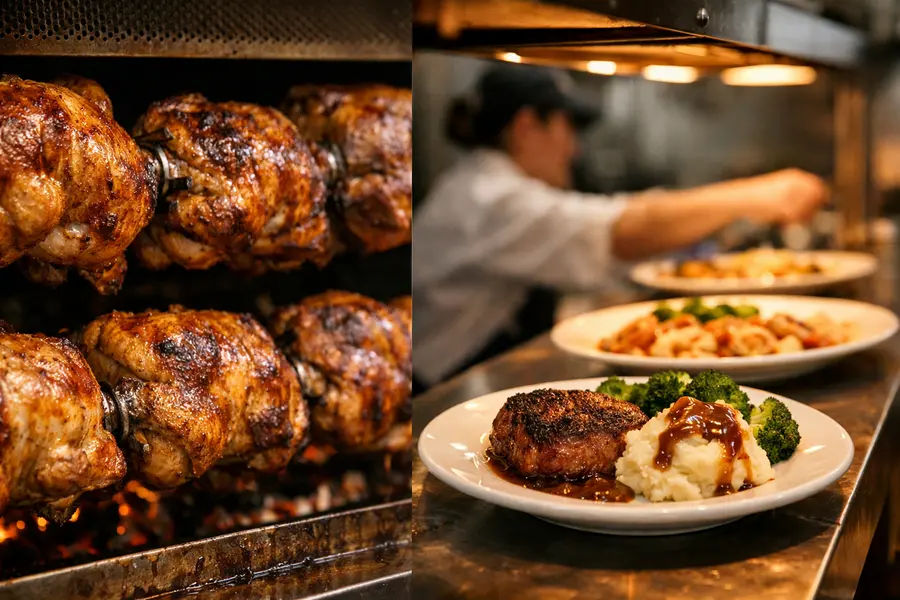
Costco Wholesale and Darden Restaurants both report Thursday, September 24, putting household spending resilience under scrutiny just eight days after the Federal Reserve's surprise interest rates hike.
- Costco Q4 FY2026 consensus stands at $6.55 EPS and $94.85B in revenue, implying 12% and 10% year-over-year gains respectively.
- Darden Q1 FY2027 consensus calls for $2.06 EPS - up 4.1% from the year-ago quarter - on total revenue near $3.21B, with Olive Garden facing same-store sales pressure.
- The Federal Reserve raised its benchmark rate by 25 basis points on September 16, the first hike since 2023, lifting the target range to 3.75%-4.00%.
Lead
Two of the most closely watched consumer bellwethers converge on Thursday, September 24, as Costco Wholesale (COST) and Darden Restaurants (DRI) both deliver quarterly results in what shapes up as the heaviest consumer-sector earnings session of the autumn calendar. The dual print arrives with unusual macro weight: the Federal Reserve moved its benchmark rate higher for the first time in more than three years just last Tuesday, reigniting debate over whether American households can sustain spending patterns built around near-zero borrowing costs. Consumer prices rose 3.4% in the year through July, reinforcing the Fed's decision but amplifying the pressure on discretionary budgets ahead of the holiday season.
What Do Analysts Expect From Costco's Q4?
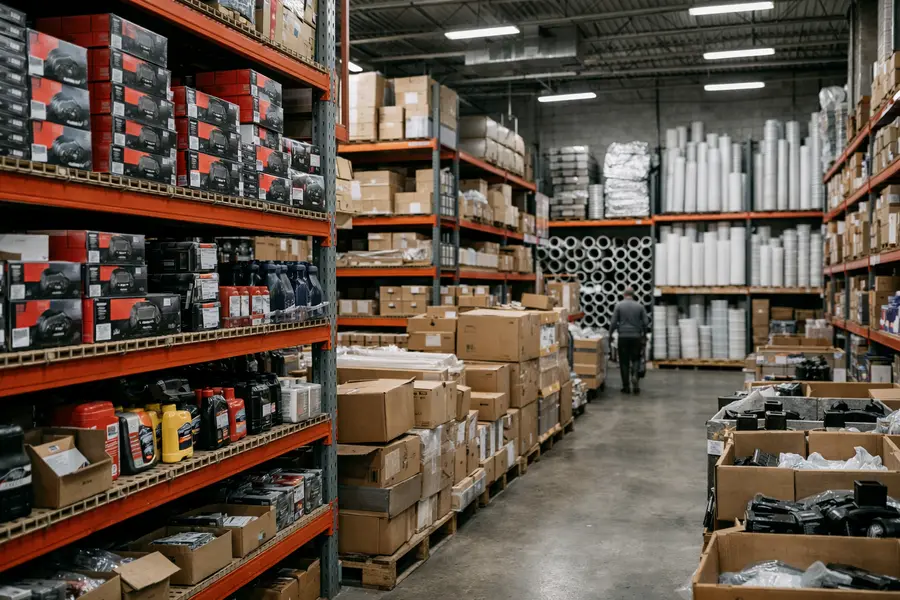
Wall Street consensus has Costco posting adjusted earnings of $6.55 per share - a 12% increase on the $5.87 delivered a year ago - against revenue of $94.85 billion, up 10% from $86.16 billion. Monthly sales data that Costco pre-releases through the quarter already confirmed 7% comparable growth in Q4, giving the club-format retailer a visible foundation heading into the print. Analysts flag potential margin compression from elevated supply-chain and fuel costs, but the warehouse chain's membership renewal rate of roughly 93% globally provides structural support that conventional grocers cannot replicate. COST shares have held near multi-year highs in the run-up, reflecting broad market confidence in the result.
Does the Fed Rate Hike Threaten Costco's Core Shopper?
Costco's membership skews toward middle-to-upper income households, a cohort historically less sensitive to moderate tightening cycles. The 25-basis-point move to the 3.75%-4.00% target range - driven by the Fed's assessment that inflation remains sticky above its 2% objective - does raise the cost of revolving credit broadly, and average credit card balances near $6,600 mean monthly payment increases are already filtering through. Investor attention during the conference call will center on whether members are trading down within Costco's own assortment, cutting Kirkland premium SKUs in favor of lower-margin staples, or whether the bulk-purchase value proposition is holding firm against higher household financing costs.
Darden and Olive Garden: Will 4.1% EPS Growth Hold?
Darden approaches Thursday with a narrower margin for error. Consensus EPS of $2.06 represents 4.1% growth on the $1.97 the company posted in Q1 FY2026, with total revenue projected near $3.21 billion. The flagship Olive Garden chain faces the sharpest scrutiny: analysts model same-store sales growth between 0.9% and 1.8% - a significant deceleration from the 4.7% blended comparable Darden achieved in the year-ago period. Beef commodity inflation and elevated one-time operational costs are expected to weigh on restaurant-level margins, partially absorbing the unit-count benefit from the 103-restaurant Chuy's Tex-Mex acquisition completed in fiscal 2026. Darden's full-year FY2027 guidance calls for total sales of $13.6B-$13.75B and adjusted EPS of $11.10-$11.35, a range management has declined to revise despite softening traffic signals. Whether that guidance stands after September 24 is the central question for DRI shareholders.Why This Earnings Week Functions as a Consumer Stress Test
The simultaneous COST and DRI reports map two distinct spending cohorts. Costco tracks the warehouse-club shopper driven by bulk-value logic; Darden tracks the casual-dining patron making a considered trade-off between a sit-down meal and a home-cooked alternative. A miss driven by traffic declines at Olive Garden - rather than a lower average check - would indicate consumers are simply eating out less, a more durable form of demand erosion than menu-price sensitivity. At the same time, any Costco commentary signaling deceleration in high-margin categories such as gold bullion, travel, or fresh food premiums would sharpen the negative read for the broader consumer discretionary sector.
Outlook
Both reports land the same morning - Darden before the opening bell, Costco after the close - delivering a synchronized read on consumer health from opposite ends of the dining and shopping spectrum. Forward guidance language will carry more weight than the headline numbers, particularly any direct management commentary on how the September rate hike or inflation is shaping customer traffic and basket behavior into the final months of 2026. If both companies reaffirm their full-year outlooks, the week ends as a net positive for consumer-sector sentiment. A guidance reduction from either would intensify concern that higher interest rates are beginning to crack household spending in ways that quarterly data has not yet fully captured.
Mentioned tickers: COST, DRI, WMT