Pomegra
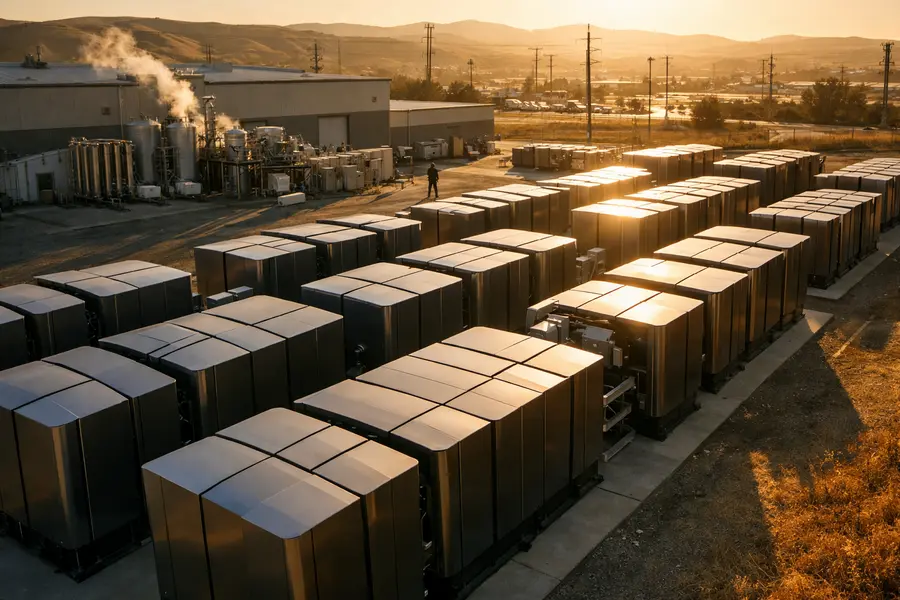
Bloom Energy shares rose about 9% to $214 on Nov. 3 after Barclays upgraded the fuel cell maker to overweight on faster-than-expected demand.
- Bloom Energy (BE) rose 9.1% to $214.05 from a $196.25 close after the upgrade.
- Barclays moved to overweight from equal weight and cut its target to $289 from $316.
- A non-binding California Resources plan for 1 GW or more of fuel cells added to momentum.
Lead
Bloom Energy (NYSE: BE) climbed 9.1% to $214.05 on Tuesday, Nov. 3, after Barclays (NYSE: BCS) raised its rating to overweight from equal weight. The bank cited a fast-growing manufacturing base and rising customer deposits as signs that demand is building faster than expected. Shares touched an intraday high of $220.50 on volume of about 13.75 million, roughly 4% above the 13.2 million daily average. Market capitalization rose to about $63 billion.Barclays lowered its price target to $289 from $316 in the same note. The upgrade came as investors continued to weigh which ai stocks can turn data-center power demand into durable cash flow.
Why Did Barclays Upgrade Bloom Energy?
Barclays upgraded Bloom because capacity additions and customer prepayments point to demand outrunning the company's earlier build plans. Bloom reported customer deposits of $661.4 million at the end of the third quarter, up from $78.2 million at the start of the year. Deposits are cash paid ahead of delivery, so they are an early gauge of order commitment.
The upgrade follows a strong third-quarter report on Oct. 22. Revenue reached a record $1.236 billion, up 138.1% from a year earlier, with non-GAAP earnings of $0.94 a share against a consensus near $0.69. Bloom raised its 2026 revenue outlook to $4.4 billion to $4.6 billion, the third increase this year, and lifted its non-GAAP gross margin target to about 34%.
Why Was the Price Target Lowered?
The target fell about 8.5% because the stock has de-rated and cash generation lags the growth story. Bloom reported negative free cash flow of $180.6 million in the third quarter as it spent heavily to expand capacity. Barclays expects 2027 free cash flow to come in below Street estimates, even as its 2027 revenue forecast stands at $8.16 billion.
The $289 target still implies roughly 35% upside from Tuesday's price. Shares trade below their 50-day moving average of $248.07 and their 200-day average of $220.08. The 52-week range runs from $75.70 to $351.28.
What Is the California Resources Agreement?
California Resources (NYSE: CRC) agreed to explore building 1 gigawatt or more of Bloom fuel cell generation paired with carbon capture and storage in California. The arrangement is a non-binding memorandum. It requires definitive contracts, a final investment decision and federal environmental permits before any project proceeds.
No timeline or capital figures were disclosed. For scale, GE Vernova (NYSE: GEV) reports a gas turbine backlog of about 122 GW, which makes the Bloom-California Resources plan modest by comparison. The announcement still broadens the case for on-site power that does not depend on grid interconnection queues.
How Does Wall Street View Bloom Now?
The consensus rating remains hold, with an average price target near $263. The ratings split is 12 buy-equivalent, 13 hold and 1 sell, which shows that valuation and execution questions persist alongside the demand data. Other recent targets range from $284 to $351.
Bloom trades at about 40 times forward earnings, well below its average of roughly 76 times since September 2023. That gap reflects both the growth already in guidance and investor caution about funding the expansion.
What Comes Next for Bloom Energy Shares?
The next tests are conversion of deposits into delivered systems and progress on free cash flow. Fourth-quarter delivery timing is central to the 2026 revenue range. The California Resources memorandum will matter only if it becomes a binding order.
Outlook
The Barclays upgrade rests on demand signals that are measurable: deposits up more than eightfold since January and a third guidance raise this year. The lower target recognizes a stock still well below its highs and a cash-flow profile that has yet to catch up with revenue. Capacity expansion, delivery cadence and the fate of the California project will set the next leg for the shares.