Pomegra
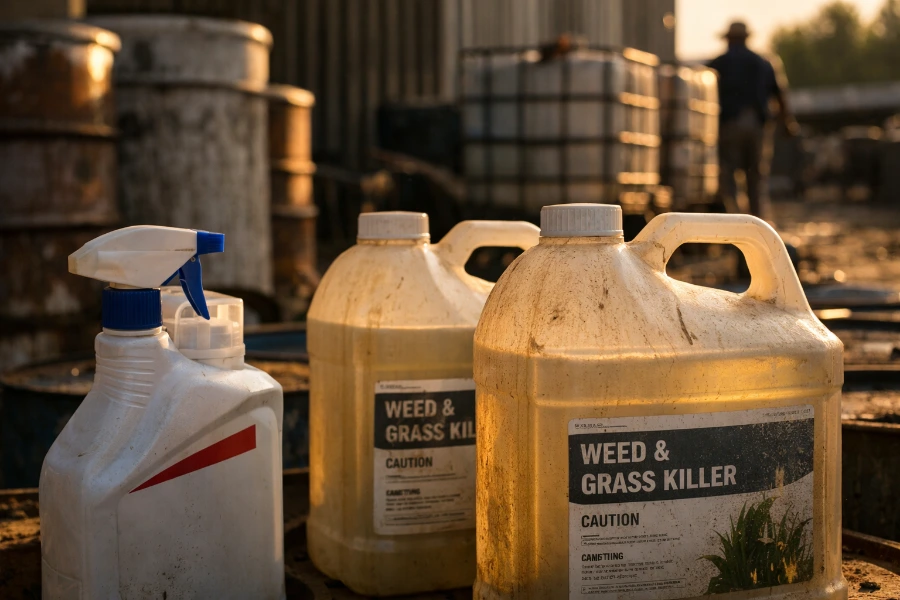
A Missouri judge approved Bayer's $7.25 billion Roundup settlement, resolving most US cancer claims and sending shares up 7% premarket before they reversed.
- A St. Louis judge approved the $7.25 billion Roundup class settlement, with payments running up to 21 years.
- Bayer (BAYN) shares rose about 7% premarket on Monday, then fell more than 2% as trading progressed.
- About 200 federal cases fall outside the deal, and the approval order can still be appealed.
Lead
Judge Timothy Boyer of a state court in St. Louis approved Bayer's $7.25 billion settlement of Roundup cancer lawsuits on Friday, Nov. 20, 2026. He found the deal "fair, reasonable, and adequate." The ruling covers current and future claims that the glyphosate-based weedkiller causes non-Hodgkin lymphoma, and it brings Bayer close to ending litigation that has weighed on the company since its $63 billion acquisition of Monsanto in 2018. Bayer shares (BAYN) were indicated up about 7% in premarket trading on Monday.
What Does the Settlement Cover?
The settlement resolves roughly 65,000 claims from people who say they developed cancer after using Roundup at home or at work. Monsanto, the Bayer unit that makes Roundup, will pay through declining, capped annual installments over as many as 21 years.
Individual awards range from $10,000 to $165,000, depending on exposure type, age at diagnosis and lymphoma subtype. A quick-pay option of $6,000 to $14,500 is available to certain residential users. Claimants must have been exposed before Feb. 17, 2026. Occupational claimants need at least 80 hours of workplace exposure. The opt-out deadline passed on June 4, so class members who did not opt out are bound by the terms.
Why Did Bayer Shares Reverse After the Early Jump?
Bayer shares gave up the premarket gain because the approval was largely expected. Shares rose as much as 4.5% shortly after the open in Europe, then turned lower and were down more than 2% by midday. Investors had priced in a favorable outcome after the settlement was announced in February and after a US Supreme Court ruling in June. The stock is up about 44% this year, which left room for profit-taking. Market commentary framed the approval as materially reducing the size and uncertainty of Bayer's glyphosate liabilities rather than as new information.
How Did the Supreme Court Ruling Shape the Outcome?
The Supreme Court's 7-2 decision in Monsanto v. Durnell in June strengthened Bayer's position. The court held that federal pesticide law preempts state failure-to-warn claims that seek a cancer warning on Roundup labels. It overturned a $1.25 million Missouri jury award. Plaintiffs' lawyers have acknowledged that the decision narrowed their ability to pursue claims in court.
The ruling also explains the court's reasoning on timing. Boyer rejected objections that payouts were too low and noted that delay could force claimants, including those with terminal cancer, to wait "an indeterminate number of years."
What Risks Remain for Bayer?
Roughly 200 federal cases are excluded from the settlement and remain pending. The approval order is also subject to appeal, which would pause most payments. Claimants in urgent circumstances, such as terminal illness, may still be paid during an appeal. Bayer maintains that glyphosate does not cause cancer.
CEO Bill Anderson called the approval "a decisive milestone" in the company's strategy to limit its legal risk from current and future Roundup claims. Bayer shares remain about 46% below their level before the Monsanto deal.
Outlook
The approval removes the largest open-ended liability from Bayer's crop science business and gives the company a defined, multi-year payment schedule. The next markers are any appeal of the approval order, the handling of the remaining federal cases, and the pace of claims payments. For investors, the focus shifts from legal outcomes to how the cash outflow fits Bayer's balance sheet and its pharmaceutical and crop science operations.
Mentioned tickers: BAYN