Pomegra
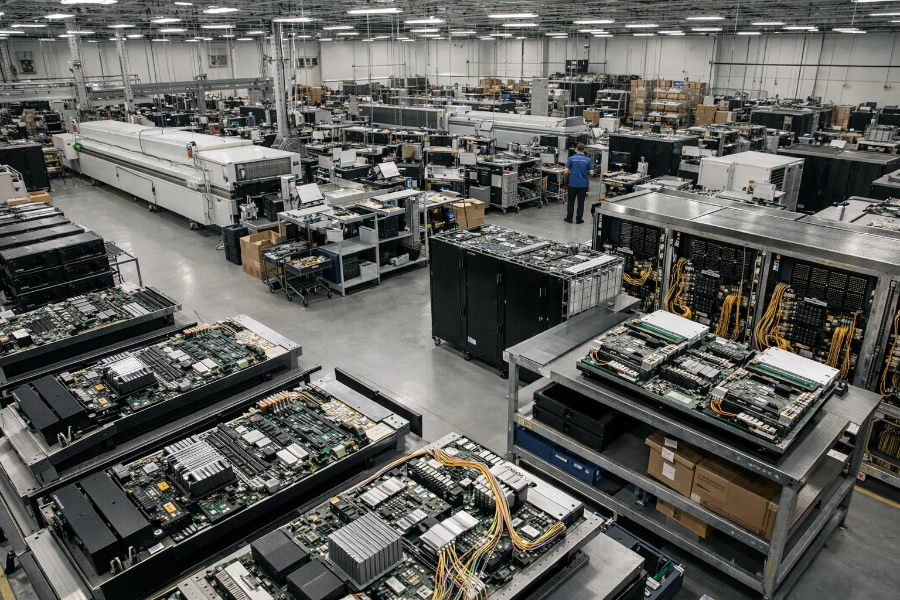
The US Commerce Department added Alibaba's Singapore unit Apex and six Megaspeed affiliates to its Entity List over alleged Nvidia AI chip diversion to China.
- Seven entities across Singapore, Malaysia and Thailand now need US licenses for American exports, and applications face a presumption of denial.
- Alibaba calls the listing of Apex "erroneous" and says it will pursue all legal avenues.
- Singapore's prime minister said the city-state will not serve as a conduit for circumventing US export controls.
Lead
The US Commerce Department added seven companies to its Entity List this week, including Alibaba (NYSE: BABA, HKEX: 9988) unit Apex Enterprise Solutions and six affiliates of Singapore cloud provider Megaspeed. The action follows an investigation opened in 2024 into whether advanced Nvidia (NASDAQ: NVDA) AI processors were routed to buyers in China in breach of American export controls. Alibaba's Hong Kong-listed shares fell 0.5% on Tuesday.
What Did the Commerce Department Do?
The department placed seven entities on its trade blacklist, which bars them from receiving US-origin goods, software and technology without a license. License requests will be reviewed under a presumption of denial, which in practice cuts them off from American AI hardware.
The listed companies are:
- Singapore: Megaspeed International, Alibaba's Apex Enterprise Solutions and Swiftdata
- Malaysia: Speedmatrix, PT Megaspeed International and MSFusion
- Thailand: Megaspeed (Thailand)
The stated rationale is the risk that the entities are, or could become, involved in diverting advanced computing chips to unapproved end users. The listing does not require a finding that a diversion occurred. It rests on risk.
Why Was Alibaba's Apex Included?
Apex was listed because of its financial and commercial ties to Megaspeed. Apex paid Megaspeed a prepayment to rent computing capacity, and Megaspeed's Malaysian subsidiary Speedmatrix pledged its entire business to Apex as collateral. Speedmatrix reported assets of about 8.8 billion ringgit ($2.14 billion) at the end of 2024.
Alibaba rejects the characterization. "Adding Apex Enterprise Solutions to the Entity List is erroneous because Apex has never diverted advanced computing chips," the company said, adding that it will "seek all legal avenues to protect our rights." The statement addresses Apex's own conduct. It does not address Megaspeed's.
Who Is Megaspeed and What Is the Probe About?
Megaspeed is a Singapore-based cloud computing company with subsidiaries in Malaysia, Thailand, the United States, Australia and Indonesia. It was incorporated in 2015 as 7Road International and took its current name in March 2023. Nvidia named it an official cloud partner in Asia Pacific in November 2023, and later placed it on a "no sell" list in June 2025.
US authorities opened their inquiry in 2024. In June 2025, US and Singapore officials carried out an on-site check at the company and interviewed its then chief executive. Singapore has separately investigated since February 2025 over potential false declarations in the purchase of servers. Megaspeed says its former chief executive left in August 2025 and that it conducted "legitimate and lawful business."
How Is Singapore Responding?
Singapore is continuing its own inquiry and signaling alignment with Washington. Prime Minister Lawrence Wong said on Tuesday that Singapore does not enforce US export controls, but will not allow the country to be used "as a conduit by companies to circumvent America's export controls."
That position matters for regional data center economics. Singapore, Malaysia and Thailand have become major hosts of AI compute capacity, and Southeast Asia has been a focal point of US concern about indirect routes to Chinese customers. Cloud rental, rather than direct chip purchases, is a second channel under scrutiny. A Chinese company can reach restricted accelerators by leasing capacity abroad without importing hardware.
What Does the Listing Mean for Nvidia and AI Chip Exports?
The listing raises compliance pressure on Nvidia's overseas channel partners rather than on its direct China sales. Nvidia had already cut off Megaspeed, so near-term revenue exposure appears limited. The larger issue is verification. Chipmakers and server vendors must now show that the end users of their hardware in Southeast Asia are not Chinese entities that are barred from buying it.
Three effects are likely over the next 3 to 12 months:
- Tighter due diligence. Cloud partners in Singapore, Malaysia and Thailand face closer scrutiny of customer lists, financing arrangements and collateral structures.
- Alibaba's offshore AI plans. Apex's loss of access to US technology complicates the group's use of overseas capacity to train and serve AI models.
- Legal and diplomatic friction. Alibaba's pledge of a legal challenge adds to a trade relationship that already includes licensing curbs, retaliatory measures and periodic truces.
Market Context
Alibaba's 0.5% decline in Hong Kong was modest, which suggests investors treated Apex as a limited subsidiary-level action rather than a threat to the parent's core e-commerce and cloud businesses. The Entity List does not extend to Alibaba Group itself. Nvidia has not been named as a party to any violation.
Outlook
The action extends the US export control regime from chip sales to the financing and leasing arrangements that surround them. Near-term markers include Alibaba's legal filing, the results of Singapore's investigation and any further listings of Southeast Asian cloud operators. Each could reshape where and how Chinese firms access advanced AI compute.