Pomegra
Asian stocks rallied Tuesday as Taiwan jumped 9% and Nikkei rose 3.6% after Wall Street's rebound, while China, Taiwan and South Korea added support steps.
- Taiwan's benchmark gained 9.04% to 40,141 and Japan's Nikkei 225 rose 3.6% to 58,469 on Tuesday.
- Nvidia's 31% jump on Monday lifted Wall Street's best day since April 2025 and drove the Asian chip rally.
- China cut its margin requirement to 80% from 100%, effective November 30, adding about 400 billion yuan of buying power.
Lead
Asian equities posted their sharpest one-day gains in months on Tuesday, November 24, tracking a Wall Street rebound that ended a seven-session losing streak. In the stock market today across the region, Taiwan's Weighted Index rose 9.04% to 40,141, South Korea's Kospi gained about 6% to just under 5,000, and Japan's Nikkei 225 climbed 3.6% to 58,469. The MSCI Asia-Pacific index excluding Japan rose 4.6%, its largest daily gain since July 31. Policymakers in Beijing, Taipei and Seoul had meanwhile moved to stabilize trading after a technology-led rout.
What Happened in Asian Markets on Tuesday?
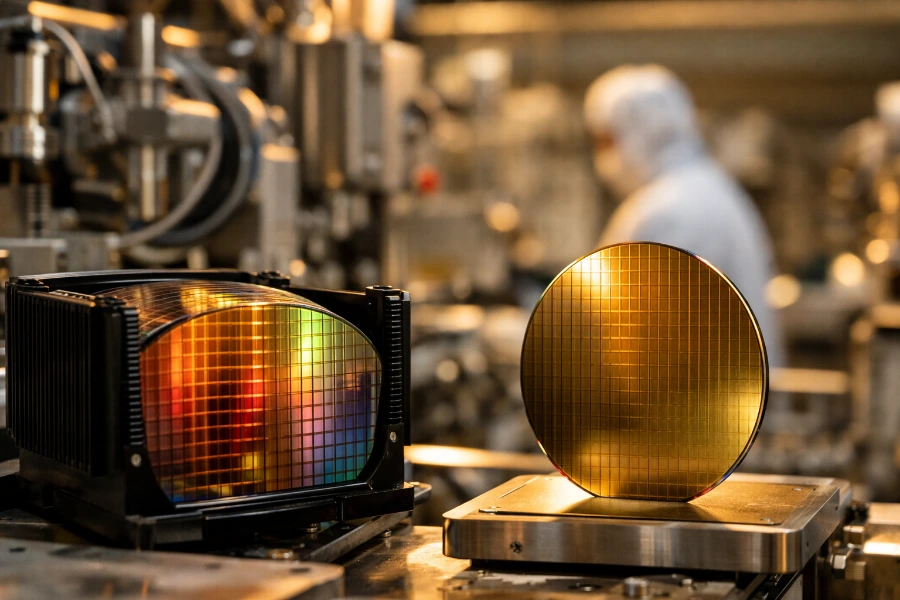
Semiconductor and AI hardware names led the advance. Taiwan Semiconductor Manufacturing (TSM) rose 9.85%, Foxconn gained 8.05% and MediaTek added 9.91%. In Seoul, SK Hynix climbed about 9% and Samsung Electronics about 8%. In Tokyo, chip-equipment makers Tokyo Electron and Advantest rose 10.5% and 14.1%.
Markets outside the technology complex moved far less. Australia's S&P/ASX 200 rose about 1.8% and Japan's TOPIX gained 2.54%. Hong Kong and mainland Chinese benchmarks were little changed, reflecting their lower exposure to the AI hardware trade.
Brent crude fell 3.6% to $86.68 a barrel. The 10-year Treasury yield held near 4.93% and the dollar traded at about 158.9 yen.
Why Did Markets React This Way?
The market reacted to Nvidia (NVDA) shares surging about 31% on Monday after its board unanimously reinstated Jensen Huang as president and chief executive, 11 days after he stepped down. The board said it had received input from senior U.S. government levels and was satisfied Huang's return poses no national security risk. The move restored roughly $1 trillion in market value, one of the largest single-day gains in market history.
On Wall Street, the S&P 500 rose 4.7%, the Nasdaq Composite gained 6.5% and the Dow Jones industrial average added 3%, or more than 1,400 points. It was the strongest session since April 2025. The rebound followed seven straight losing days, the longest streak since the pandemic crash, which had pushed the S&P 500 and the Dow into correction territory. About $8 trillion in U.S. equity value had been lost since the October 6 peak.
The selloff had hit Asia hardest. Taiwan's benchmark suffered its worst week in 35 years, falling about 17.5%, as investors reassessed AI valuations, chip demand and rising borrowing costs. Heavy index weightings in chipmakers explain why Taiwan and South Korea both fell furthest and rebounded hardest.
How Are Governments Supporting Asian Markets?
China, Taiwan and South Korea each announced support steps, though their scale and design differ.
What Comes Next for AI Stocks and Asian Equities?
The rebound resets sentiment but leaves the underlying questions unresolved. The rally's catalyst was a governance event at one company, not a change in AI spending forecasts or chip demand. Valuation concerns and higher financing costs, the factors named by officials in Seoul, remain in place.
Short-term direction depends on whether Wall Street sustains Monday's gains. U.S. index futures were little changed in Asian trading, suggesting investors are consolidating after the largest one-day move in months. Taiwan and South Korea carry the greatest sensitivity because a handful of chip names dominate their benchmarks. Support measures such as short-sale restrictions can slow declines but do not change earnings expectations.
For China, the margin cut takes effect November 30. The test is whether leveraged buying returns after a period of deleveraging, since falling margin balances show investors reduced exposure by choice rather than being constrained by borrowing rules.
Outlook
Asian markets recovered sharply on Tuesday, led by Taiwan's 9% gain and the Nikkei's 3.6% rise, after Nvidia's reinstatement of its chief executive sparked Wall Street's best session since April 2025. Official backstops in China, Taiwan and South Korea add a floor but not a catalyst. The next phase depends on whether U.S. technology shares hold their gains, how AI spending expectations evolve, and whether leverage rebuilds once China's lower margin rule takes effect.
Mentioned tickers: NVDA, TSM