Pomegra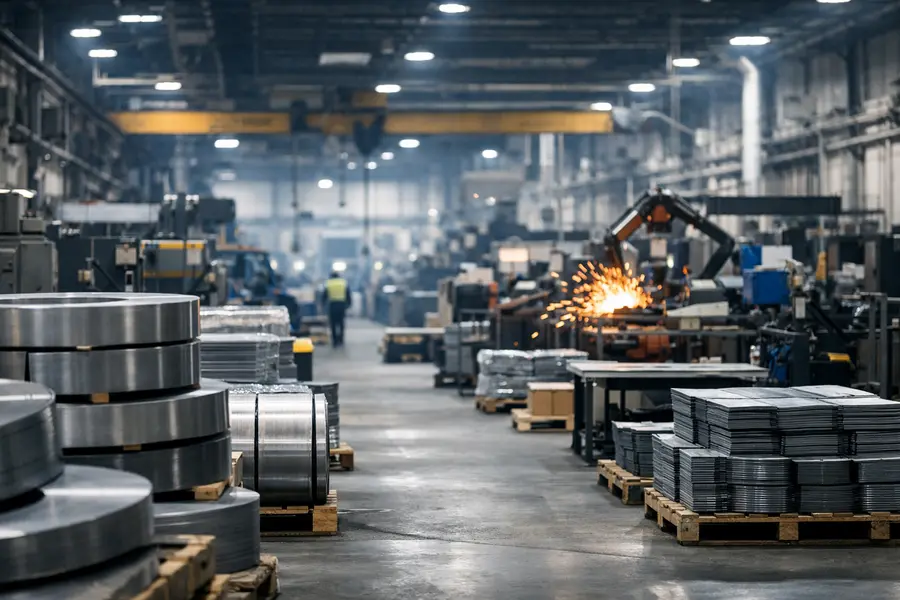
U.S. factory activity grew for an eighth straight month in August but missed forecasts as oil-price inflation and tariffs eroded manufacturing momentum, raising questions about the durability of the industrial recovery.
- August ISM Manufacturing PMI printed at 54.6, below the 55.2 consensus and July's 55.6 reading.
- The index has remained above the 50-point expansion threshold for eight consecutive months.
- Oil-price inflation and tariff-driven input costs are squeezing factory margins and dampening new-order momentum.
Lead
The Institute for Supply Management's August manufacturing gauge fell short of expectations on Monday, registering 54.6 against a 55.2 consensus and retreating from July's 55.6. The index has stayed in expansion territory for eight straight months, but the deceleration signals that oil-price inflation and tariff pressure are now visibly biting into factory momentum as the economy moves into the final quarter of 2026.
What Does the ISM Miss Signal for the Economy?
A sub-index breakdown points to softening demand rather than a technical blip: new orders eased alongside output, while a still-elevated prices-paid component revealed that cost pressures have not relented. Backlogs continued to drain at a moderate pace, suggesting manufacturers have not yet seen demand crater, but are growing cautious about forward commitments. The combination - slower headline activity, stubborn input inflation - is the clearest evidence yet that dual cost pressures are working their way through the goods-producing sector.
Why Are Oil Prices and Tariffs Biting Now?
Crude oil benchmarks held at elevated levels through August, feeding directly into transportation, energy, and petrochemical costs across industrial supply chains. The tariff structure applied to intermediate goods - particularly metals, electronics components, and specialty chemicals - simultaneously raised landed costs for factories relying on imported inputs. Together, these forces pushed the prices-paid sub-index higher even as the headline activity gauge cooled, creating a stagflationary undertow that complicates near-term planning for capital-goods producers and consumer-goods manufacturers alike.
Market Reaction
Equity markets absorbed the miss with measured selling pressure, with the SPDR S&P 500 ETF Trust (SPY) dipping in the immediate aftermath before stabilizing. Rate-sensitive industrial stocks faced heavier pressure as investors recalibrated growth expectations. Treasury yields moved modestly lower on the softer data, reflecting a view that decelerating factory activity could limit the Federal Reserve's appetite for additional tightening. The dollar index edged down slightly as traders weighed the data against an already complex global demand picture.
How Does This Affect the Fed's Next Move?
The August PMI miss adds a complicating layer to the central bank's calculus ahead of its September policy meeting. A softening headline would ordinarily support a pause in interest rates adjustments, but the sustained elevation in prices-paid sub-components means factory-level inflation has not fully subsided. Policymakers now face a scenario in which growth is decelerating but cost pressures remain stickier than anticipated - a dynamic that historically limits the central bank's ability to pivot quickly toward easing. September employment and consumer-price releases will be closely watched to determine whether the manufacturing slowdown is broadening across the broader economy.
What Comes Next for Manufacturing Momentum?
Eight consecutive months of expansion is a durable streak, and a 54.6 reading still represents meaningful growth above the contraction line. The key variable is whether oil-price inflation persists through autumn or eases as energy markets rebalance, and whether tariff negotiations produce any near-term relief on intermediate goods costs. A further cooling toward the 52-53 range in September would sharpen concerns about a more pronounced downturn in the goods-producing sector. Conversely, stabilization in energy prices combined with any tariff relief could support a re-acceleration before year-end. New-order trends in the October print and capital spending commitments from large manufacturers will serve as the clearest forward signals.
Outlook
The August ISM Manufacturing PMI at 54.6 confirms that U.S. factories remain in growth mode but at a decelerating pace, with oil-price inflation and tariff pressure emerging as the primary drags on momentum. The data arrives at a sensitive juncture for interest rates policy and corporate cost planning. If input cost pressures persist and output growth continues to fade, August's eight-month expansion streak may prove a high-water mark rather than a temporary soft patch - shifting the policy and earnings narrative meaningfully heading into the fourth quarter.
Mentioned tickers: SPY