Pomegra
Anthropic's record Nasdaq listing coincided with a 10% Nasdaq Composite slide, the index's worst week since March 2020, as investors cashed in AI gains.
- The Nasdaq Composite fell about 10% in the week to Nov. 20, its steepest weekly loss since March 2020.
- Anthropic (ANT) raised $93.5 billion at $83 a share, rose 17% on debut, then lost 8.5% on Friday.
- The S&P 500 lost 8.6% and the Dow 8% on the week, and both are now in correction territory.
Lead
Anthropic's Nasdaq debut on Thursday, Nov. 19, was one of the most anticipated listings in market history. It became a liquidity event for a market already stretched by the 2026 AI rally. The Nasdaq Composite lost about 10% over five sessions, its worst week since March 2020. The S&P 500 fell 8.6% and the Dow Jones Industrial Average 8%. The Nasdaq-100 lost 10.43%, the largest weekly drop for the benchmark behind the nasdaq qqq fund (QQQ) since the pandemic selloff. About $6 trillion in US equity value was erased during the week.
What Happened to Anthropic's Stock After the Listing?
Anthropic shares gave back most of their debut gain within a day. The company priced 1.127 billion shares at $83, for gross proceeds of about $93.5 billion once the underwriters exercised their full over-allotment option. That is the largest IPO on record, ahead of SpaceX's June 2026 listing. A concurrent private placement with large technology companies added about $26 billion at the offer price.
ANT opened at $111.50 on Thursday, about 34% above the offer price, and closed at $97.17, up 17%. The stock gave up gains quickly on Friday, falling about 8.5% and trading near $87 in the afternoon, after touching $83.05. The market value at the debut close was about $1.8 trillion. Roughly $109 billion of that was lost in the first two sessions.
Why Did the Nasdaq Have Its Worst Week Since March 2020?
The Nasdaq's worst week since March 2020 came from heavy selling in AI-linked stocks, with the IPO as a trigger. Investors who had held the AI trade through the year used the listing's liquidity to take profits. The selloff then fed on itself.
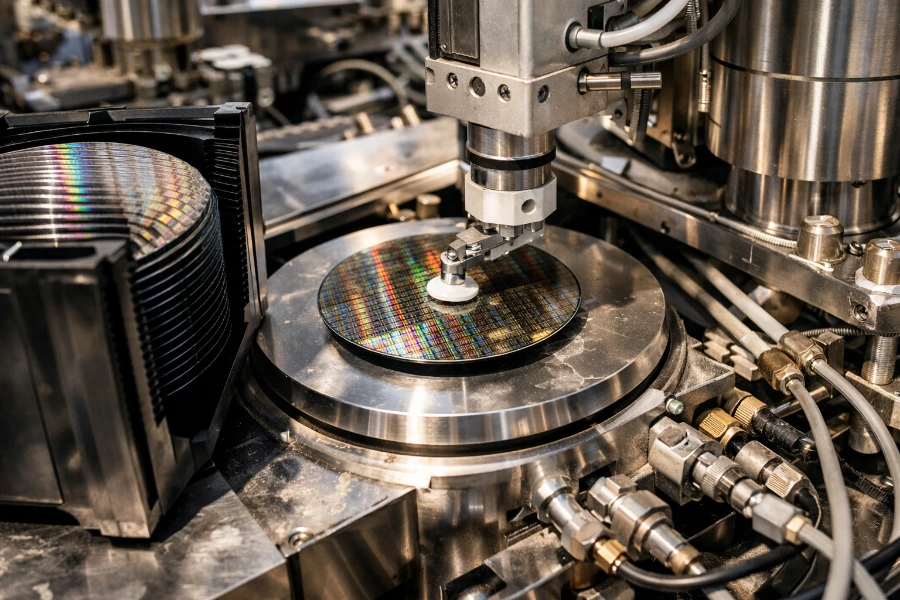
Semiconductors took the heaviest losses. The PHLX Semiconductor Index fell about 17%, its worst week since September 2001, and is down roughly a third since Sept. 30. Nvidia (NVDA) lost about 23%, its sharpest weekly drop since 2008. It fell even after reporting revenue that more than doubled from a year earlier. AMD (AMD), Taiwan Semiconductor Manufacturing (TSM), Arm Holdings (ARM) and Oracle (ORCL) fell 15% to 19%. Micron Technology (MU), Marvell Technology (MRVL), CoreWeave (CRWV) and Nebius Group (NBIS) each lost more than 20%.
The weakness spread beyond technology. The S&P 500 declined on all five sessions. The Dow and the S&P 500 now sit more than 10% below their Oct. 6 record highs. The Nasdaq is down for the year, and the Russell 2000 of small caps lost 7.5% on the week.
How Did Volatility and Bond Markets Respond?
The market's volatility index (VIX) jumped from 19.30 to 35.89 over the week, a level that signals acute demand for portfolio protection. Treasuries rallied as investors moved away from equities. The 10-year yield fell to about 4.93% from roughly 5.15%, which eased some pressure on stock valuations but did not stop the selling.
The two events investors had treated as stabilizers failed to hold the market. Nvidia's earnings and the Anthropic debut had both been expected to renew confidence in AI spending. Instead, each prompted questions about whether the pace of AI infrastructure investment can be justified by the revenue it generates. Strong results at Nvidia and a first-day gain at Anthropic provided occasions to sell rather than reasons to buy.
What Does the Anthropic Listing Mean for AI Stocks?
The listing gives public investors a direct, priced reference for a leading frontier AI developer. It also shows how little cushion the sector has. ANT's return to within about 5% of its offer price by Friday shows how quickly demand faded once the opening-day allocation was absorbed. Anthropic received about $91.6 billion in net proceeds from the offering. That gives it a large cash balance to fund compute, research and enterprise expansion whatever the share price does in the near term.
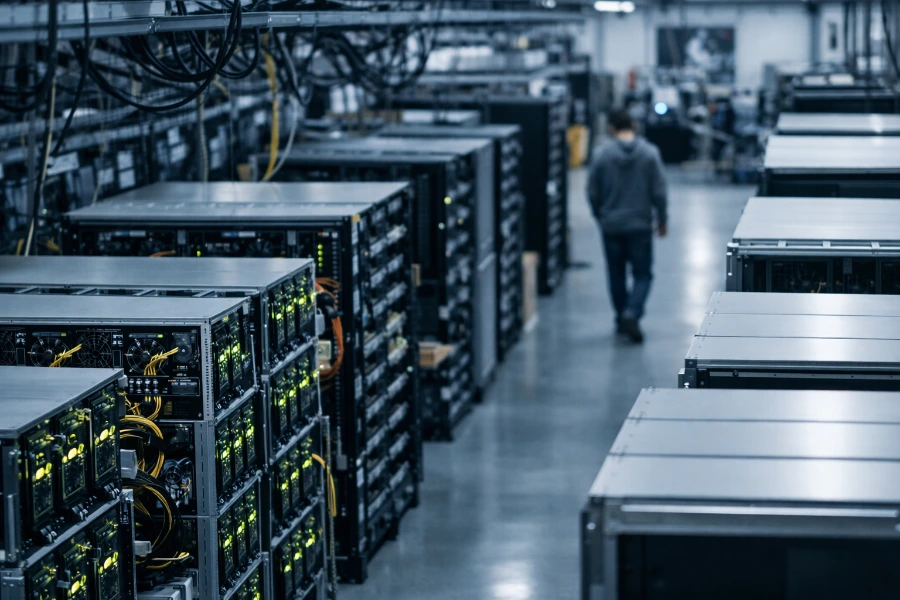
For the broader market, the ai stocks group has gone from the main driver of 2026 returns to the main source of drawdown. Chip, cloud and neocloud names that led the rally on the way up led the decline. The size of the drop means index-level exposure to AI is now a risk factor in its own right. Technology funds, and the Nasdaq-100 products that track them, hold a heavy concentration in the same names.
What Comes Next for the Market?
The next sessions will test whether the week's losses were a forced repositioning or the start of a longer reset. Three variables matter most. The first is whether ANT holds the $83 offer price, which underwriters and early buyers will watch as the line between a stable listing and a broken one. The second is whether semiconductor stocks stabilize after their steepest weekly decline in 25 years. The third is whether the VIX settles back below 30 or stays elevated and keeps pressure on risk assets.
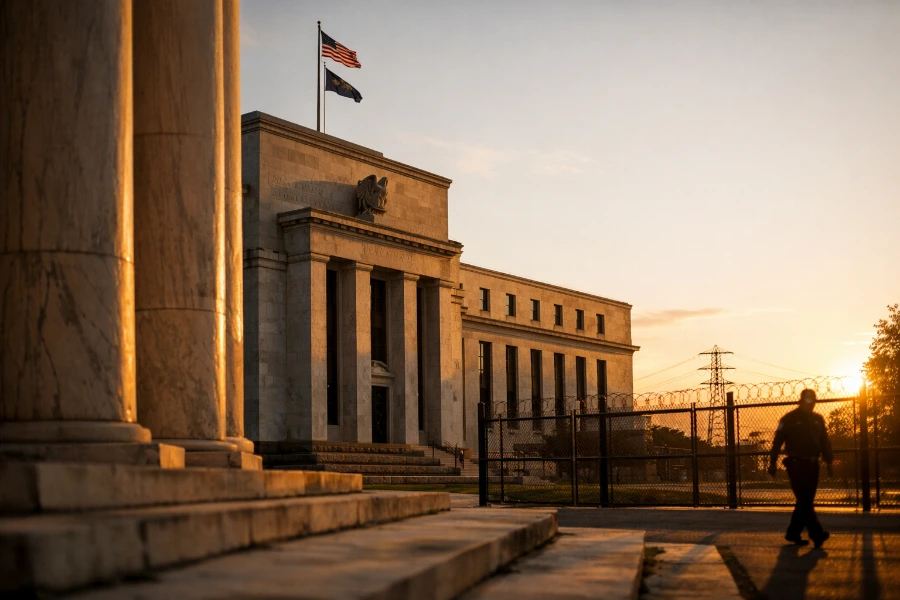
Macro conditions leave little room for error. Yields near 5% keep the discount rate on long-duration technology earnings high, and the federal reserve has no obvious reason to ease in response to an equity drawdown alone while yields remain this high. Corporate AI spending plans, to be updated at the next round of earnings, will determine whether the revenue case catches up with the investment case.
Outlook
Anthropic's debut raised a record $93.5 billion but did not slow a selloff that cost the Nasdaq about 10% in a week. Chips suffered their worst week since 2001, and the S&P 500 and Dow entered correction territory. The VIX nearly doubled and Treasury yields eased. Direction from here depends on ANT's ability to hold its offer price, the stability of semiconductor shares, and whether volatility recedes from the highest levels of the year.
Mentioned tickers: ANT, QQQ, NVDA, AMD, TSM, ARM, ORCL, MU, MRVL, CRWV, NBIS