Pomegra
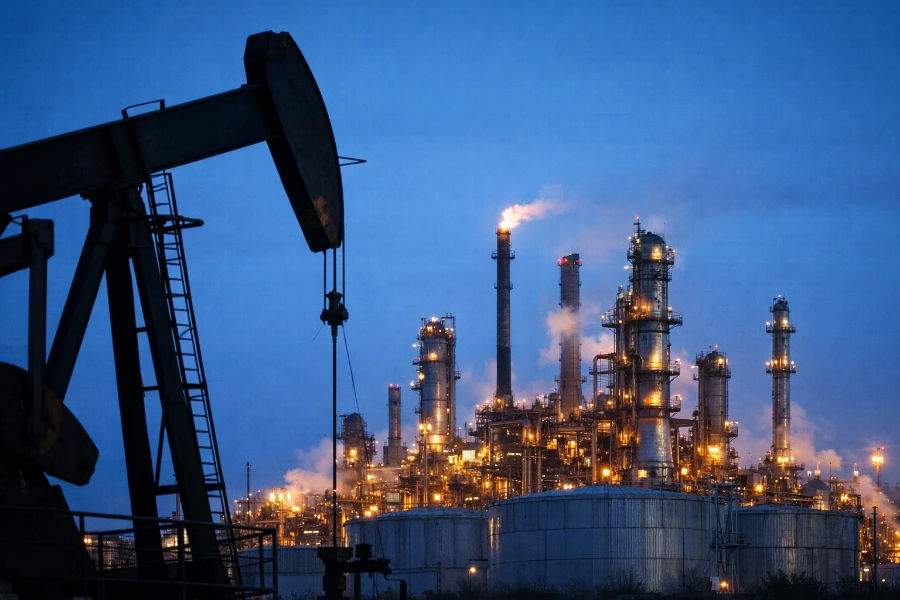
WTI crude fell 4.5% to $80.17 a barrel as Trump gave Iran diplomacy more time, warning that strikes could resume after the New Year if talks fail.
- WTI settled at $80.17, down 4.5%, its first close near $80 since August. Brent fell 3.5% to $89.37.
- Trump gave diplomacy more time but said strikes on Iran could resume after the New Year if talks fail.
- Brent is down about 20% in November as the IEA projects a surplus of roughly 2 million barrels a day.
Lead
The crude oil price dropped sharply on Monday, November 23, as traders unwound geopolitical hedges after President Donald Trump signaled he would give Iran diplomacy more time. West Texas Intermediate for January delivery fell 4.5% to $80.17 a barrel, its lowest level since August. Brent for January settlement lost 3.5% to $89.37. Brent has now fallen about a fifth this month.
Trump told Fox News he is inclined to resume military action against Iran after the New Year if no agreement is reached. The message set a rough deadline for negotiations without ending the pause in strikes that has held since the U.S. midterm elections.
What Happened in Oil Markets on Monday?
WTI and Brent both fell for a second straight week as investors sold positions built to protect against escalation involving U.S. forces and Iran. The drop extended a November slide that has erased most of the war premium added over the previous months.
The move was not confined to crude. Natural gas fell 6.65% to $3.18. Refined fuel prices have also eased, which reduces pressure on inflation and on consumers heading into the holiday travel period. Broader equity volatility tied to concerns over the AI trade added to the risk-off tone across commodities.
What Did Trump Say About Iran?
Trump said he is giving diplomacy more time but would likely order strikes again after the New Year if talks fail. He also said Iranian vessels that test the U.S. naval blockade would end up "at the bottom of the sea."
Iran has demanded that Washington end the blockade, which has restricted its oil exports. The two sides remain apart on that point. Recent weeks brought attacks on tankers in the Strait of Hormuz and Iranian strikes on Bahrain, which hosts U.S. military forces. Trump's remarks nonetheless read to the market as a pause rather than an escalation.
Why Did Oil Prices Fall So Far This Month?
Oil fell because the risk of renewed U.S. strikes receded while the supply outlook turned bearish. Trump held off on fresh attacks after midterm elections in which the Republican Party suffered steep losses. That removed the immediate threat to Gulf output and shipping lanes.
Physical flows have also held up. Crude shipments are moving out of the Persian Gulf, which has weakened the case for a lasting supply shock. The International Energy Agency said the market will be in surplus this quarter for the first time since the war began. It put the surplus at roughly 2 million barrels a day.
Forecasters are widening that view. Several institutions expect supply to outpace demand through next year, and some have flagged glut risk for 2027 as non-OPEC output grows and demand growth cools.
Geopolitical Dimension
The Iran standoff is the main swing factor for the oil market because of geography. About a fifth of global oil consumption passes through the Strait of Hormuz. A naval blockade of Iranian exports, combined with attacks on tankers, keeps insurance costs and freight rates elevated even when flat prices fall.
Energy infrastructure is under pressure elsewhere. Ukraine and Russia have traded strikes on energy facilities, and a refinery in southern Russia suspended operations. These disruptions affect product markets, particularly diesel, more than crude. They have not been enough to offset the supply surplus forecast for the coming months.
The structural point is that the market now prices a diplomatic path as the base case. A failure of talks would reverse that quickly. The stated timeline of after the New Year gives traders roughly five weeks of relative calm, but leaves a hard decision point early in the first quarter.
What Comes Next for Oil Prices?
Oil prices in the near term depend on whether talks produce movement on the blockade and on Iranian export access. Three paths stand out over the next three to twelve months:
- A deal: Easing of the blockade would add Iranian barrels to an already oversupplied market and push both benchmarks lower, with Brent well below $89.
- Prolonged talks: A stalemate without strikes would leave prices anchored by the surplus outlook, with periodic spikes on tanker incidents.
- Resumed strikes: Military action after the New Year would revive the risk premium that the market has just removed. The $90 to $100 range for Brent would come back into play.
Producers including Exxon Mobil (XOM) and Chevron (CVX) are exposed to the lower price level. Consumers and central banks benefit from cheaper fuel, which supports the disinflation narrative that has been central to rate expectations.
Outlook
WTI near $80 and Brent near $89 reflect a market that has swapped war-risk pricing for surplus pricing. Trump's decision to extend diplomacy, with a warning of strikes after the New Year, gives the market a defined window. Supply data point to a looser balance through year-end, while the Strait of Hormuz and the blockade remain the main sources of upside risk.
Mentioned tickers: XOM, CVX