Pomegra
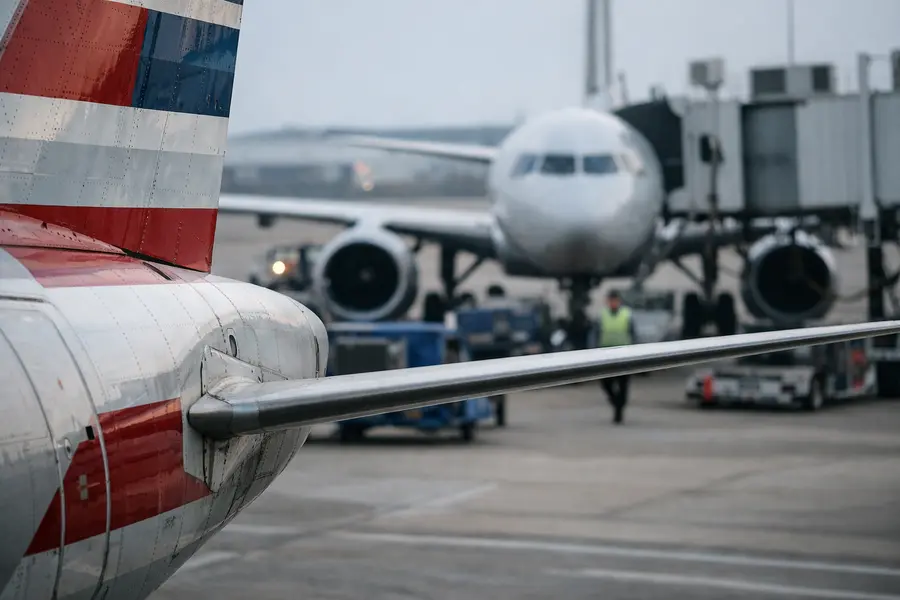
American Airlines (AAL) shares fell about 4% after it widened its 2026 loss forecast to $1.00-$1.60 a share on jet fuel near $4.70, dragging Delta and United.
- American Airlines now expects a 2026 adjusted loss of $1.00-$1.60 per share, down from a July range that ran from a 65-cent profit to a 65-cent loss.
- Jet fuel is assumed near $4.70 a gallon in the fourth quarter, close to double the year-earlier price.
- Delta (DAL) and United (UAL) each fell about 3% in sympathy as the fuel burden spread across the sector.
Lead
American Airlines Group (NASDAQ: AAL) shares fell about 4% on Thursday, October 22, after the carrier cut its full-year outlook to an adjusted loss of $1.00-$1.60 per share and said it will slow growth in 2027. The company attributed the revision to jet fuel prices near $4.70 a gallon, which have overwhelmed record revenue. Delta Air Lines (NYSE: DAL) and United Airlines Holdings (NASDAQ: UAL) each dropped about 3%.What Did American Airlines Report for the Third Quarter?
American reported a third-quarter adjusted net loss of $182 million, or 28 cents per diluted share, in line with Wall Street expectations. Revenue rose 19.3% from a year earlier to a record $16.3 billion, above the high end of the company's own guidance range, with premium cabins leading the gain.
Fuel absorbed the growth. Fuel expense climbed $1.9 billion, or 67.5%, to $4.6 billion. The airline paid an average of $3.85 a gallon in the quarter, against $2.37 a year earlier. CEO Robert Isom called the quarter the strongest year-over-year revenue growth of his career, while flagging historically high fuel costs.
Why Did the 2026 Forecast Move So Sharply?
The forecast moved because the fourth-quarter fuel assumption rose well above what the July outlook carried. Based on the forward fuel curve as of October 19, American expects to pay about $4.70 a gallon in the fourth quarter, nearly double the price in the same period of 2025.
That input reset the full-year range within four months. In July, American guided to anything from a profit of up to 65 cents a share to a loss of 65 cents. The new range of a $1.00-$1.60 loss sits entirely below the old floor and implies a deterioration of at least 35 cents at the best end of the range. Fuel is typically an airline's second-largest cost after labor, and American does not hedge its fuel exposure, which leaves earnings directly tied to spot and forward prices.
How Is American Changing Its 2027 Plans?
American plans to slow capacity growth in 2027 considerably from 2026 levels. Management intends to reduce aircraft utilization and match flying more closely to demand, rather than add seats into a market where each additional flight carries heavier fuel costs.
The shift reflects a basic trade-off. Record revenue shows fares and premium demand are holding, but the revenue gains are not covering the cost of the fuel burned to earn them. Trimming marginal flying lowers fuel consumption and protects unit revenue, at the expense of the growth the airline had previously targeted.
Why Did Delta and United Fall Too?
Delta and United fell about 3% each because they share the same cost exposure and the same fare environment. Jet fuel is priced off a common market, so a forecast built on $4.70 fuel signals comparable pressure on rivals' fourth-quarter margins, regardless of differences in network mix or premium revenue share.
The sector reaction also reflects how the market reads American's guidance. If the largest US carrier by traffic cannot offset fuel with record revenue, investors discount the odds that peers can do so without further fare increases or capacity cuts. American's move therefore set the tone for the industry ahead of its competitors' own updates.
Strategic Context
Airlines have leaned on premium cabins, loyalty programs and co-branded card revenue to stabilize margins, and those engines produced American's record third quarter. Fuel at this level tests the model. A 67.5% rise in quarterly fuel expense against a 19.3% rise in revenue shows costs outrunning sales even in a strong demand cycle.
Capacity discipline is the industry's usual response. When carriers pull back together, fares tend to firm, which can recover part of the fuel cost over time. The pace of that recovery depends on how closely rivals follow American's lead on 2027 growth.
What Comes Next for Airline Earnings?
Fuel prices will decide the next leg. The $1.00-$1.60 loss range is built on a fourth-quarter fuel assumption of about $4.70 a gallon, so a move in the forward curve in either direction shifts the result within or beyond that band. A decline in crude and refined product prices would narrow the loss, while a further rise would push it toward or past the bottom of the range.
Fourth-quarter reports from Delta and United will show whether they absorb fuel more effectively through premium and loyalty revenue, and whether they join American in restraining 2027 capacity.
Outlook
American Airlines enters the final quarter of 2026 with record revenue and a widening full-year loss, with jet fuel near $4.70 a gallon the deciding variable. The decision to slow 2027 growth and cut aircraft utilization marks a shift from expansion to cost control. Delta and United, down about 3% each, face the same fuel exposure, and the sector's direction now rests on fuel prices and how closely competitors match American's capacity restraint.