Pomegra
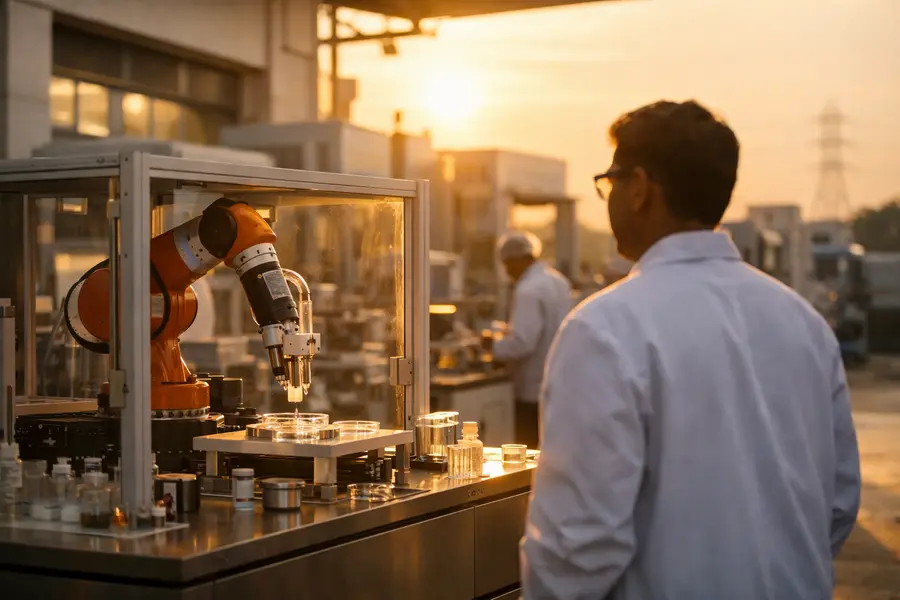
IMIO raised $12M led by Sofinnova Partners, with Chipotle's Cultivate Next, to build a Chicago plant for freeze-dried biologicals that break down crop residue.
Key Takeaways
- IMIO raised $12M, led by Sofinnova Partners, and announced the round on October 20, 2026.
- Chipotle's Cultivate Next, Starshot Capital, Grow Together Salinas, Earth Foundry and Serra Ventures also invested.
- Trials on 10,000+ Midwest acres showed an average corn yield gain of 11.9 bushels per acre.
Lead
IMIO, a maker of freeze-dried agricultural biologicals, raised $12 million in a round led by Sofinnova Partners, the company announced on October 20, 2026. Chipotle's Cultivate Next venture fund joined, alongside Starshot Capital, Grow Together Salinas, Earth Foundry and Serra Ventures. The company did not disclose a valuation.
The money will fund a new headquarters, laboratory and biomanufacturing operation in Chicago. IMIO has relocated there from Vermont, where founder and CEO Charles Smith started the company in 2019. Completion of the Chicago site is expected in the second quarter of 2027.
What Does IMIO Actually Sell?
IMIO sells microbial blends, branded Re-Gen for Row Crops and Re-Gen for Produce, that farmers spray on crop residue after harvest. The microbes break down stalks and leaves faster, releasing nutrients that would otherwise stay locked in the field debris. This differs from most biologicals, which introduce microbes to the soil or seed.
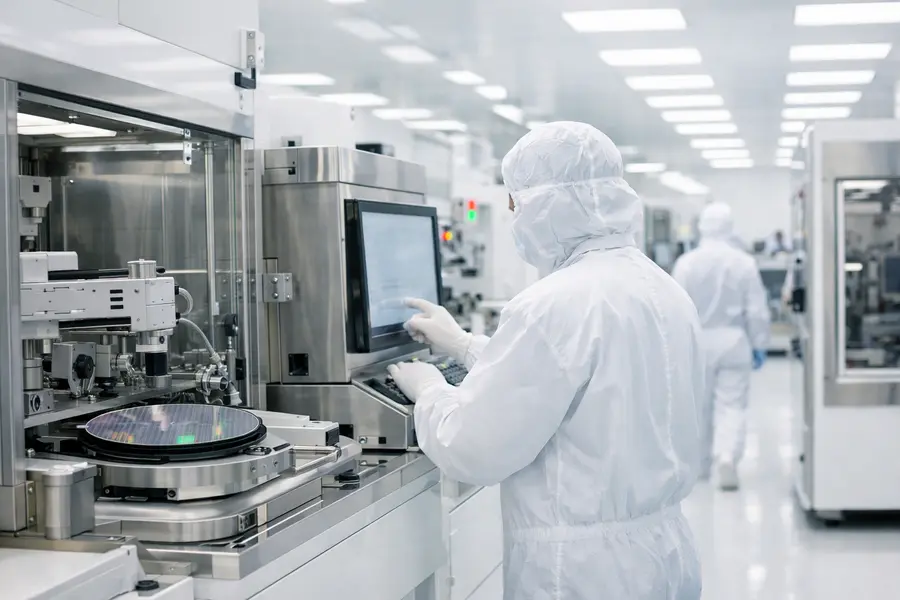
The production method is the company's main claim. Each microbial strain is grown and tested individually, blended in fixed ratios and then freeze-dried into a powder. Farmers mix the powder with water before application. Freeze-drying preserves microbial viability better than heat-based processes, particularly for the fungi that degrade lignin, the tough polymer in plant stalks.
Why Is Reliability the Selling Point?
Reliability is the selling point because inconsistent field results have been the main obstacle to wider adoption of biologicals. Smith has said farmer feedback points to consistency as the biggest challenge for trust in the category. A product that works in one season and fails in the next is hard to price against synthetic fertilizer.
IMIO's evidence so far is trial data. Tests across more than 10,000 acres in the Midwest produced an average corn yield increase of 11.9 bushels per acre, with a range from about 5 to nearly 23 bushels depending on conditions. The company also cites nutrient credits of up to $120 per acre in row crops and tillage savings of up to $120 per acre in produce. These figures come from the company and its trials, not from independent commercial-scale audits.
How Does the Round Compare With Typical Early-Stage Deals?
At $12 million, the round is large for a company that Tech Funding News put at roughly 10 employees. Classification varies: IMIO's backers and some outlets treat it as a seed round, while AgFunder News labeled it a Series A and reported total funding of $16.5 million. The gap suggests earlier capital of about $4.5 million, though the company has not itemized it.
A lead from Sofinnova, a European life-sciences investor better known for biotech than row-crop inputs, signals that the thesis rests on biomanufacturing rather than farm software. Guillaume Baxter of Sofinnova said IMIO combines biotechnology with scalable biomanufacturing. Christian Gammill of Cultivate Next said building a better food system starts with making innovation work for growers.
Who Competes With IMIO?
IMIO competes with Pivot Bio, which sells nitrogen-producing microbes, and Aphea.Bio, which sells biostimulants and biocontrol products. Both target the same farm budgets. IMIO's residue-focused approach narrows the field, but it also ties demand to a specific timing window after harvest.
The company reports about 100 customers. It sold directly to farmers at first and is now adding distributors. Scaling through distributors usually dilutes margins and reduces control over how the product is stored and applied, which matters for a product whose pitch is consistency.
What Comes Next for IMIO?
The next test is manufacturing at volume. A Chicago facility finished in 2027 would add production capacity ahead of the 2027 to 2028 application seasons. Hitting those windows will determine whether the 11.9 bushel average holds across more soil types, weather patterns and farmers who did not volunteer for trials.
Chipotle's participation adds a possible link to supply chains that reward soil-health practices, though neither side has announced a commercial arrangement. Pricing remains undisclosed. Without it, the claimed $120 per acre in nutrient credits cannot be weighed against the cost of the product.
Outlook
IMIO has funding for a Chicago plant and a distributor push, but not yet proof of consistent performance at scale. Trial yields are encouraging, and the investor group mixes biotech capital with food-system strategic money. The 2027 facility timeline and the first distributor-driven seasons will show whether freeze-drying delivers the reliability the company is selling.