Pomegra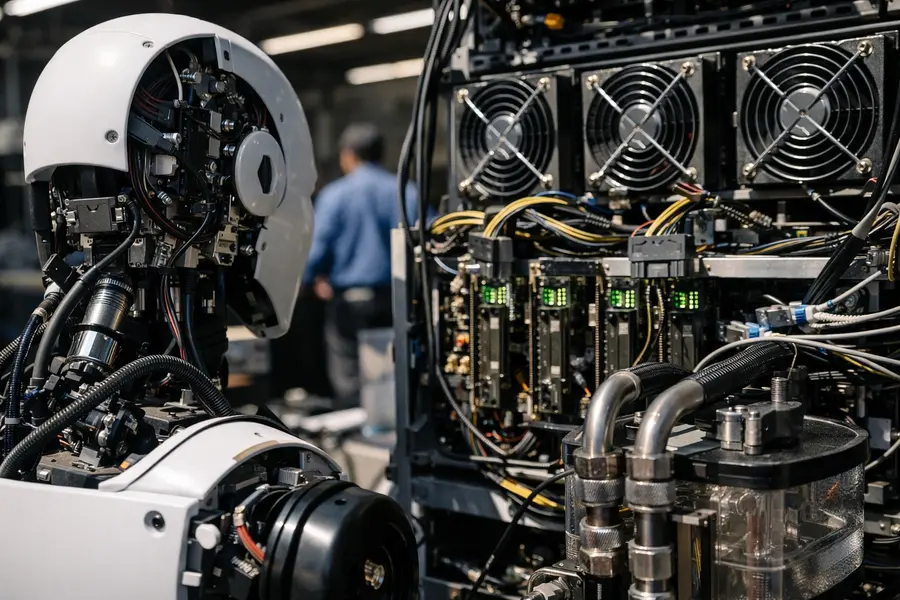
Sam Altman, Elon Musk, and Dario Amodei jointly called for a deliberate AI slowdown on safety grounds, sending Nasdaq 100 futures down 1.2% and hammering chipmakers overnight.
- The CEOs of OpenAI, xAI, and Anthropic issued a joint statement urging a voluntary moratorium on frontier AI training above a specified compute threshold.
- Nasdaq 100 futures dropped 1.2% overnight; NVDA and the broader semiconductor sector faced sharp premarket selling pressure.
- The unprecedented alignment among direct competitors raises the prospect of deferred revenue cycles, reduced compute demand, and accelerated regulatory action.
Lead
Sam Altman of OpenAI, Elon Musk of xAI, and Dario Amodei of Anthropic published a joint statement on Sunday calling for a deliberate pause in frontier AI development, citing safety evaluation frameworks that have failed to keep pace with capability gains. The announcement immediately roiled AI stocks, pulling Nasdaq 100 futures down 1.2% overnight and sending chipmakers broadly lower before Monday's opening bell - the most significant coordinated signal from AI industry leadership since the sector's current investment cycle began.
Why Did AI Stocks Drop So Sharply?
The unified stance carries exceptional market weight because these three companies compete directly at the frontier of AI development. A coordinated pause - even voluntary - implies deferred model releases, compressed product cycles, and reduced capital spending on the compute infrastructure underpinning the entire AI supply chain. Investors recalibrated near-term earnings assumptions within minutes of the statement's publication.
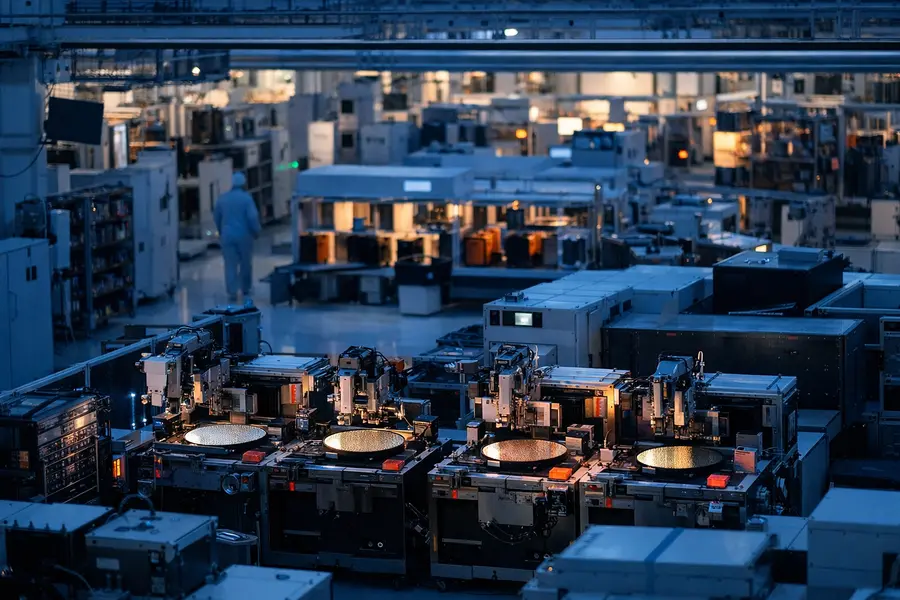
NVDA (Nvidia), the dominant supplier of AI training chips, saw shares indicated sharply lower in premarket trading. The VanEck Semiconductor ETF (SMH) and the Direxion Daily Semiconductor Bull 3X ETF (SOXL) moved in parallel. Any sustained reduction in frontier training activity would directly compress demand for high-bandwidth memory, graphics processing units, and data center networking hardware - the physical backbone of the AI buildout.What Exactly Did Altman, Musk, and Amodei Propose?
The joint statement described current frontier AI capabilities as advancing "faster than safety evaluation can verify." The three executives called for a voluntary industry-wide moratorium on training runs surpassing a defined compute threshold, pending the establishment of internationally recognized safety benchmarks. No proposed duration was specified. The statement did not address inference or deployment of already-trained models, a distinction markets will scrutinize closely in the hours ahead.
Market Reaction
The QQQ Nasdaq-100 ETF tracked futures lower, reflecting broad technology sector exposure. MSFT (Microsoft), which holds a significant stake in OpenAI, and AMZN (Amazon) and GOOG (Alphabet), each major backers of Anthropic, moved lower in premarket trading. TSLA also weakened on Musk's involvement. The selling extended beyond direct AI beneficiaries into adjacent cloud infrastructure and data center real estate names, suggesting broader concern about a structural deceleration in AI capital expenditure.
Geopolitical and Regulatory Dimension
The announcement arrives as Washington and Brussels race to establish binding AI oversight frameworks. Voluntary restraint from the three leading Western AI developers could accelerate that legislative timeline, providing governments with political cover to impose formal restrictions. The geopolitical subtext is significant: Chinese AI developers are under no such voluntary constraint, and the asymmetry raises competitive displacement concerns that Washington is unlikely to ignore.
Outlook
The immediate market response reflects deep uncertainty about scope, enforceability, and duration. If the call remains symbolic and no formal mechanism materializes, the AI investment cycle is likely to resume with limited structural damage. If the statement catalyzes a broader industry coalition or binding regulation, the implications for chip demand, cloud capex, and AI-adjacent equities could extend well beyond a single trading session. The next signals to watch are responses from other major AI developers, reactions from Nvidia's leadership, and any early legislative comment from Capitol Hill or the European Commission.