Pomegra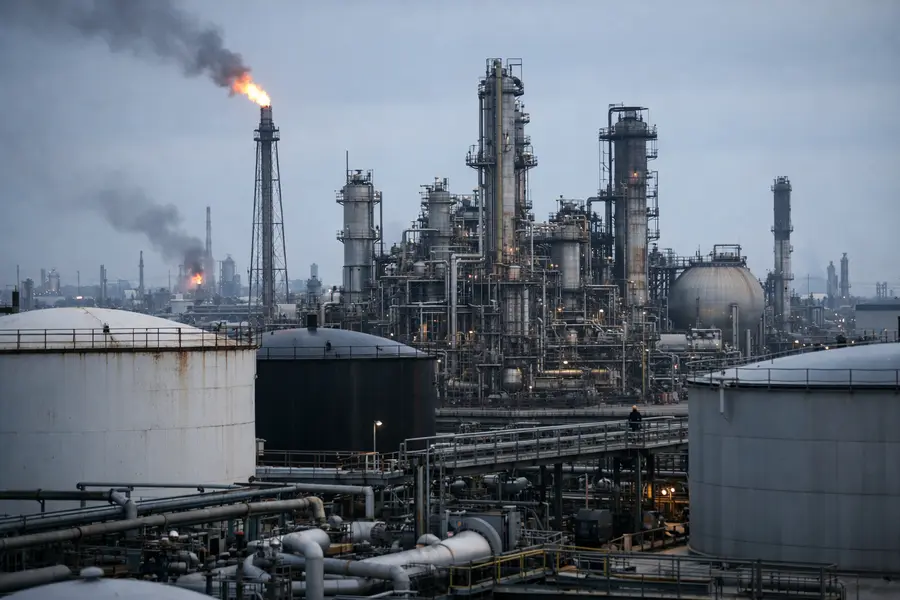
Dow lost 628 points last week as US-Iran military exchanges drove oil above $100, pushed Treasury yields to 4.97%, and lifted Fed rate-hike odds to 91% ahead of the September 15-16 FOMC meeting.
- The dow industrials average fell 628 points across the week to settle at 52,786.07, its sharpest weekly decline since early August.
- Brent crude surged to $107.63 and WTI topped $102.48 after US strikes on Iranian tankers extended a seven-month military confrontation.
- The 10-year Treasury yield climbed to 4.97%, its highest level since October 2023, as markets priced a 91% probability of a Federal Reserve rate hike next week.
Lead
The dow industrials average closed the week at 52,786.07, shedding 628 points as a convergence of geopolitical shock, energy-driven inflation, and central bank uncertainty triggered the broadest equity selloff since early summer. The S&P 500 (SPY) gave back 0.6% for the week to 7,673.52, while the Nasdaq Composite (QQQ) slid 0.7% to 26,421.41 - both indexes posting back-to-back session losses at mid-week before a partial Friday recovery. The proximate catalyst was a fresh exchange of US-Iranian military strikes that sent Brent crude above $100 a barrel for the first time since July, amplifying inflation expectations and forcing bond markets to price the most aggressive rate-hike trajectory of 2026.
What Triggered the Selloff?
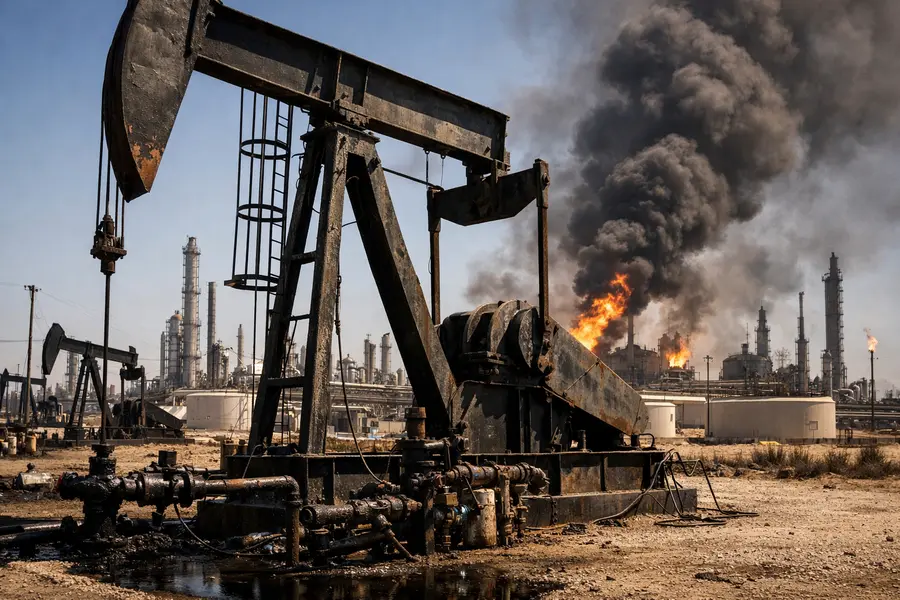
The week's pressure originated in the Persian Gulf. US forces struck three Iranian oil tankers in retaliation for Iranian ballistic missile attacks on two Navy warships, extending a military confrontation now in its seventh month. Iran-allied Houthi militants in Yemen subsequently struck Saudi energy infrastructure, forcing temporary production stoppages. The chain of events removed meaningful near-term supply from a market already running tight on OPEC+ discipline, sending West Texas Intermediate crude to $102.48 - a sixth consecutive daily advance, its longest winning streak since March - and Brent futures to $107.63, a 5.9% single-session gain at the week's peak. Oil prices rose more than 8% over the full week.
Why Did Treasury Yields Jump to a Three-Year High?
Higher oil prices feed directly into inflation expectations, and bond markets repriced accordingly. The 10-year Treasury note yield rose to 4.97%, its highest reading since October 2023. The five-year inflation breakeven rate moved to 2.46% from 2.37% at the week's open; the 10-year breakeven climbed from 2.35% to 2.40%. Those moves carry practical consequences beyond equity valuations: the 10-year yield serves as the baseline for 30-year mortgage rates, auto financing, and corporate credit spreads. A sustained breach of 5% - which FedWatch pricing now implies is likely - would tighten financial conditions materially even without the Federal Reserve taking direct action.
Equity Market Damage
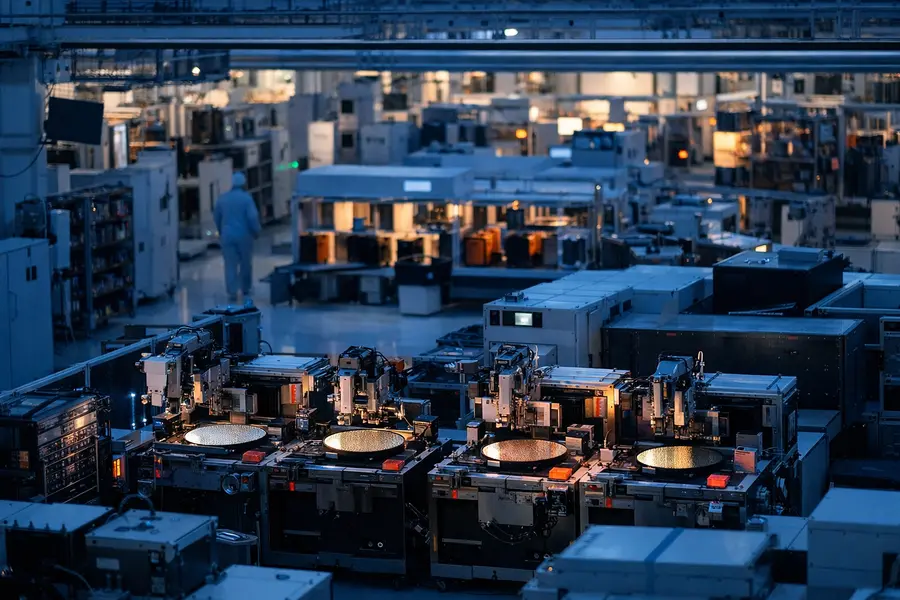
Rate-sensitive growth names absorbed the heaviest selling. Semiconductor stocks, which had led the summer recovery, were the sharpest drag on the Nasdaq through Tuesday and Wednesday. SOXL, the leveraged semiconductor ETF, amplified those moves. Nvidia (NVDA) and Broadcom (AVGO) each closed the week negative despite a Friday bounce of 0.7% and 1.1% respectively. Amazon (AMZN), Apple (AAPL), and Microsoft (MSFT) faced dual pressure from rising discount rates and the cost implications of oil above $100 for logistics and data-center energy. Walmart (WMT) underperformed consumer staples peers as analysts flagged fuel-driven margin risk.
Energy was the lone sector posting weekly gains, offsetting losses elsewhere in index-level instruments including the SPDR S&P 500 ETF Trust (SPY) and Nasdaq QQQ (QQQ). The split performance - energy rising while the broader index fell - underscores the distributional character of an oil spike: concentrated benefits, diffuse costs.
What Does the Fed Do Next Week?
Before the week's escalation, markets assigned a 71% probability to a 25-basis-point rate hike at the September 15-16 Federal Open Market Committee meeting. A hotter-than-expected August CPI reading, combined with the fresh oil-driven inflation pulse, pushed that probability to 91% on CME FedWatch. The federal funds rate currently sits at a level last seen in 2001; an additional 25 basis points would represent the most restrictive policy posture in more than two decades.
Fed Chair Kevin Warsh has signaled sustained resolve on returning inflation to the 2% target, but economic growth is visibly decelerating - making the September decision a genuine fork in the policy path. A hike validates markets and risks accelerating the slowdown; a hold surprises 91% of positioned participants and risks signaling that geopolitical inflation is beyond the Fed's mandate to address. Either outcome sets up significant interest rates volatility in the days that follow the announcement.
Geopolitical Dimension: Strait of Hormuz as a Structural Risk
The Strait of Hormuz, through which roughly 20% of globally traded oil transits daily, has shifted from episodic to persistent flashpoint over the seven months of US-Iran hostilities. Goldman Sachs raised its Brent and WTI December 2026 price forecasts by $5 to $85 and $80 per barrel respectively - revisions that current spot prices already exceed, suggesting further upward adjustments are probable if tanker traffic faces continued disruption. Energy security risk is now priced as a multi-quarter structural factor, not a transient spike.
Outlook
The September 15-16 FOMC meeting is the single most consequential policy event of the quarter. Equities face a compressed scenario set: a rate hike compresses multiples from the discount-rate side while oil compresses earnings from the cost side, creating simultaneous top-down and bottom-up pressure on valuations. A hold would provide short-term relief but embed the perception that the Fed is behind the curve on oil-driven inflation. For the dow industrials average, sustained oil above $100 and 10-year yields near 5% represent a structurally challenging backdrop through the remainder of Q3. Any ceasefire signal out of the Strait of Hormuz - or a surprise Fed hold - carries the largest upside potential for a near-term recovery.
Mentioned tickers: SPY, QQQ, SOXL, NVDA, AVGO, AMZN, AAPL, MSFT, WMT