Pomegra
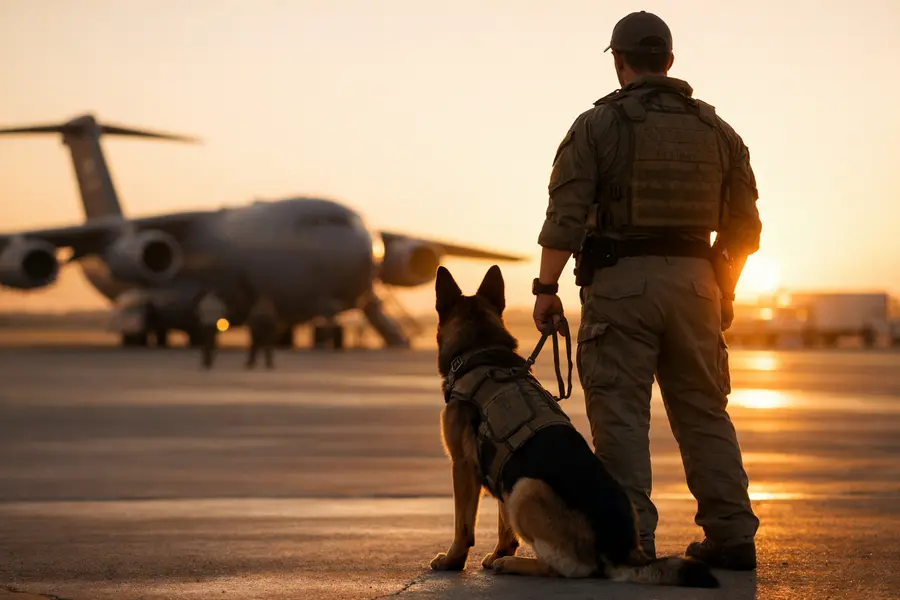
Warhound, a Texas startup backed by Colossal and Anduril founders, raised a $200M seed at a reported $1.2B valuation to clone and gene-edit US military working dogs.
Key Takeaways
- Warhound came out of stealth on October 22, 2026 with a $200M seed round at a reported $1.2B valuation.
- Sequoia Capital, In-Q-Tel, ARK Invest and Lux Capital are among the backers. No lead investor was named.
- The first cloned litters are expected in early 2027. Pricing has not been set.
Lead
Warhound, a Texas-based defense startup that plans to clone and gene-edit military working dogs, launched on October 22, 2026 with a $200 million seed round. The valuation is reported at $1.2 billion, which would make it a unicorn before it has delivered a single animal. The idea comes from Ben Lamm, co-founder and CEO of Colossal Biosciences, and Palmer Luckey, founder of Anduril Industries. David Spirk, a former Marine and the Pentagon's former chief data officer, runs the company as CEO.
Who Is Backing Warhound?
The seed round drew a mix of defense, biotech and public-market money. Named investors include Sequoia Capital, In-Q-Tel, ARK Invest, Franklin Templeton, 8VC, Lux Capital, USIT, Bob Nelsen, Breyer Capital, CAZ Investments, Neogenesis and Builders VC. The company has not named a lead investor.
A $1.2 billion valuation on a seed round is unusual by any standard. Seed-stage valuations typically sit in the tens of millions, and the figure here rests on a business that has no revenue, no price list and no delivered product. The round reads as a bet on the founders' track record and on the Pentagon as a customer, not on traction. Luckey reportedly holds no equity, according to Lamm.
What Does Warhound Actually Do?
Warhound intends to produce military working dogs through cell biobanking, cloning and gene editing, then sell them under a "Canine-as-a-Service" model. Colossal supplies the genetics platform, including cloning through its Viagen subsidiary. Anduril contributes equipment for the animals and their handlers, including protective vests, eye protection and handler software.
The company has biobanked cell lines from elite working breeds such as the Belgian Malinois and German Shepherd and has started editing its first group of dogs. Planned edits target a lower risk of hip dysplasia, vision loss and cancer, along with traits tied to performance such as speed, agility and scent detection. The American Humane Society is set to establish welfare standards and training certification, and retired dogs would go through the Military Working Dog Reunification Program.
Why Is the Military Dog Supply a Problem?
The US military relies on foreign breeders, and the yield is poor. Warhound says more than 80% of US military working dogs come from Europe, and fewer than half of those purchased qualify for service. Rising overseas costs and limited breeder capacity compound the shortfall.
That 50% washout rate is the number the whole company must beat. If cloned and edited dogs pass training at a materially higher rate, the unit economics could justify a premium price. If they do not, Warhound becomes an expensive way to produce animals that fail at the same rate as the current supply.
Can the Science Deliver?
Scientists are cautious about the timeline and the method. Lisa Moses, a Harvard bioethicist, has noted that producing one cloned puppy requires many dogs to undergo invasive procedures, and that the process is "by no means a perfect science" for surrogate mothers. Ben Novak of Revive and Restore has warned that traits like temperament and performance can involve hundreds or thousands of genetic variants, which raises the risk of unintended effects at scale. Robert Lanza, a cloning pioneer, has said the goals are achievable but that it is highly unlikely they could be reached without many failures and defects.
The company's own schedule is tight. First cloned litters are expected in early 2027, with dogs entering service within about two years of birth. Working dogs also need months of training, so any evidence on pass rates will arrive well after the capital has been deployed.
What Comes Next for Warhound?
The next milestones are the first litters in early 2027 and the first pass-rate data from training. Customers named by the company include the Department of Defense, the individual military services, police departments and first responders, though no contracts have been disclosed. Pricing remains undisclosed.
Three scenarios stand out. Cloned dogs could match elite performance and win procurement contracts, which would validate the valuation. Gene edits could prove harder to deliver than cloning, leaving Warhound as a premium cloning service. Or welfare and regulatory scrutiny of gene-edited animals could slow adoption by government buyers.
Outlook
Warhound enters the market with $200 million, a $1.2 billion reported valuation and two high-profile founders, but with no product in service. The test is whether cloned and edited dogs improve on a sub-50% training pass rate. Early 2027 litters will provide the first physical evidence, and the follow-on evidence on service performance will take longer.