Pomegra
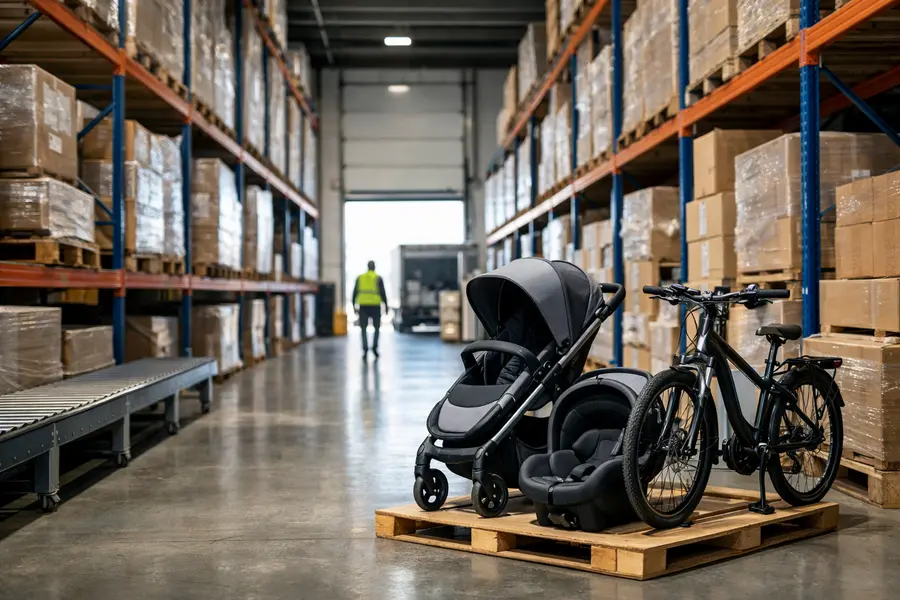
StrollMe, the Frankfurt-based children's mobility subscription startup, has closed a €22 million round of equity and debt to grow its rental fleet across Germany, Austria and the Netherlands.
Key Takeaways
- StrollMe closed €22M on October 29, 2026, combining equity with a credit facility from Growth Credit Partners.
- BMH joined as a new equity investor through its Hessen Kapital I fund. Hanse Ventures, HGDF and JOSS returned.
- Revenue grew about 70% in 2025, and the platform has passed 100,000 rental transactions.
Lead
StrollMe, a Frankfurt am Main startup that rents out children's bikes, strollers and car seats by subscription, announced a €22 million financing on October 29, 2026. The package pairs equity from existing and new shareholders with a credit facility from London-based Growth Credit Partners. The company will spend the money on a larger rental fleet and wider product availability in Germany, Austria and the Netherlands.
The split between equity and debt was not disclosed. Neither was the valuation, and the company has not labelled the round with a stage.
Who Backed the Round?
The equity side is a mix of returning and new shareholders, with no single lead investor named. Existing backers Hanse Ventures, HGDF, JOSS and business angel Kristina Schreiner, who is part of the better ventures network, all participated again. The new equity investor is BMH Beteiligungs-Managementgesellschaft Hessen, investing through its Hessen Kapital I fund.
Growth Credit Partners supplies the senior secured credit facility. A fleet-based rental business is asset-heavy, and borrowing against bikes and strollers that can be refurbished and re-rented is a more natural fit for debt than for venture equity.
Lena Lang, Senior Investment Manager at BMH, said the circular economy needs business models that can scale.
What Does StrollMe Actually Sell?
StrollMe rents children's bicycles, balance bikes, strollers, car seats and accessories on a subscription basis. The catalogue carries brands including Woom, Bugaboo, Doona, Nuna and Thule. Families pay a recurring fee instead of buying products that children outgrow within months or a few years.
After each rental period the company refurbishes the item and puts it back into circulation. When a product reaches the end of its rental life, it is sold through a sister brand, Kiddly, as refurbished stock. The company has completed more than 100,000 rental transactions since launch.
How Big Is the Business, and How Does This Round Compare?
Revenue grew roughly 70% in 2025, though absolute revenue figures were not disclosed. That makes the growth rate impossible to size against the €22 million raised.
The round is far larger than anything StrollMe has previously reported. Funding databases list a seed round in April 2021 involving Edition.VC and Hanse Ventures, followed by a €3.6 million seed round in November 2023 backed by Hanse Ventures and Christoph Behn. Against that history, €22 million is a sixfold step up on the last disclosed figure, although the mixed equity-and-debt structure means the new equity cheque is smaller than the headline.
Co-founder and managing director Sebastian Reichelt said the combination of equity from existing and new investors and the Growth Credit Partners facility allows the company to expand its fleet significantly. The company has pointed to supply constraints that left some customer demand unmet, which suggests inventory, not demand, has been the bottleneck.
Why Does Debt Matter in a Rental Model?
Debt matters because rental businesses convert capital into inventory before they earn a euro, and each unit must be rented many times to pay back its purchase cost. Funding that purchase with equity dilutes founders at every step of fleet growth, while asset-backed credit does not.
The risk sits in utilization and residual value. A stroller that sits in a warehouse earns nothing, and a car seat that fails safety standards or goes out of fashion cannot be resold at the margins the model assumes. The Kiddly resale channel is the company's answer on the second point, but resale prices on refurbished goods are not disclosed.
Competitors in baby-gear rental and subscription run on similar economics, and the sector has seen thin margins when fleet turnover lags. StrollMe's 70% growth in 2025 suggests the unit economics are working at its current scale, but without disclosed profitability, that remains unverified.
What Comes Next for StrollMe?
The company says the round lays the groundwork for further European expansion, with no specific markets or timelines announced. Near term, the stated priority is a bigger fleet and better availability of popular products in its three existing countries.
Two things will determine whether the structure holds. The first is fleet utilization as inventory rises, which will show whether demand was truly outpacing supply. The second is how much of the credit facility is drawn and at what cost, details the company has not published. A regional public investor such as BMH joining the cap table also signals that Hessen institutions see the circular-economy angle as fundable, which may help the company with later, larger rounds.
Outlook
StrollMe has the funding to buy inventory it says it was previously unable to supply, and it enters 2027 with 100,000-plus rentals behind it and growth near 70%. The missing pieces are the equity-debt split, valuation and profitability, and these will shape how the market reads the round. If utilization holds as the fleet grows, a first cross-border expansion beyond Germany, Austria and the Netherlands is the logical next step.