Pomegra
Xi Jinping said Taiwan reunification must be achieved as Taipei rejected talks, 29 Chinese aircraft joined warships on patrol and the G7 warned Beijing.
- Xi said on Nov. 12 that reunification "must be realized, and it will certainly be realized."
- Taiwan reported 29 Chinese aircraft on a joint combat readiness patrol with warships.
- G7 foreign ministers said China's activity east of Taiwan threatens shipping and stability.
Lead
Chinese President Xi Jinping declared on Thursday, Nov. 12, that the "complete reunification of the motherland must be realized, and it will certainly be realized." He spoke at the Great Hall of the People in Beijing at an event marking the 160th anniversary of Sun Yat-sen's birth. Taiwan's government rejected the offer of dialogue the same day. Its defense ministry reported 29 Chinese military aircraft operating with warships in a "joint combat readiness patrol" around the island. The speech came a day after the G7 foreign ministers warned that China's growing activity east of Taiwan endangers regional stability and international shipping.
What Did Xi Jinping Say About Taiwan?
Xi framed reunification as an "unwavering historical mission" of the Communist Party and said "the tide of history cannot be stopped." He reaffirmed Beijing's commitment to "peaceful reunification" under the "one country, two systems" formula and said China is ready for dialogue with Taiwan if it accepts the one-China principle. He did not mention the use of force in the remarks.
The timing matters. Xi is due to host an APEC summit in Shenzhen about a week later, where he is scheduled to meet US President Donald Trump again. Taiwan holds local elections a little more than two weeks after the speech. Beijing has used such occasions to restate its position while keeping the diplomatic calendar intact.
Why Did Taiwan Reject the Offer of Talks?
Taiwan rejected the offer because it does not accept the premise of the one-China principle or the "one country, two systems" model. Liang Wen-chieh, spokesperson for the Mainland Affairs Council, said the wording on unification was not much different from past statements. The council said neither the government nor the people of Taiwan could accept "one country, two systems," which it considers incompatible with the island's democratic system.
President Lai Ching-te holds that only Taiwan's citizens can decide the island's future. He rejects Beijing's characterization of him as a separatist. Beijing has refused official contact with his administration since he took office, so the offer of dialogue carries a condition that Taipei has declined to meet.
What Did Taiwan Report About the Chinese Military Patrol?
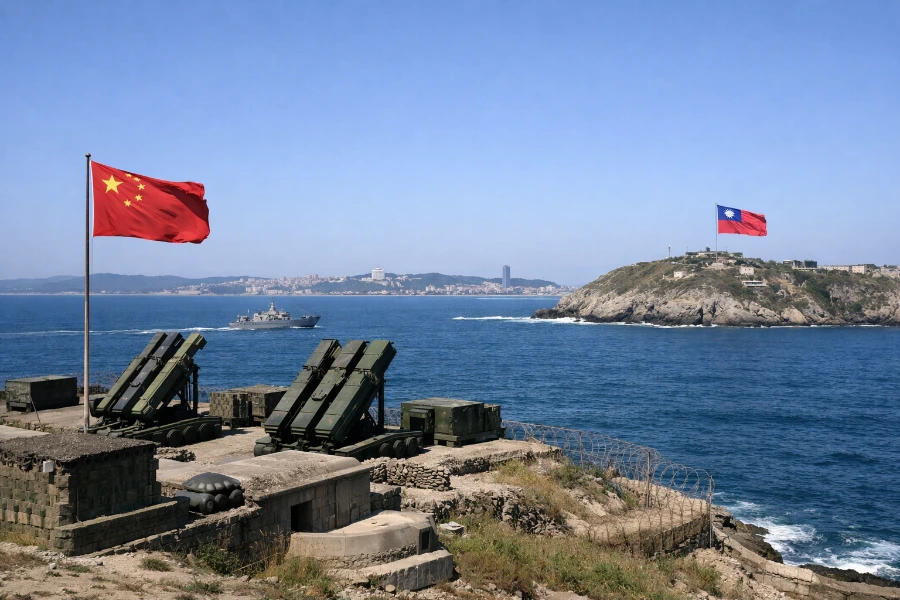
Taiwan's defense ministry detected 29 Chinese military aircraft, including J-16 fighter jets and drones, on Thursday as part of a joint combat readiness patrol with Chinese warships. Of those aircraft, 22 crossed the median line of the Taiwan Strait or its extensions. They operated in areas north, center, southwest and east of the island.
The pattern is familiar. Beijing stages such patrols at politically sensitive moments, and the Chinese military describes them as routine readiness operations. Taiwan's National Security Council secretary-general, Joseph Wu, has said China is the sole source of instability in the Asia-Pacific region. Taiwan's defense ministry said its forces responded to the activity.
Why Did the G7 Single Out Waters East of Taiwan?
The G7 singled out the area because China has built up a sustained presence there. In a declaration issued on Wednesday after a meeting of foreign ministers in Paris, the group said China's increasingly assertive activities in the waters east of Taiwan "threaten regional stability, freedom of navigation and the safety of international shipping." The ministers also stressed the importance of peace and stability across the Taiwan Strait.
China has stepped up regular coast guard patrols off the island's east coast since June. Taiwanese officials read the pattern as practice for a potential maritime blockade that would combine military, paramilitary and civilian assets. The east coast matters because it is the open-ocean approach to Taiwan, away from the strait where defenders are strongest. Taiwan's Presidential Office welcomed the G7 statement and called peace in the Strait essential to global security and prosperity.
Geopolitical Dimension
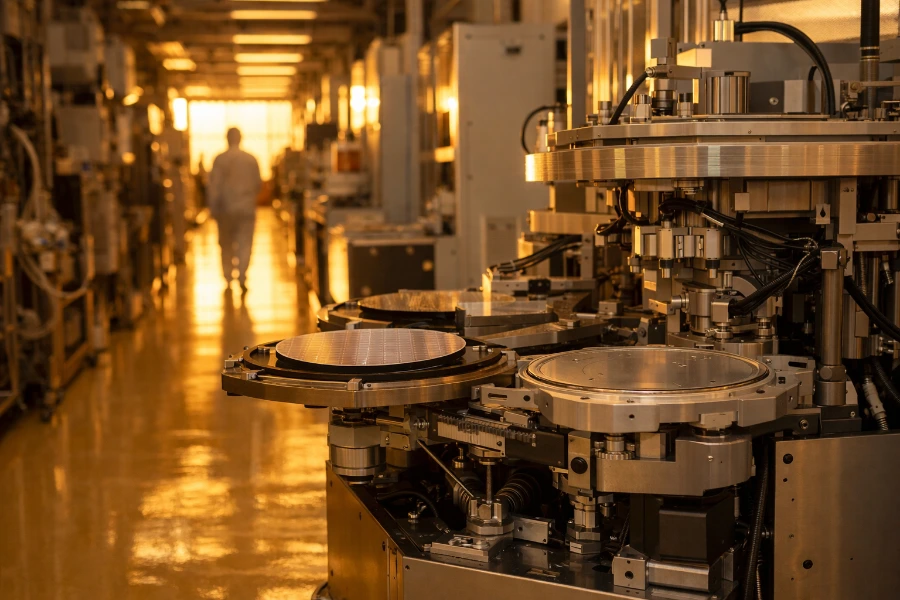
The economic stakes run through shipping lanes and semiconductors. The Taiwan Strait and the waters to its east carry a large share of global container traffic and the sea routes linking Northeast Asia to the Pacific. Taiwan is also the base for advanced chip manufacturing, led by Taiwan Semiconductor Manufacturing Co. (TSM), whose output feeds the global AI and consumer electronics supply chains. Any interruption, whether a blockade, a quarantine or insurance withdrawal, would reach into every major technology sector.
For now, the rhetoric and the patrols remain below the threshold of a blockade. The combined message of Xi's speech, which stresses peaceful means while asserting inevitability, and the military signaling reflects a long-standing Beijing approach: maintain pressure on Taipei without triggering a crisis ahead of high-level diplomacy with Washington.
What Comes Next for Cross-Strait Tensions?
The next three weeks hold the key near-term tests. The APEC meeting in Shenzhen will show whether Trump and Xi address Taiwan directly and whether Beijing tempers military activity around the summit. Taiwan's local elections in late November will test public support for the governing party's approach to Beijing. A further patrol or drill during that window would indicate whether the east coast buildup is becoming a permanent feature of Chinese pressure.
Over a 3 to 12 month horizon, the central risk is gradual normalization. Each patrol that crosses the median line or operates east of the island shifts the baseline of what Taipei and its partners treat as routine. That raises the cost of any later reversal and narrows the warning time if activity escalates.
Outlook
Xi restated that reunification is non-negotiable, Taipei refused the terms of talks, and Beijing backed its words with a 29-aircraft patrol alongside warships. The G7's focus on waters east of Taiwan places shipping security at the center of the dispute. The Shenzhen summit and Taiwan's local elections will determine whether the diplomatic track holds or whether military signaling intensifies.
Mentioned tickers: TSM