Pomegra
The CBOE Volatility Index surged 14% on July 14, 2026, as U.S.-Iran hostilities over the Strait of Hormuz sent the stock fear index to its highest level in weeks, triggering a broad equity selloff and record put-option buying.
- The VIX spiked 14.2% to 17.16 on July 14 as US-Iran military escalation in the Strait of Hormuz rattled investor confidence.
- S&P 500 fell 0.79% to 7,515.34; Nasdaq dropped 1.55% to 25,873.18, with semiconductor names leading losses.
- Brent crude surged 3.3% to $78.48/barrel; front-month VIX futures repriced to 17.55, widening sharply above the spot close.
Lead
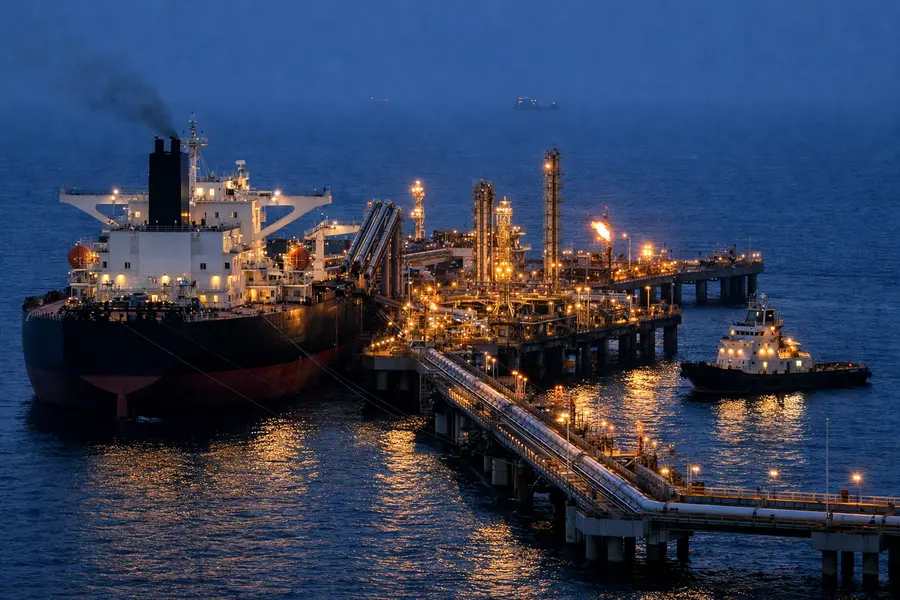
The CBOE Volatility Index — Wall Street's primary gauge of expected equity volatility and widely known as the stock fear index — jumped 14.2% on Monday, July 14, 2026, closing at 17.16 as fresh military exchanges between the United States and Iran pushed institutional investors into aggressive defensive positioning. The VIX spike extended an already tense stretch for global markets, coming one session after U.S. forces struck Iranian assets in response to attacks on commercial shipping traversing the Strait of Hormuz — one of the world's most critical choke points for crude oil transit.
What Happened
President Donald Trump, over the weekend of July 12-13, announced the re-imposition of a blockade on Iranian shipping through the Strait of Hormuz and outlined a 20% "protection tax" on cargo transiting the waterway, framing the United States as the route's security guarantor. Iran responded with threats to close the strait entirely and, according to multiple reports, launched strikes against U.S. facilities in the Persian Gulf.
By the Monday open in New York, markets had already absorbed a weekend of escalatory headlines. The S&P 500 shed 0.79%, closing at 7,515.34. The Nasdaq Composite fell 1.55% to 25,873.18, dragged lower in part by a broad sell-off in semiconductor stocks as investors reassessed supply-chain exposure to any sustained Hormuz disruption. Declining issues outnumbered advancers by a roughly 2-to-1 ratio on the Nasdaq and by a 1.63-to-1 margin on the NYSE.
Market Reaction
The VIX spike was the most immediate expression of investor anxiety. The index had closed the prior Friday at 15.02 — itself elevated — but front-month VIX futures had already begun repricing war-weekend risk, rising 3.5% to 17.55 by the Friday close, a widening premium to spot that signaled where professional hedgers anticipated volatility was heading.
Options markets reflected a pronounced surge in demand for hedging against war risk. Institutional participants accelerated purchases of protective put options — derivatives that pay off when equity indices fall — to insulate portfolios from further downside. Cboe data showed open interest in near-dated S&P 500 puts reaching historically elevated levels, consistent with broader reports that investors are currently holding the largest collective put protection in market history.
Volatility products tied to the VIX — including VIX calls and futures — also saw heavy flow, as portfolio managers sought instruments that rise in value if equity turbulence deepens. The VIX9D, a nine-day variant of the stock fear index, fell 10.8% to 11.15 on Friday as the weekend risk had not yet been priced in the very short-dated contract, but the mismatch between that level and front-month futures underscored how abruptly the geopolitical calendar reset expectations.Commodities and Sector Divergence
Brent crude futures advanced 3.3% to $78.48 per barrel. West Texas Intermediate climbed an equivalent 3.3% to $73.78. Both benchmarks moved sharply on concerns that any Iranian closure — even a partial or temporary one — of the Strait of Hormuz would immediately constrict the roughly 20% of global crude supply that passes through the waterway daily.Energy equities outperformed. Oil and gas names gained approximately 1.37% in aggregate as the commodity-price tailwind more than offset broader risk-off sentiment. Industrials and financials declined more modestly. Technology and semiconductors absorbed the sharpest sector losses, as chip companies with significant manufacturing and customer bases in Asia face disproportionate exposure to any escalation in shipping disruptions or broader U.S.-Iran conflict spillover.
Geopolitical Dimension
The July volatility episode is the latest in a sequence of geopolitical shocks that have periodically spiked the VIX throughout 2026. In March, a combination of elevated global tensions and "higher-for-longer" interest rate expectations drove the index above 30 — a threshold widely regarded as signaling extreme uncertainty. The July 14 reading of 17.16, while elevated in isolation, sits at a more moderate level by recent standards, suggesting markets are pricing in a serious but bounded risk rather than systemic breakdown.
The Strait of Hormuz scenario nonetheless commands particular attention because of its structural importance. Any sustained closure or credible threat to shipping freedom would filter quickly into global energy inflation, freight costs, and supply-chain timelines for manufacturers reliant on Gulf-region inputs. Insurance premiums for vessels transiting the waterway have already moved higher in response to recent weeks of U.S.-Iran brinkmanship.
The re-emergence of a formal U.S. "protection" framework for Hormuz transit adds a transactional dimension to the longstanding U.S. naval presence in the Gulf. Whether trading partners, particularly major crude importers in Asia, accept the proposed 20% levy or seek alternative routing and sourcing arrangements will shape the commercial and diplomatic fallout in coming weeks.
Hedging Activity in Context
The record level of hedging against war risk visible in options markets reflects a broader portfolio shift that has been building for months. Since early 2026, elevated geopolitical uncertainty — spanning the Middle East, Asia, and ongoing trade friction — has led institutional allocators to maintain higher-than-typical levels of downside protection. The current environment, in which protective puts are held in near-record volume, has a dual effect: it cushions the magnitude of equity drawdowns during shock events but simultaneously sustains elevated implied volatility, because the demand for protection itself bids up option premiums and by extension the VIX.
Outlook
Whether the VIX spike of July 14 marks a peak or an entry point into a wider volatility regime depends on the trajectory of U.S.-Iran negotiations. A ceasefire or diplomatic de-escalation would likely allow the stock fear index to retrace toward the low-to-mid teens. Sustained hostilities, a genuine threat to Hormuz shipping, or additional U.S. military action would push the index back toward the 20–25 range that has defined prior conflict-driven volatility episodes. Equity markets, particularly the technology sector, remain exposed to further deterioration. Energy shares are positioned to benefit in either scenario, given the oil-price floor that Hormuz risk provides.
Mentioned tickers: ^VIX, SPX, COMP, BNO, USO