Pomegra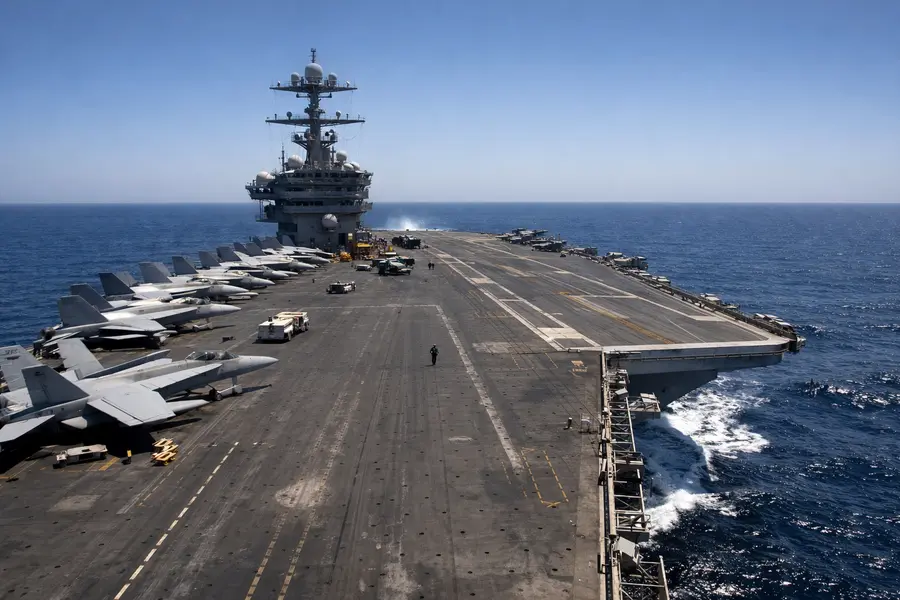
The USS Theodore Roosevelt strike group and 2,000 Marines are headed to the Middle East as Trump calls post-midterm Iran strikes possible and oil rises.
- The USS Theodore Roosevelt group carries more than 7,000 sailors and about 2,000 Marines and could arrive by the end of October.
- Trump said stepped-up strikes on Iran are "possible" after the 3 November midterm elections.
- Brent crude rose 4.4% to $102.31 a barrel on 1 October and has gained more than 18% in September.
Lead
The United States is sending the USS Theodore Roosevelt carrier strike group and thousands more Marines to the Middle East. The move widens Washington's options against Iran after talks collapsed this week. The carrier left its San Diego home port on Sunday. It travels with the cruiser USS Chosin and an amphibious group built around the USS Makin Island, which includes the USS John P. Murtha and USS Anchorage. Together the ships carry more than 7,000 sailors and about 2,000 Marines.
On 1 October Trump said new strikes on Iran after the midterms are "possible," adding that "we have a lot of weapons" and that military action "could resume and continue if necessary." He also said Iran is "ready to fold up" and that he expects the United States to prevail "right after the election."
What Is the US Sending to the Middle East?
The US is sending a carrier strike group, a cruiser and an amphibious readiness group with roughly 9,000 personnel. Arrival could come as early as the end of October. That would put three carriers in the region at once for the first time since April 2026.
The USS George H.W. Bush and the USS George Washington, a Pacific-based carrier that was repositioned, are already there. So is the amphibious ship USS Boxer. The addition of the Theodore Roosevelt group and the Makin Island group gives commanders more strike aircraft, more air defense and a larger Marine landing force than they have now.
Why Did Trump Tie Escalation to the Midterms?
Trump tied escalation to the midterms because the White House is managing energy costs and war risk before voters go to the polls on 3 November. Trump has promised that energy costs will come down "rapidly, rapidly." He has also declined to say where any new strikes would fall. Asked where the US would bomb, he said he could not tell reporters.
The timing also follows the failure of diplomacy. Trump rejected an Iranian offer to reopen the Strait of Hormuz within seven days, saying it was "not the deal that I want" and "not good enough." Direct talks in New York broke down. Iran says it remains open to dialogue.
What Is Happening in the Strait of Hormuz?
Commercial vessels are still transiting the Strait of Hormuz, but under US military protection and with rising risk. On 30 September, three ships were struck by unidentified projectiles, according to UK maritime authorities. About a fifth of globally traded oil normally passes through the strait. Any sustained disruption raises freight, insurance and fuel costs well beyond the Gulf.
How Is the Crude Oil Price Responding?
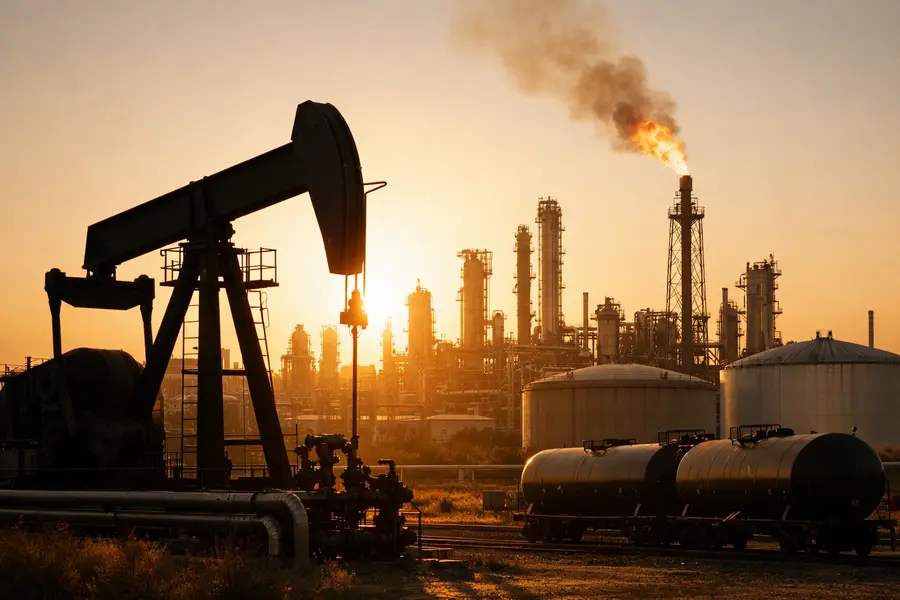
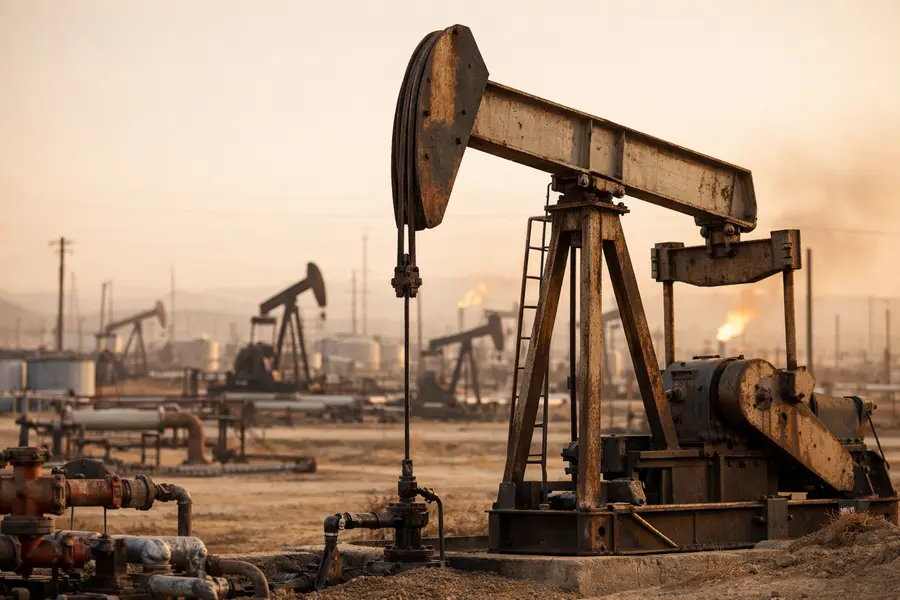
The crude oil price jumped on the deployment news. Brent rose 4.4% to settle at $102.31 on 1 October, after a September in which benchmark prices gained more than 18%. US crude had crossed $100 earlier in the month, fell back on talk of negotiations at the United Nations, and rallied again once Trump rejected the Iranian offer.
Markets are trading on two scenarios. A negotiated reopening of the strait would pull Brent back toward the mid-$90s. A resumed bombing campaign would put prices near $120. The gap between those outcomes explains why each carrier movement and each presidential statement now moves futures. A threat that Trump made earlier this month to "blow up" Iran did not lift prices at the time. Physical deployments have had a larger effect than rhetoric.
Strategic Context
The buildup follows a pattern of force posture shifting ahead of diplomatic deadlines. A third carrier raises the ceiling of what the US can do in the region without drawing down other theaters. It also stretches the Navy. The George Washington normally anchors the Western Pacific, so its move to the Middle East leaves a thinner presence near East Asia. The Theodore Roosevelt's departure from San Diego adds to that strain.
Iran's options are mostly asymmetric. They include attacks on shipping, missile and drone strikes on Gulf infrastructure, and harassment of vessels in the strait. The strikes on three ships on 30 September fit that pattern. The larger the US presence, the more targets Iran has within range, and the greater the risk that one incident escalates.
What Comes Next?
Three things will shape the next several weeks. The first is whether the Theodore Roosevelt group reaches the region by the end of October, ahead of the election. The second is whether any back channel to Tehran reopens, since Iran has said it is open to talks and the White House says its terms are not yet met. The third is the security of Hormuz transits, which will decide whether oil holds above $100.
For energy importers in Europe and Asia, the near-term (3 to 12 months) exposure is higher fuel costs and shipping insurance premiums. For governments, the question is whether the post-election window becomes a period of new strikes or of renewed bargaining from a stronger military position.
Outlook
Washington is building a three-carrier force in the Middle East just as diplomacy with Iran has stalled and the midterms approach. Trump has left open stepped-up strikes after 3 November. Oil near $102 a barrel reflects a market pricing in that risk without yet pricing in a full-scale resumption of the bombing campaign. Arrival of the Theodore Roosevelt group, the status of the Strait of Hormuz and any movement on talks will set the direction through the end of the year.
Mentioned tickers: None