Pomegra
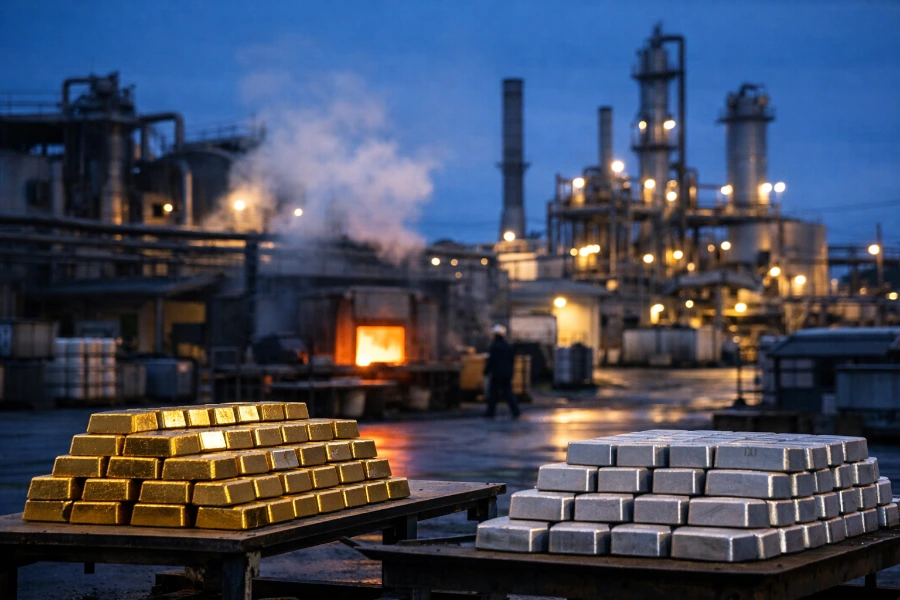
Gold near $3,860 and silver below $47.50 hit one-year lows as a stronger dollar and 10-year yields above 5% fuel bets on a Federal Reserve rate hike.
- Gold fell to about $3,860 an ounce, its lowest level since October 2025, after a weekly drop of more than 4%.
- Silver slid below $47.50, a yearly low, as the dollar index climbed above 103 for the first time since April 2025.
- The 10-year Treasury yield passed 5.10% after strong October payrolls revived expectations of tighter policy.
Lead
Gold and silver dropped to their lowest levels in more than a year on Monday, November 16. Spot gold traded near $3,860 an ounce and silver fell below $47.50, extending a week of heavy selling. A firmer dollar and rising government bond yields made non-yielding metals less attractive to holders. The slide has erased the autumn rally and pushed both metals well under the levels that defined most of the past year.
What Happened to Gold and Silver Prices?
Gold fell about 4% over the past week, with spot prices touching $3,852 on Thursday, November 12, the lowest since October 2025, before steadying near $3,880 on Friday and slipping again this week. Gold had held above $4,000 for much of the recent period, and the break below that round number accelerated selling.
Silver fell harder. The metal dropped 2.6% on Friday to $48.65, then extended losses to a yearly low of about $47.34 before trading below $47.50. Silver is more volatile than gold because of its industrial demand base and thinner market, so it tends to amplify moves in the senior metal.
Exchange-traded products tracking the metals followed. The SPDR Gold Shares fund (GLD) and the iShares Silver Trust (SLV) both fell to 12-month lows, with the gold fund shedding 2.8% in a single session during the week.
Why Are Yields and the Dollar Rising?
Yields and the dollar are rising because the U.S. economy keeps surprising to the upside, which has pushed back expectations for lower interest rates. October payrolls rose by 165,000, against a forecast of about 65,000, and a hotter inflation reading followed. Traders now price some chance that the federal reserve raises rates again rather than cuts them.
The 10-year Treasury yield closed Thursday at 5.10%, 24 basis points above its close a week earlier, in the steepest weekly jump since April 2025. The inflation-protected 10-year yield, or real yield, stood near 2.86%. Real yields are the central measure for gold, because they represent what investors forgo by holding a metal that pays no interest. A higher real yield raises that opportunity cost directly.
The dollar index moved above 103, its highest since April 2025. A stronger dollar makes dollar-priced metals more expensive for buyers using euros, yen, rupees or other currencies, which dampens physical demand and adds to the pressure on futures.
How Does a Possible Rate Hike Change the Gold Trade?
A possible rate hike weakens the case for gold because it lifts both yields and the dollar at once, the two variables that have historically moved against the metal. For most of the past two years, gold advanced on central bank buying, geopolitical risk and expectations of easier policy. The policy leg has now reversed.
Market-implied rate paths have shifted toward a firmer stance, and inflation that remains above the Fed's 2% target gives policymakers less room to ease. In that setting, bond coupons above 5% compete directly with bullion for institutional allocations. Leveraged and momentum funds that bought the earlier rally have also been forced to sell, which has deepened the declines as technical support levels gave way.
Mining shares have fallen alongside the metals, since producers' margins depend on the ounce price while costs for energy and labor remain elevated.
Market Reaction
Equity and bond markets have absorbed the same repricing. Rising yields have weighed on rate-sensitive sectors, and the move in long-dated Treasuries has been the main driver across asset classes. Precious metals stand out because they offer no cash flow, so they respond to discount-rate shifts more than most assets.
Weekly losses of more than 4% in gold are uncommon for a market of its size and mark the sharpest retreat since the autumn peak. Silver's decline from above $50 earlier this month to below $47.50 represents a drop of roughly 5% in under two weeks.
What Comes Next for Gold and Silver Prices?
The next direction for gold and silver depends on the data that shapes Fed expectations. Upcoming inflation readings and labor figures will determine whether markets keep pricing a rate hike. Softer prints would lower yields and the dollar, giving the metals room to recover. Another strong report would extend the pressure, with the $3,800 area in gold and the mid-$40s in silver the next levels watched by traders.
Longer-term supports remain in place. Central banks have been consistent buyers of gold, and geopolitical risks and fiscal deficits continue to underpin demand for hard assets. These factors have not offset the near-term effect of higher real yields, but they limit how far the metals have typically fallen in past tightening scares.
Outlook
Gold near $3,860 and silver under $47.50 reflect a market adjusting to a higher-for-longer rate environment, with the 10-year yield above 5% and the dollar at its strongest in more than a year. The path from here turns on whether the Federal Reserve confirms a tighter stance or the recent data proves to be a short-lived surge.
Mentioned tickers: GLD, SLV