Pomegra
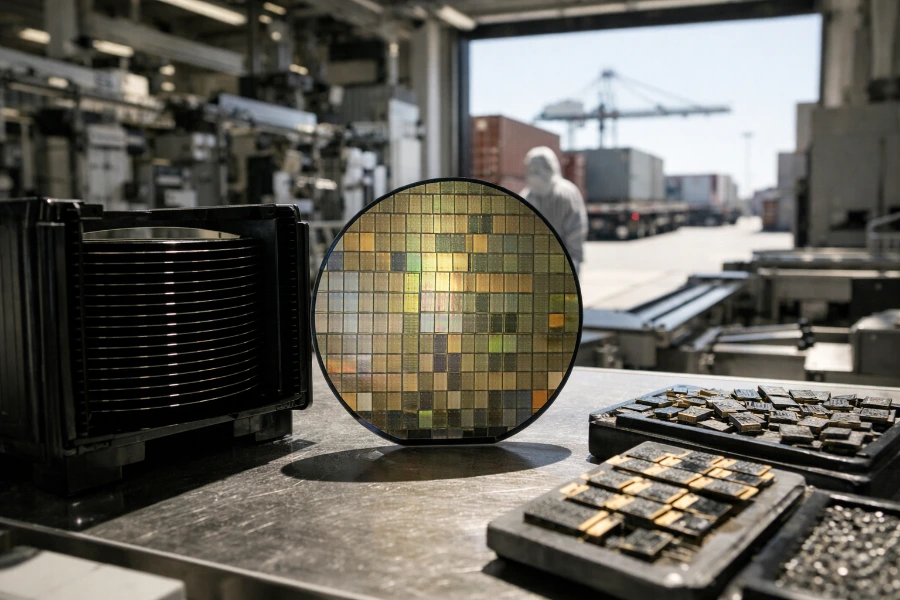
Trump and Xi meet Nov. 19 at APEC in Shenzhen, where chip export curbs, a tariff truce expiring Jan. 10 and rare earth supply will shape US-China trade.
- Trump and Xi hold a bilateral meeting and working lunch on Nov. 19 at the APEC summit in Shenzhen.
- The US-China trade truce runs to Jan. 10, 2027; China paused its extra 24% tariff on US goods from Nov. 10.
- Washington says export controls are off the table, while Beijing warns of rare earth retaliation if chip curbs tighten.
Lead
President Donald Trump and Chinese President Xi Jinping are set to meet on Nov. 19 on the sidelines of the Asia-Pacific Economic Cooperation summit in Shenzhen, which runs Nov. 18-19. The meeting is the leaders' third of 2026, following encounters in May and September. It comes as a two-month extension of the trade truce nears its Jan. 10, 2027 expiry. The talks will test whether the world's two largest economies can hold a fragile settlement on tariffs, advanced semiconductors and critical minerals. The White House has also confirmed a separate trilateral session with Russian President Vladimir Putin the same day, with nuclear arms control and the Iran war on that agenda.
What Is on the Agenda When Trump Meets Xi?
The agenda centers on preserving the status quo in trade, with chips, rare earths and agricultural purchases as the main bargaining items. Trump is scheduled to hold a bilateral meeting and working lunch with Xi on Thursday afternoon. The two governments are also building a nascent dialogue on artificial intelligence, launched under a September agreement that created a technology communication channel. Treasury Secretary Scott Bessent has outlined themes for that track, including evaluating advanced models before release, preserving human control and setting up a direct channel for reporting incidents.
Officials on both sides are expected to steer toward extending the truce beyond January rather than seeking a comprehensive deal. A US official has said no formal agreement is expected from the broader Shenzhen meetings.
Will US Chip Export Controls Change?
Washington's stated position is that export controls are not negotiable, so no formal change is expected at the summit. The US government has said that in all discussions with China, export controls are not on the table.
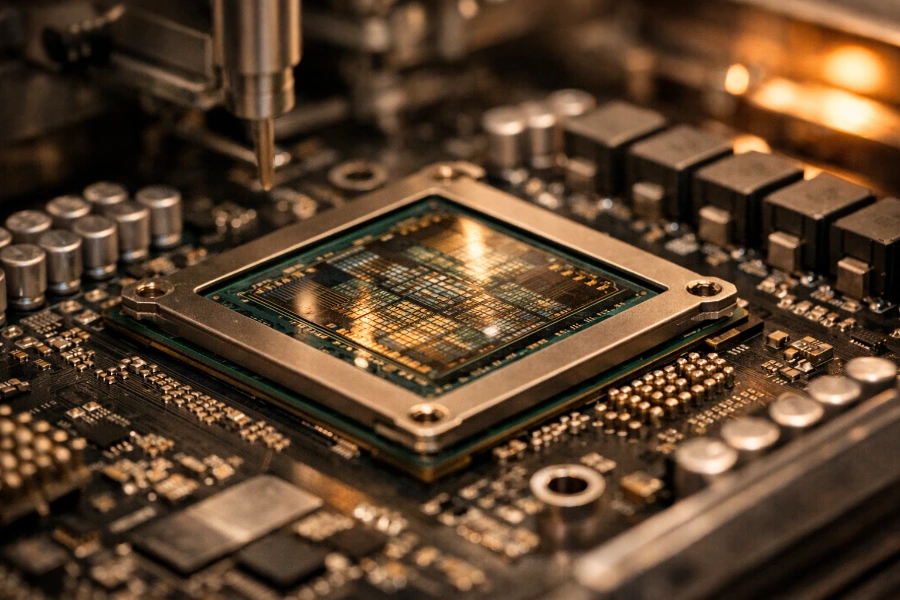
The existing framework is already a compromise. The administration approved conditional sales of Nvidia (NVDA) H200 processors in December 2025, and in January the Bureau of Industry and Security moved to case-by-case licensing for the H200 and AMD (AMD) MI325X. Licenses have covered only small volumes for specific Chinese customers. H200 shipments accounted for less than 1% of Nvidia's data center revenue in the second quarter of fiscal 2027. Beijing has separately restricted purchases of the chips as it pursues domestic alternatives.
Pressure is building in Congress. A controversy involving Nvidia's leadership has weakened the company's ability to resist tighter rules, and lawmakers are pushing to attach chip provisions to the National Defense Authorization Act. The measures under discussion include the Chip Security Act, the AI Overwatch Act and the MATCH Act. The Remote Access Security Act has already passed the House. Xi is expected to stress that further tightening through legislation would draw a response from Beijing.
What Happens to Tariffs and Rare Earths?
Tariffs are on a short leash: China suspended an additional 24% levy on US goods for two months from Nov. 10, while a separate 10% tariff remains in force. On Nov. 9, Beijing formalized a two-month pause on its latest rare earth export curbs, and suspensions of restrictions on certain American entities continue, subject to licensing.
Both sides have identified roughly $30 billion of goods in each direction that could receive reciprocal tariff relief, tied to larger Chinese agricultural purchases. US Trade Representative Jamieson Greer has pressed Beijing to deliver on agricultural purchases, rare earths and other critical minerals. China's April 2025 controls on medium and heavy rare earths, compounds, alloys and permanent magnets operate as a licensing system, which gives Beijing the ability to slow shipments without a formal ban. Chip designers, automakers and defense contractors are the most exposed to that lever.
Supply Chain Dimension
For corporate planners, the summit's practical value lies in predictability. A truce extension would keep tariff costs stable through the first quarter of 2027 and reduce the risk of sudden licensing delays on magnets and minerals. A breakdown over chip legislation would reverse that, as Chinese officials have indicated they would answer new US restrictions by tightening controls on rare earths and magnets. The Iran war adds a second strain: the Strait of Hormuz has been closed for more than 100 days, and about one-third of China's crude imports previously passed through it, which raises Beijing's interest in stable trade with Washington.
Outlook
The most likely outcome is another holding pattern: an extended truce, continued case-by-case chip licensing and further work on the AI dialogue. The main risks are congressional action on chip controls and any Chinese move on rare earths in response. The next checkpoints are the Jan. 10 truce deadline and the G20 summit in Florida in December.
Mentioned tickers: NVDA, AMD