Pomegra
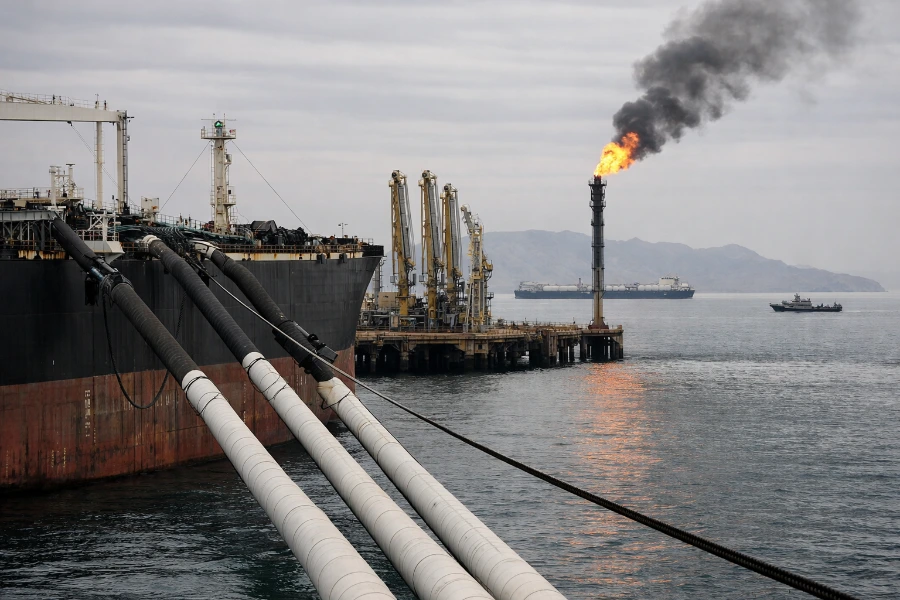
Brent settled near $96 and WTI at $88.56 for a second weekly loss as the IEA signalled a growing glut, despite Hormuz tanker blasts and Houthi strikes.
- Brent settled at $95.84 and WTI at $88.56 on Friday, both down about 2.5% on the week.
- The IEA sees supply 1.7 million bpd above demand in Q4 2026 and a surplus of about 3.8 million bpd in 2027.
- Iran said four tankers were hit in the Strait of Hormuz, and the Houthis claimed strikes on Saudi oil sites.
Lead
The crude oil price ended the week on November 13 lower for the second week running, as evidence of a returning supply surplus outweighed a new round of attacks on Gulf energy infrastructure and shipping. Brent futures settled at $95.84 a barrel, up 2 cents, while US West Texas Intermediate finished at $88.56, down 18 cents. Both benchmarks lost roughly 2.5% over the week.
The decline came on the day the International Energy Agency said the global oil market is moving back into surplus for the first time since the war involving Iran began. The same session brought claims from Tehran and from Yemen's Houthis that kept a geopolitical premium in prices.
What Happened to Oil Prices This Week?
Oil prices fell about 2.5% this week, extending the prior week's drop, because inventories are building and the risk of renewed direct conflict with Iran has eased. Friday's moves were muted. Brent was nearly unchanged on the day and WTI slipped less than 0.2%, which indicates that traders weighed the surplus signals and the security headlines about equally.
The US blockade of Iranian oil has also reduced fears of a fresh direct confrontation, removing part of the risk premium that supported prices earlier in the autumn. The gap between Brent and WTI stayed near $7.30 a barrel.
Why Is the IEA Forecasting a Bigger Surplus?
The IEA expects a larger surplus because Gulf exports have recovered faster than global demand. In its November Oil Market Report, the agency said world supply rose by a further 2.3 million barrels per day in October to 105.4 million bpd. Observed inventories rose by 52 million barrels, or 1.7 million bpd, over the month.
For the fourth quarter, the agency projects supply averaging 105 million bpd, 1.7 million bpd above forecast demand. It sees the imbalance widening in 2027, with a surplus of about 3.8 million bpd. That is slightly below the 3.94 million bpd it projected a month earlier, but still far above the 2026 build.
The agency also warned that its forecast faces downside risks. Attacks on shipping weaken maritime security, which underpins a sustained recovery in Gulf flows.
What Is Happening in the Strait of Hormuz?
Iran's military said four oil tankers were hit by explosions in the Strait of Hormuz after ignoring warnings. The narrow waterway links Gulf producers to Asian and European buyers and carries a large share of seaborne crude. Any sustained disruption there affects freight rates, insurance premiums and delivery schedules before it reaches headline prices.
The claim fits a pattern of attacks on tankers and energy infrastructure that has continued even as export volumes recovered. The IEA noted that Gulf shipments climbed in October despite those attacks, which suggests that operators and insurers have adapted to the risk. The market is nonetheless sensitive to any incident that closes the strait for more than a short period.
Geopolitical Dimension: Houthi Claims Against Saudi Facilities
Yemen's Iran-aligned Houthis said they attacked a pumping station on the Saudi East-West oil pipeline, an oil facility in the Red Sea city of Yanbu and a Saudi Aramco (2222.SR) building in Riyadh.
The East-West pipeline and the Yanbu terminal matter because they give Saudi Arabia an export route to the Red Sea that bypasses Hormuz. Strikes on that infrastructure target the main alternative to the Gulf chokepoint. The Houthi statements were claims, and the damage and any effect on flows had not been independently confirmed. Prices barely reacted, which shows how far the market had already priced in Gulf supply risk.
What Comes Next for Oil Prices?
Oil prices over the next three to twelve months depend on whether the surplus the IEA describes materialises faster than shipping risks tighten supply. If Gulf exports keep rising and inventories build at the October pace, downward pressure on Brent is likely to persist into 2027. The agency's projection of a 3.8 million bpd surplus next year implies sustained stock accumulation.
Three factors will shape the path:
- Maritime security: repeated hits on tankers raise costs and could curb loadings if insurers withdraw cover.
- Saudi export routes: confirmed damage to the East-West pipeline or Yanbu would remove a key bypass for Hormuz volumes.
- US-Iran dynamics: the blockade of Iranian crude limits one source of supply while lowering the odds of direct conflict.
Producer policy is the other variable. A surplus of this size would test the cohesion of supply agreements among exporters, and the pace of demand growth will determine how much of the new supply the market can absorb.
Outlook
Brent near $96 and WTI near $88.5 reflect a market caught between a widening surplus and persistent attacks on Gulf energy assets. The IEA's data point to a looser balance through 2027, while Hormuz and Red Sea incidents keep a floor of risk under prices. The next test is whether attacks on pipeline and terminal infrastructure begin to reduce actual exports rather than only headlines.