Pomegra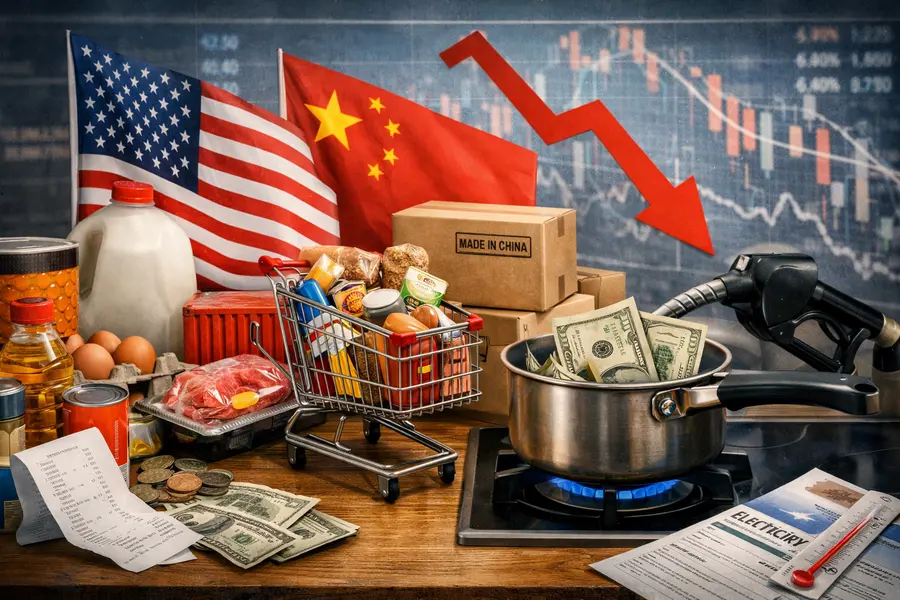
New US tariffs are set to cost the average American household more than $2,500 this year alone, arriving as the consumer price index re-accelerates and working families are already stretched thin.
- The average US household faces over $2,500 in tariff-related costs in 2026, a 43% increase from last year.
- The US consumer price index rose 3.5% year-over-year in June 2026, with core inflation at 2.6%.
- Federal Reserve research confirms near-complete pass-through of tariff costs to consumers, with a roughly seven-month lag.
Lead
Washington's escalating trade war is delivering a compounding blow to American consumers already battered by years of elevated US inflation. The average US household is on track to absorb more than $2,500 in tariff-related costs in 2026 — up 43% from the first year of President Donald Trump's second term — as the administration finalizes a new round of Section 301 tariffs covering over 80 trading partners and announces fresh levies targeting 60 countries that together account for more than 99% of US imports. The Tax Policy Center pegs the average household burden from Trump administration tariffs at approximately $920 per tax unit in calendar year 2026, while Yale University's Budget Lab places the total effective household cost under current law at roughly $1,100 annually.
What Happened
On July 23, 2026, the United States Trade Representative finalized a broad Section 301 tariff linked to forced-labor practices, extending duties across more than 80 trading partners. Separately, the White House unveiled a new tariff package projected to cost American consumers an estimated $100 billion per year through higher prices, with levy rates ranging from 10% to 12.5%. The current average US tariff rate now sits between 10% and 13% depending on product category — the highest level since the 1940s — a threshold the Tax Foundation characterizes as the largest US tax increase as a percentage of GDP since 1993.
Inflation Data: Where Prices Stand
The consumer price index for June 2026 rose 3.5% from a year earlier, according to the Bureau of Labor Statistics, moderating from 4.2% in May but remaining well above the Federal Reserve's 2% target. Core CPI — all items less food and energy — climbed 2.6% over the same period. Food prices rose 3.0% year-over-year, with food at home up 2.7% and food away from home up 3.4%. Energy prices surged 15.7%, led by a 26.7% jump in gasoline, partly reflecting renewed US-Iran tensions. Airline fares rose 26.5% and shelter costs climbed 3.3%.
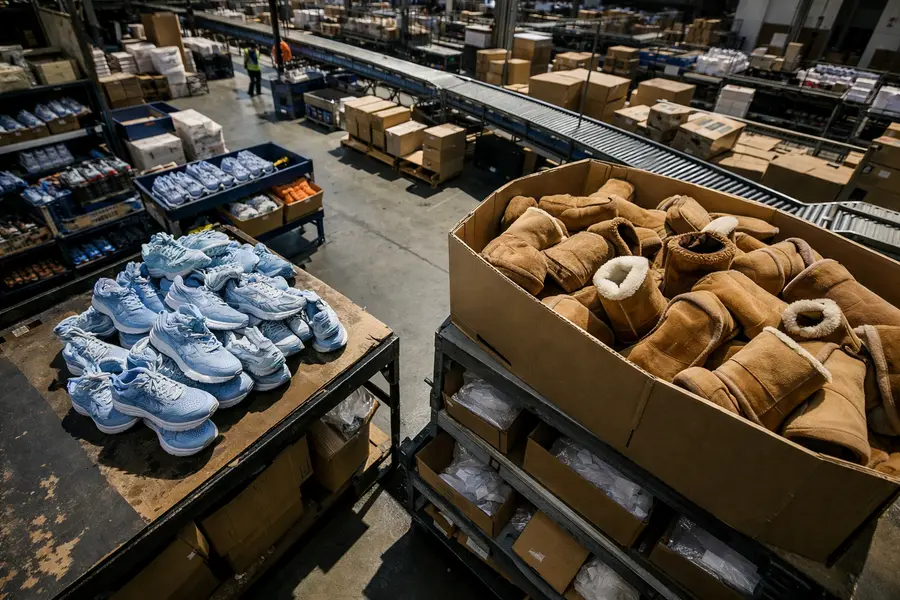
The tariff fingerprints are clearest in discretionary and imported goods. Clothing prices rose 14% relative to pre-tariff trends, household furnishings climbed 8%, and nondurable household goods — cleaning supplies, paper products — jumped 5%.
The Pass-Through Mechanism
Federal Reserve research confirms near-complete pass-through of Trump tariffs costs to end consumers, adding close to one full percentage point to inflation. The transmission is not immediate: researchers estimate a roughly seven-month lag between the imposition of duties and full retail price impact. That delay means significant waves from tariffs enacted in late 2025 and early 2026 are still working their way through supply chains and onto store shelves, compressing margins for retailers who can absorb costs only temporarily.
Who Pays Most
The trade war cost falls unevenly. Lower-income households spend a larger share of income on goods — clothing, groceries, appliances — making tariffs structurally regressive. Consumer price index 2026 data underscores the pressure on everyday essentials: grocery chains, which operate on thin margins of 1%–3%, have limited capacity to absorb import cost increases and are among the first to pass them on. Two-thirds of Americans reported concern about tariff impacts on their personal finances as of late 2025, a figure likely to have risen given successive tariff expansions since.
Strategic Context
The administration frames the tariff architecture as a long-term industrial policy instrument — designed to re-shore manufacturing, pressure trading partners on labor standards and intellectual property, and generate federal revenue as an offset to proposed tax cuts. Critics, including the IMF and domestic business groups, argue the costs land primarily on domestic consumers and downstream manufacturers rather than foreign exporters. The trajectory of the trade war cost is compounded by global supply-chain fragmentation: companies face the dual pressure of reconfiguring sourcing while absorbing higher input costs, with limited ability to neutralize the impact before it surfaces in retail prices.
What Comes Next
US inflation risks remain skewed to the upside for the second half of 2026. Renewed US-Iran hostilities — which drove energy prices higher into July — add a geopolitical overlay to tariff-driven consumer price pressures. The Federal Reserve's next policy decisions will be shaped heavily by whether the June CPI moderation proves durable or whether the lagged tariff pass-through reasserts itself in July and August data. Economists broadly expect the combined effect of trade policy and energy volatility to keep headline CPI elevated above 3% through year-end.Outlook
The Trump tariff impact on American households is intensifying, not abating. With the average family facing more than $2,500 in annual tariff costs and fresh duties still entering the pipeline, US inflation is likely to remain structurally elevated even as energy price swings introduce month-to-month volatility in headline consumer price index 2026 readings. The Federal Reserve faces a narrowing path as it attempts to balance slowing growth against persistent price pressure — a constraint that leaves inflation-hit households with few immediate sources of relief.