Pomegra
Trump's declaration of maximum economic pressure against Iran, anchored by sweeping oil tanker sanctions on Tehran's shadow fleet, drove Brent crude to nearly $94 a barrel, its highest settlement since late July 2026.
- Trump threatened "tremendous economic consequences" for any country or institution providing Iran a financial or commercial lifeline
- Treasury Secretary Scott Bessent vowed the "toughest sanctions in history," with measures targeting Iran's shadow fleet, currency swap lines, and exchange houses
- The UAE suspended all trade and financial dealings with Iran, removing a partner that had supplied more than 30% of Tehran's imports
Lead
The Trump administration declared an unprecedented economic campaign against Iran on August 19-20, 2026, threatening sweeping oil tanker sanctions and financial penalties against any government, institution, or business worldwide that provides support to Tehran. Speaking from the White House podium, President Trump labeled the initiative "Economic D-Day" and pledged to deploy the most comprehensive economic isolation effort in U.S. history. Brent crude surged more than 2% in response, closing at $93.78 a barrel on August 21 - the benchmark's highest settlement since late July 2026, while WTI posted gains exceeding 2.7% to close near $86.70.
What Did Trump Announce?
Trump invoked the language of total economic warfare, declaring his administration would target Iran's oil smuggling networks, currency swap lines, cash transfers, exchange houses, ship registries, and front companies. The declaration extended beyond Iran itself: any country allowing financial institutions, airports, businesses, or government entities to support Tehran would itself face what Trump called "tremendous economic consequences."
Treasury Secretary Scott Bessent reinforced the president's remarks, describing the forthcoming measures as "the greatest coordinated economic isolation in the history of the world." Bessent told CNBC that Washington would present allied governments with a binary choice: alignment with U.S. sanctions enforcement or exposure to secondary penalties - language designed to pressure China, India, and other major buyers of Iranian crude to curtail purchases.
How Do Oil Tanker Sanctions Accelerate Iran's Isolation?
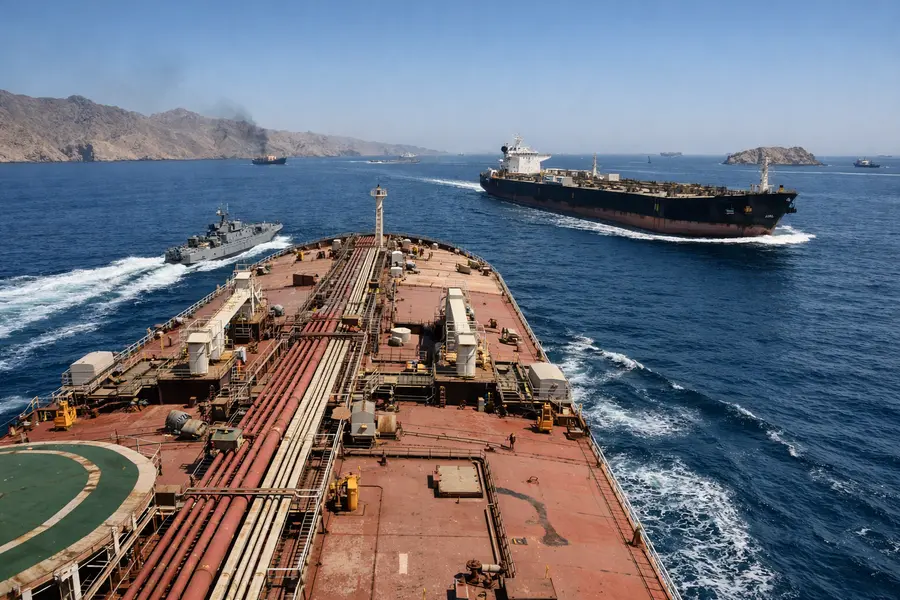
Oil tanker sanctions form the operational backbone of the pressure campaign. The Treasury Department has sanctioned more than 180 vessels in 2026 alleged to participate in Iran's shadow fleet - the network of aging tankers operating under opaque registries that Tehran uses to move crude outside the formal global shipping system. The latest tranche targeted 29 additional ships, following earlier rounds that sanctioned Chinese, Liberian, and Turkish-registered vessel management entities.
The cumulative effect of these oil tanker sanctions, combined with a U.S. naval blockade, has cost Iran an estimated $4.8 billion in lost oil revenue. In April 2026, the Treasury Department sanctioned Hengli Petrochemical's Dalian refinery - one of Iran's largest crude customers - signaling that Chinese buyers are not shielded from enforcement.
The Strait of Hormuz, through which approximately one-fifth of global crude and liquefied natural gas flows, has been effectively closed to routine commercial shipping since the breakdown of a June 17 memorandum of understanding between Washington and Tehran. With commercial insurance unavailable or prohibitively expensive for vessels attempting transit, the disruption has removed significant supply from global markets and kept energy prices elevated through the summer.
Why Did Oil Prices Surge?
Prices had already been climbing since August 18, when Trump publicly ruled out extending any diplomatic arrangement with Tehran, signaling the end of a fragile ceasefire period. The "Economic D-Day" announcement accelerated that move, with Brent closing at a multi-week high of $93.78.
The price reaction reflects two compounding risks. First, supply already constrained by the Hormuz disruption faces further pressure if additional Iranian barrels are removed from accessible markets through intensified secondary sanctions enforcement. Second, uncertainty over whether major importing nations - particularly China's refining sector - will curtail Iranian purchases or absorb the penalties adds a demand-disruption variable that commodity markets are pricing in real time.
The UAE Embargo and Regional Realignment
The UAE moved on August 19 to suspend all trade, financial dealings, and transactions with Iran following an incident in which Iran allegedly launched two ballistic missiles toward the Gulf state, both falling into the sea. The UAE's decision carries outsized economic weight: Iranian imports sourced through the Emirates represented more than 30% of Tehran's total import supply.
The suspension compounds an already dire economic picture for Iran. The IMF projects a 5.4% economic contraction for 2026, with inflation approaching 70%. The loss of the UAE as a commercial conduit accelerates what U.S. officials describe as an economy approaching collapse. Iran's Foreign Ministry dismissed Trump's threats as an act of desperation and warned of escalation if military pressure resumes.
Geopolitical Context
The economic escalation follows six months of active conflict between the United States and Iran, during which large-scale kinetic U.S. operations have diminished. The Trump administration has shifted toward economic strangulation as the primary instrument, calculating that Iran's depleting weapons stockpiles and collapsing currency make the country increasingly vulnerable to financial isolation. Bessent indicated additional measures would be announced within days.
Outlook
The trajectory of oil markets hinges on two variables: whether major importing nations - China foremost among them - comply with secondary sanctions pressure, and whether the Strait of Hormuz remains closed to commercial traffic. Each week of sustained closure tightens effective global crude supply further. Energy markets have priced in a sustained geopolitical risk premium; any reopening of diplomatic channels or partial sanctions relief would likely trigger a sharp price reversal. Until then, the supply disruption and escalating isolation campaign keep crude benchmarks elevated well above pre-conflict levels.