Pomegra
Stock market today: S&P 500 futures rose about 1.9% and Nasdaq 100 futures 2.3% in Asian trading, a bounce after the Nasdaq's worst week in over six years.
- S&P 500 futures gained about 1.9% and Nasdaq 100 futures 2.3% in Asian trading on Monday.
- The rebound follows seven straight S&P 500 declines and the Nasdaq 100's worst week since 2020.
- Nvidia fell 14% on Friday; PCE inflation data on Wednesday is the next test.
Lead
U.S. equity index futures climbed in Asian trading on Monday, November 23. S&P 500 futures rose about 1.9% and Nasdaq 100 futures about 2.3%. The move offered a pause after the sharpest tech-led rout on Wall Street in years. The Nasdaq 100 lost more than 10% last week, its worst weekly result since March 2020. The S&P 500 fell for seven consecutive sessions and entered technical correction territory, a decline of at least 10% from its peak.
What Happened to Wall Street Last Week?
Wall Street suffered a broad, accelerating selloff that peaked on Friday. The Nasdaq 100 fell about 5.6% in that session and erased its gains for 2026. The Dow Jones Industrial Average posted its largest weekly loss since 2020, and the VIX volatility gauge briefly touched 40, its highest level since April 2025.
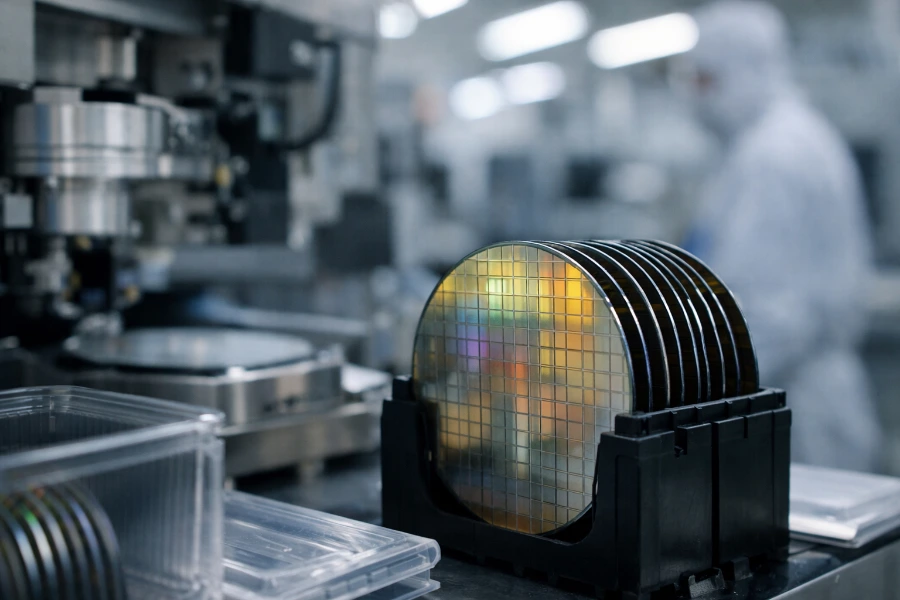
Nvidia (NVDA) was at the center of the damage. The chipmaker's shares dropped 14% on Friday amid leadership turmoil and regulatory scrutiny. That weighed on the semiconductor complex and on funds with heavy exposure to it, including the nasdaq qqq fund (QQQ) and the SPDR S&P 500 ETF Trust (SPY), which tracks the broader index.The underlying worry is the scale of artificial intelligence spending. Companies have committed hundreds of billions of dollars to data centers and chips, and investors are questioning when those investments will earn returns that justify current valuations.
Why Are Futures Rebounding Now?
Futures are rebounding because a week of forced selling pushed prices to levels where buyers re-entered, and policymakers in Asia moved to calm markets. Seoul announced a market stabilization fund of about $8 billion, its first use since 2008. China cut margin requirements and signaled policy support.
The relief was uneven across the region. South Korea's Kospi fell as much as 6% at its lows, triggering a sidecar halt on program selling, and recovered to a loss of roughly 3%. Taiwan's benchmark, after its worst week since 1991, rebounded about 2%. Shanghai and Hong Kong slipped. Japan's markets were closed for a public holiday.
Haven assets reversed course. Gold gained about 2%, to near $3,610 an ounce. Treasury futures snapped a five-day winning streak, and the 10-year yield rose about 3 basis points to around 4.94%. The yen weakened to near 159 per dollar after a sharp rise on Friday.
How Does the Fed Factor Into the Selloff?
The federal reserve is a second source of pressure alongside the AI trade. A hotter-than-expected inflation report has revived talk of further policy tightening, with some officials discussing a possible half-point increase in December. Higher expected rates reduce the present value of long-duration growth stocks, which dominate the Nasdaq. They also raise the cost of the debt financing behind much of the AI build-out.
That backdrop makes this week's data calendar important. The Personal Consumption Expenditures price index, the Fed's preferred inflation measure, is due Wednesday. U.S. markets close Thursday for Thanksgiving, and the Friday session is shortened, so thin liquidity could magnify moves in both directions.
What Comes Next for the Nasdaq?
The Nasdaq 100 sits just short of bear-market territory, a drop of 20% from its high, which gives Monday's U.S. open outsized significance. A futures bounce of about 2% recovers only a fraction of last week's losses. The index remains below its 2025 close.
Three variables set the near-term path. The first is whether Nvidia stabilizes as its governance and regulatory questions develop. The second is the PCE reading and what it implies for a December rate move. The third is the pace of selling pressure in Asia, where Korean and Taiwanese markets carry heavy semiconductor weightings.
Outlook
The rebound in S&P 500 and Nasdaq 100 futures follows the heaviest weekly losses for U.S. technology shares since the pandemic. The recovery rests on state support in Asia and a technical pause in selling, not on a resolution of the AI spending debate or the Fed's inflation fight. Wednesday's PCE data and Nvidia's next developments are the main catalysts before the holiday.
Mentioned tickers: NVDA, QQQ, SPY