Pomegra
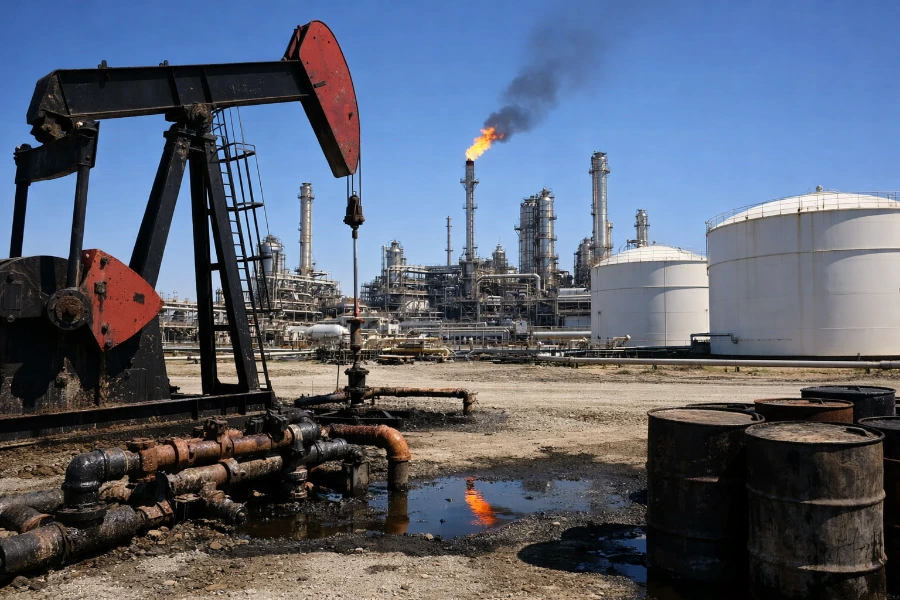
WTI settled at $83.98 and Brent at $92.57 on Friday, both down for a third week, as ample Gulf supply outweighed the risk of renewed US strikes on Iran.
- WTI fell $4.58, or 5.2%, on the week to $83.98. Brent lost 3.4% to $92.57.
- Trump says he is not rushing a decision on Iran, while Netanyahu presses for a short, forceful campaign.
- Record Hormuz flows and a return to surplus have capped the crude oil price despite fresh tanker attacks.
Lead
The crude oil price ended a third consecutive weekly decline on Friday, November 20. West Texas Intermediate for December delivery settled at $83.98 a barrel, down from $88.56 a week earlier. Brent for January delivery closed at $92.57, up 59 cents, or 0.64%, on the day after a tanker fire near the Strait of Hormuz. The Brent-WTI spread stood at $8.59.
Traders spent the week balancing two forces. One was the prospect of renewed American strikes on Iran. The other was evidence that physical supply from the Gulf has recovered faster than expected.
What Is Driving the Third Weekly Decline?
Supply recovery is the main driver. The International Energy Agency said oil markets have returned to surplus for the first time since the start of the Iran war. US Energy Secretary Chris Wright said energy flows through the Strait of Hormuz have reached a record. Both points eased fears of a prolonged shortfall.
Those developments pulled prices down even as headlines on Iran turned more hostile. The week's decline is smaller than the sharp drop of the prior period, when prices fell roughly 13% on hopes of a diplomatic settlement. Brent has since moved from above $99 to below $93.
Is Trump Considering More Strikes on Iran?
Trump is weighing further military action but has not set a timetable. He told Axios in a brief phone interview that he is "not rushing into any decision" and will "see what happens after the beginning of the year." That language suggests no major operation before 2027.
Prime Minister Benjamin Netanyahu is pressing the opposite case. Israel favors an immediate, short and intense campaign, citing concern over alleged Iranian chemical and biological weapons work and the fortification of the Pickaxe Mountain site. Tehran's foreign ministry has called the chemical weapons allegations fraudulent.Potential targets under discussion include suspected nuclear facilities, bridges, power plants and senior military and civilian leaders. Trump faces competing advice. Israeli officials want force, while advisers and Gulf leaders favor giving economic pressure more time.
Why Are Prices Not Rising on the Strike Threat?
Prices are not rising because the threat has been absorbed while physical barrels keep moving. A strike that sets no date does not remove supply, and the market has priced in months of conflict since the war began.
Gulf producers are exporting at record levels through Hormuz. The US naval blockade of Iranian ports, reinstated in mid-July, has already removed most Iranian crude from the market. No Iranian tanker has been confirmed to have escaped it since.
The blockade is now being tested. A US military notice on Wednesday widened its scope to ships receiving cargoes at sea. Days earlier, on November 17, the sanctioned Suezmax Olym transferred about 200,000 barrels of Iranian crude to the Hao Fan, the first such transfer observed since the blockade resumed. Iran has assembled more than 14 tankers at Kharg Island and has warned that any attack on them would bring strikes on oil facilities across the Persian Gulf.
Geopolitical Dimension
Shipping risk is rising even as headline prices soften. Projectiles struck three tankers leaving the strait on Friday and Saturday, and the Hong Kong-flagged crude carrier Torkel caught fire after being hit in the stern. Attacks around Hormuz are now at their highest level since the conflict began.
About a fifth of global oil consumption passes through the strait. A confirmed disruption to that route would reprice crude quickly, because spare capacity outside the Gulf is limited and much of it depends on the same corridor. The market's calm rests on the assumption that tanker harassment stays contained.
What Comes Next for Oil Prices?
The next catalyst is the OPEC+ meeting scheduled for November 29, where members will address production quotas into 2027. The group may struggle to deliver planned increases while shipping disruptions persist, which leaves its output decisions less predictable than usual.
Three scenarios frame the near-term range:
- Supply-led drift lower. Continued record Gulf exports and the IEA's surplus reading keep Brent below $93 and push WTI toward the low $80s.
- Blockade confrontation. A clash over Iranian tankers leaving Kharg, or attacks on Gulf infrastructure, would lift prices sharply within days.
- Strike decision. A US-Israeli campaign, if launched, would add a risk premium. Trump's remarks point to that decision falling after January 1.
Outlook
The crude oil price is falling on supply, not on any easing of the Iran conflict. WTI in the low-to-mid $80s and Brent in the low $90s reflect a market that sees a surplus forming while the military outlook remains unresolved. Trump's deferral of a decision lowers the odds of a strike in the next five weeks. Tanker attacks, the blockade standoff and the OPEC+ meeting carry the nearer-term risk.
Mentioned tickers: None