Pomegra
The S&P 500 snapped a rare nine-day winning streak on June 3 as surging Treasury yields and oil prices near $98 a barrel shifted investor sentiment sharply lower.
- The S&P 500 dropped 0.74% to 7,553.68, ending a streak that had approached the 1985 record of 10 consecutive session gains.
- WTI crude settled at $96.02 a barrel and the 10-year Treasury yield climbed to 4.49%, the highest level in months.
- Stronger-than-expected ADP payrolls and ISM services data reinforced the case for the Federal Reserve to hold rates through year-end.
Lead
U.S. equity markets retreated sharply on June 3, 2026, with the S&P 500 ending a nine-session winning streak — the longest in decades — as escalating U.S.-Iran hostilities drove crude oil toward $98 a barrel and a wave of resilient economic data pushed Treasury yields to multi-month highs, erasing the optimism that had fueled a nearly 20% advance over the prior nine weeks.
What Happened
The S&P 500 fell 0.74% to close at 7,553.68, the Dow Jones Industrial Average tumbled 620.72 points, or 1.21%, to 50,687.07, and the Nasdaq Composite declined 0.89% to 26,853.98. The selloff was broad-based, touching every major sector as two distinct but reinforcing forces took hold simultaneously: an energy shock and a repricing of monetary policy expectations.
The nine-day streak had been one of the most powerful consecutive-session runs in modern market history, carrying the stock market within a whisker of the all-time record of 10 consecutive gains set in 1985. The sudden interruption underscored how quickly macro conditions can overwhelm momentum-driven buying.
The Oil Shock
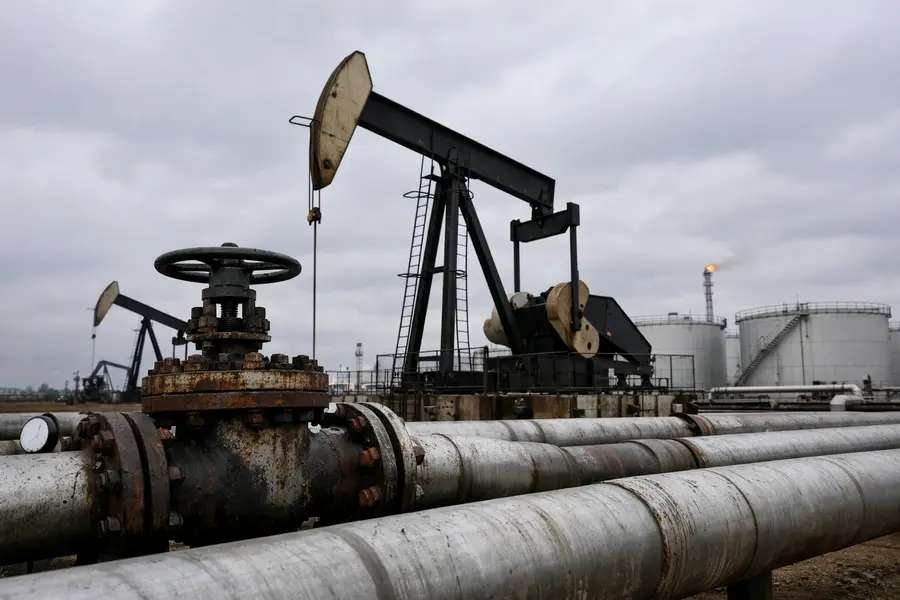
West Texas Intermediate crude futures rose 2.41% on the session to settle at $96.02 a barrel. Brent crude, the international benchmark, gained 1.89% to $97.81. The catalyst was a fresh overnight escalation in U.S.-Iran hostilities that rattled energy markets and renewed concerns about shipping disruptions through the Strait of Hormuz — the chokepoint through which approximately 20% of global oil supply transits daily.
The Iran conflict, which erupted in late February 2026, has already pushed Brent crude up substantially since fighting began, raising average U.S. gasoline prices and complicating the Federal Reserve's path back toward its 2% inflation target. Sustained oil prices near or above $96 a barrel are widely expected to sustain upward pressure on headline Consumer Price Index readings, which had already climbed to 3.3% on an annual basis in March — the highest level since May 2024.
Treasury Yields Surge
Treasury yields moved sharply higher across the curve. The benchmark 10-year Treasury yield rose five basis points to 4.49%, while the 30-year yield approached 5%, a threshold that historically captures attention from pension funds, mortgage markets, and equity valuations alike. Rising yields make future corporate earnings less valuable in present-value terms and increase the opportunity cost of holding equities, a dual pressure that was apparent in Tuesday's broad equity declines.The yield move was amplified by stronger-than-expected U.S. economic data released the same session. ADP private-sector payrolls for May came in at 122,000, above the consensus forecast of 117,000. The ISM Services PMI also posted a robust reading, signaling continued expansion in the dominant U.S. services sector. Together, the data reinforced the view that the American economy remains durable even as geopolitical risks escalate — a dynamic that reduced the probability of near-term Federal Reserve rate cuts and increased speculation that the next policy move could be a hike rather than an ease.
Federal Reserve Recalibration
The combination of elevated energy prices, firm labor market readings, and above-target inflation has materially shifted rate expectations. Markets now price in just one interest rate reduction — or none — by the Federal Reserve's December 2026 meeting, a stark reversal from pricing earlier in the year that anticipated multiple cuts. The probability of another Fed rate hike before year-end has risen measurably, with the Fed now widely expected to remain on hold through several upcoming meetings.
That recalibration is central to why Treasury yields have climbed: if the Federal Reserve delays easing or moves toward tightening, short and long-duration bond yields must reprice accordingly. The 10-year yield at 4.49% represents a significant headwind for rate-sensitive sectors including real estate, utilities, and high-multiple technology stocks.
Market Reaction and Sector Impact
Energy was the only major sector to post gains on the session, benefiting directly from higher crude prices. Technology, consumer discretionary, and financials led the declines. Volume was elevated, suggesting the move was not purely technical — institutional repositioning toward defensive positioning and fixed income appeared to accelerate as the session progressed.
The sell-side estimate that the S&P 500 has gained approximately $2.8 trillion in market capitalization over the prior nine weeks illustrates just how significant the winning streak had been — and how much was at stake when macro realities reasserted themselves.
What Comes Next
The near-term trajectory for the S&P 500 and broader stock market will be shaped by three convergent forces: the trajectory of the Iran conflict and its impact on global oil supply, the pace at which U.S. inflation moderates, and the Federal Reserve's response to data that continues to run hotter than desired. The next major catalyst is the June nonfarm payrolls report and an upcoming Federal Open Market Committee meeting. If employment data continues to surprise to the upside while Treasury yields remain elevated, pressure on equity valuations is likely to persist.
Outlook
The S&P 500's nine-day run was exceptional by historical standards, but the forces that ended it — geopolitically driven energy prices, resilient U.S. economic data, and repriced Treasury yields — are structural rather than transient. Until the Iran conflict shows signs of de-escalation or inflation data cools sufficiently to restore confidence in rate cuts, the stock market faces a more challenging environment than the one that powered the winning streak.
Markets