Pomegra
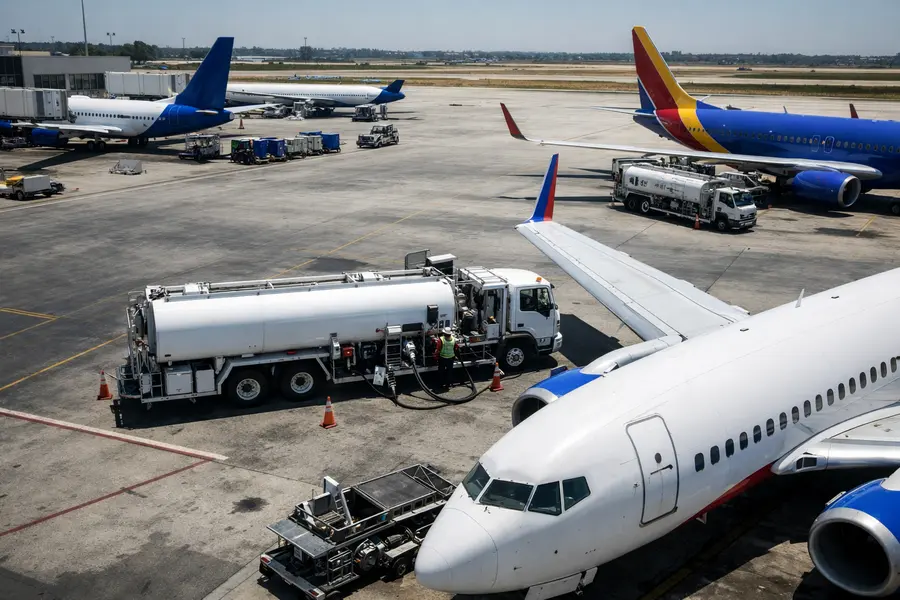
Southwest Airlines (LUV) cut its 2026 profit outlook to $2.60-$2.85 a share from $3.25-$4.25 as jet fuel costs climb, even as Q3 revenue hit a record.
- Southwest lowered 2026 adjusted EPS guidance to $2.60-$2.85 from $3.25-$4.25.
- Q3 revenue reached a record $8.42 billion, but fuel expense rose $821 million.
- Southwest expects fuel of up to $4.55 a gallon in Q4, versus $3.92 in Q3.
Lead
Southwest Airlines (NYSE: LUV) lowered its full-year 2026 profit forecast on Wednesday, October 21, citing a sharp rise in jet fuel prices. The Dallas-based carrier now expects adjusted earnings of $2.60 to $2.85 per share, below its July range of $3.25 to $4.25. Shares edged higher after the report, as investors weighed a third-quarter earnings beat against the weaker outlook.What Did Southwest Report for the Third Quarter?
Southwest reported third-quarter net income of $270 million, or 55 cents a share, up from $54 million, or 10 cents, a year earlier. Adjusted earnings were 66 cents per share, ahead of the 58 cents expected by the market and up from 11 cents in the prior-year quarter.
Operating revenue rose 21.2% to a record $8.42 billion. Passenger revenue climbed 22.8% to $7.75 billion, and unit revenue reached an all-time high. Fares rose about 27% from a year earlier, reflecting the carrier's revised pricing and fee structure.
The adjusted operating margin widened 4.8 percentage points to 5.4%, even though fuel expense was $821 million higher than in the third quarter of 2025. Operating income was $379 million.
Why Did Southwest Cut Its 2026 Forecast?
Southwest cut the forecast because fuel costs are rising faster than fares can offset them. The airline paid $3.92 a gallon in the third quarter and expects as much as $4.55 in the fourth, with Brent crude trading above $110 a barrel.
The new guidance implies fourth-quarter adjusted earnings of 55 to 80 cents per share. The top of that range assumes fuel near the $4.55 level. The airline had held off adjusting its full-year outlook for much of 2026 because of fuel price volatility, and it now reflects the higher cost base.
CEO Bob Jordan said the company's transformation program is complete and that efforts have shifted to optimizing the business. He added that demand remained strong entering the fourth quarter despite higher fares.
How Does Southwest Compare With Other U.S. Airlines?
Southwest is the third major U.S. carrier this month to cut its 2026 profit outlook because of fuel. United Airlines (UAL) expects to pay $4.80 a gallon in the fourth quarter and has said elevated fuel costs will persist through 2027. Alaska Air Group (ALK) guides to $4.65 to $4.85 a gallon.
Southwest's projected fuel price is the lowest of the three. That reflects a different cost structure, though the carrier still faces a quarter-on-quarter increase of roughly 16%. Delta Air Lines (DAL) rose 1.32% on the day. Delta has warned that airlines may need to restrain flight growth to keep fares high enough to cover fuel.
What Comes Next for Fares and Capacity?
Southwest plans to expand capacity by 3% to 4% in the fourth quarter. That is a modest increase, but it leaves the airline exposed if the industry adds seats while fuel stays high. The carrier has priced higher fares into bookings so far without a visible drop in demand.
Fuel hedging offers little cushion. Southwest ended its long-running fuel hedging program in 2025, so the carrier carries the full effect of price swings. Each further move in crude oil prices therefore flows more directly into quarterly earnings.
Strategic Context
The guidance cut arrives after a period of heavy restructuring at Southwest, including changes to its seating, bag fee and fare policies. Those moves lifted revenue and margins in the third quarter and offset most of the fuel increase. They did not offset all of it, and the 2026 range now sits well below the earlier midpoint of $3.75.
The revision also narrows the range. The new band is $0.25 wide, compared with $1.00 previously, which indicates greater visibility with one quarter left in the year.
Outlook
Southwest's record revenue and wider margins show that the turnaround is delivering, but fuel at up to $4.55 a gallon has removed roughly a dollar per share from the midpoint of its 2026 outlook. The next test is whether strong fourth-quarter demand and 3% to 4% capacity growth can hold fares high enough to absorb costs that United expects to remain elevated into 2027.
Mentioned tickers: LUV, UAL, ALK, DAL