Pomegra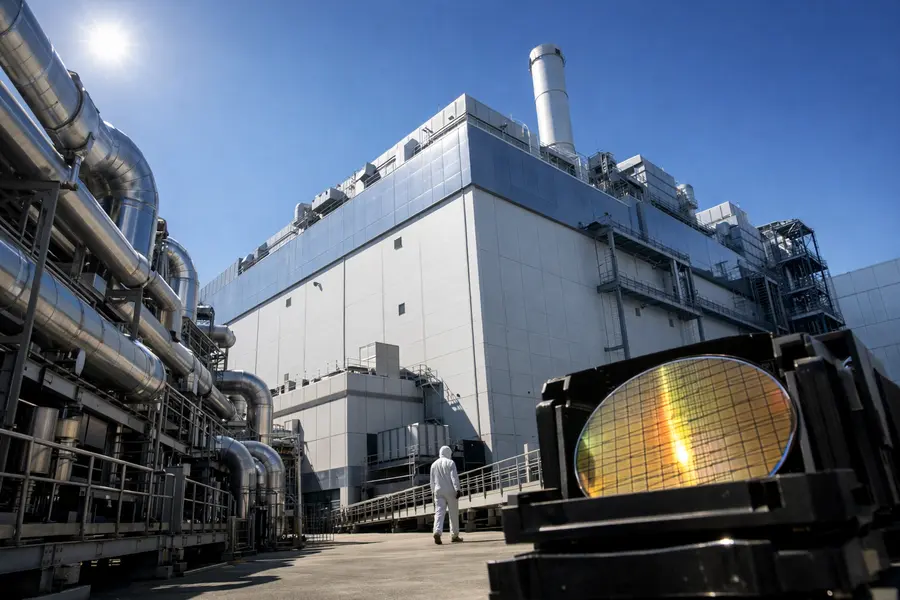
SK Hynix and Intel are in exploratory talks that could place the first Korean-designed memory chips on US soil, with structures ranging from a fab lease to a three-way joint venture, reshaping the domestic semiconductor supply map and sending both stocks sharply higher.
- Intel (INTC) surged 8% to roughly $109 on September 17, 2026; SK Hynix's US-listed shares (SKHY) climbed 5% to $183.57 after Reuters first reported the discussions.
- The proposed deal centers on Intel's New Albany, Ohio "Ohio One" campus, a $28 billion facility backed by $7.865 billion in CHIPS Act funding, as the potential site for US-built DRAM.
- Both companies confirm only that discussions are preliminary; South Korea's Industrial Technology Protection Act requires Seoul's approval before any advanced memory technology can be exported.
Intel and SK Hynix in Landmark Ohio Fab Talks
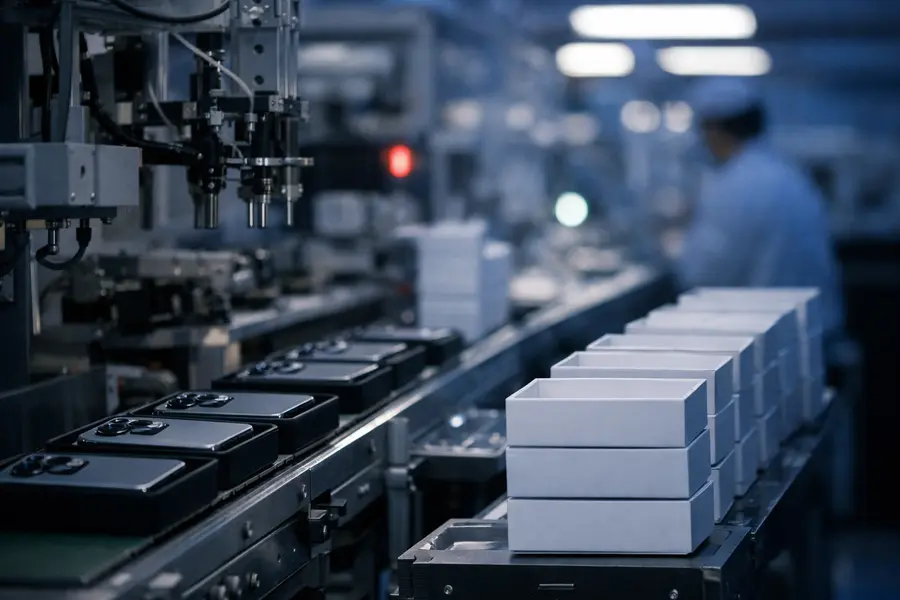
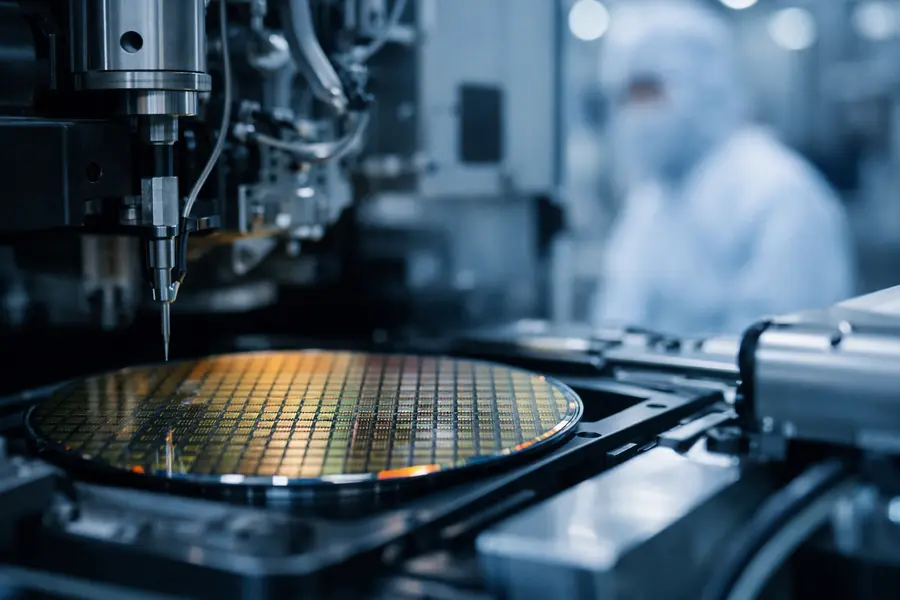
SK Hynix and Intel have opened preliminary discussions on two potential structures, Reuters reported September 16, 2026. Under the first option, SK Hynix would lease a portion of Intel's New Albany, Ohio fabrication campus to produce DRAM - the workhorse memory used across servers, PCs, and AI infrastructure. Under the second, the two companies and a group of major AI hyperscalers seeking guaranteed memory supply would form a joint venture at the same site. Either path would mark the first time a Korean memory maker has manufactured chips on American soil.Intel's New Albany campus, branded "Ohio One," broke ground in 2022 with an initial budget of $28 billion and secured up to $7.865 billion in direct funding from the US Commerce Department under the CHIPS and Science Act. At least $1.5 billion of that award is designated for the New Albany site, and $2.2 billion has already been disbursed. The facility is on track for completion between 2030 and 2031, with production starting shortly after - a timeline that anchors any near-term deal in a long-range capital commitment rather than an imminent capacity shift.
Why Did Markets React This Way?
The market moved because the talks address two simultaneous pressure points in global semiconductor supply. First, Intel has been searching for ways to monetize a massive Ohio build-out whose economics deteriorated as the company's foundry business struggled. A deal with SK Hynix - whether lease or joint venture - would generate revenue from the campus before Intel's own advanced logic chips begin rolling off the line. On September 17, INTC added 8%, extending an initial 4% gain logged when Reuters' story first circulated. SMH, the VanEck Semiconductor ETF that tracks the sector, also moved higher alongside SOXL as investors priced in a structural boost to US memory capacity.
Second, the talks signal that AI-driven demand for DRAM - particularly high-bandwidth memory used in training clusters - has grown urgent enough to pull Korean chipmakers toward domestic US production they have historically avoided. AI hyperscalers reportedly in preliminary JV discussions want supply contracts that are not subject to geopolitical disruption risk, a calculus that has intensified as US-China export controls on advanced chips have tightened.
What Are the Regulatory Hurdles?
Any technology transfer faces a meaningful legal test before it can proceed. South Korea's Industrial Technology Protection Act classifies high-bandwidth memory and leading-edge DRAM as "national core technologies," meaning Seoul's government must approve the export of relevant intellectual property and manufacturing know-how. That review - which adds a diplomatic dimension to what would otherwise be a bilateral corporate negotiation - has no set timeline and could materially alter deal terms.
On the US side, the CHIPS Act funding Intel has already received carries domestic production obligations. Any lease or JV arrangement would need to satisfy Commerce Department conditions attached to the grants, adding another layer of regulatory review before construction or conversion of fab space could begin.
Strategic Context
The talks arrive as Washington's industrial policy push collides with the realities of semiconductor capital cycles. The US has no domestic DRAM producer outside Micron, leaving the military, hyperscalers, and automakers dependent on South Korean and Taiwanese supply chains. A working arrangement at New Albany would not remedy that gap quickly - fabrication equipment orders alone carry roughly a two-year lead time and none have been placed for a memory line at the site - but it would establish the precedent and the physical infrastructure for future scale.
For SK Hynix, the calculus involves weighing the cost and complexity of operating in a new geography against the commercial and political advantages of supplying US customers from US soil. The company's existing US presence is primarily in sales and R&D, not manufacturing.
Outlook
Both companies have stated publicly that no deal has been finalized and that discussions remain exploratory. The regulatory approval pathway through Seoul and Washington adds uncertainty to an already long capital timeline, with any production realistically a decade away from the deal's announcement date. Markets have rewarded the optionality nonetheless, with INTC and SKHY both holding gains above their pre-report levels as of September 21, 2026. If a structure is eventually agreed upon, it would represent the most significant shift in US memory chip geography since Micron acquired its Idaho fabs from Siemens in the 1990s.
Mentioned tickers: INTC, SKHY, MU, SMH, SOXL