Pomegra
Five of the most powerful figures in American technology are confirmed for the September 24 White House state dinner as AI, chip export policy, and semiconductor supply chains take center stage in U.S.-China diplomacy.
- Nadella, Huang, Altman, Cook, and Amon confirmed for the Trump-Xi state dinner, representing companies with a combined market cap above $10 trillion.
- Chip export controls, AI governance frameworks, and semiconductor supply chain terms are expected to dominate alongside the diplomatic agenda.
- U.S. officials have pre-emptively ruled out trading export control relief for Chinese rare earth supply commitments, narrowing the scope of any commercial breakthrough.
Lead
President Donald Trump will host Chinese President Xi Jinping for a White House state dinner on September 24, with a guest list that doubles as a roster of American artificial intelligence and semiconductor leadership. Microsoft (MSFT) CEO Satya Nadella, Nvidia (NVDA) CEO Jensen Huang, OpenAI chief Sam Altman, Apple (AAPL) CEO Tim Cook, and Qualcomm (QCOM) CEO Cristiano Amon have all confirmed attendance. Amazon (AMZN) founder Jeff Bezos, Alphabet (GOOG) CEO Sundar Pichai, and Tesla (TSLA) CEO Elon Musk round out a table that spans cloud infrastructure, AI model development, and semiconductor design. The two-day summit begins September 23, with the formal dinner the following evening.
The Summit Is a De Facto AI Industry Reckoning
The executive density at the White House marks a departure from traditional diplomatic protocol, a signal that Washington has formally elevated AI development, chip access, and semiconductor supply chains to the core of the bilateral relationship. The combined market capitalization of Nvidia, Microsoft, Apple, Qualcomm, and Amazon alone exceeds $10 trillion - a figure that positions the dinner table as the most commercially consequential gathering in recent technology industry history.
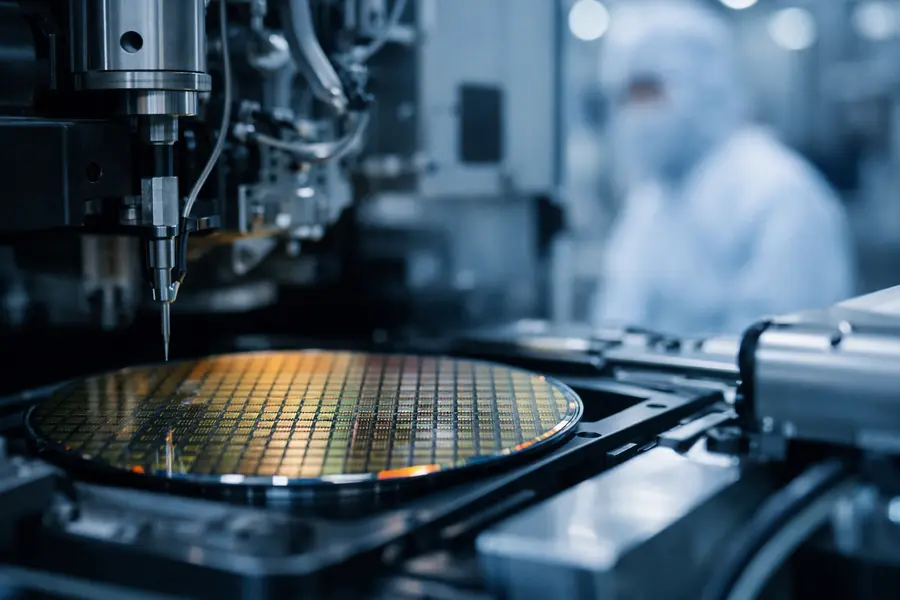
Nvidia's Huang occupies the most sensitive seat. His company dominates the GPU market powering AI infrastructure in both countries, and he has personally lobbied the White House and Congress to resume advanced chip sales to Chinese customers. Export restrictions imposed in successive rounds since 2022 have blocked Nvidia from shipping its most capable processors into China, effectively shutting the company out of a market it once estimated at tens of billions in annual revenue.
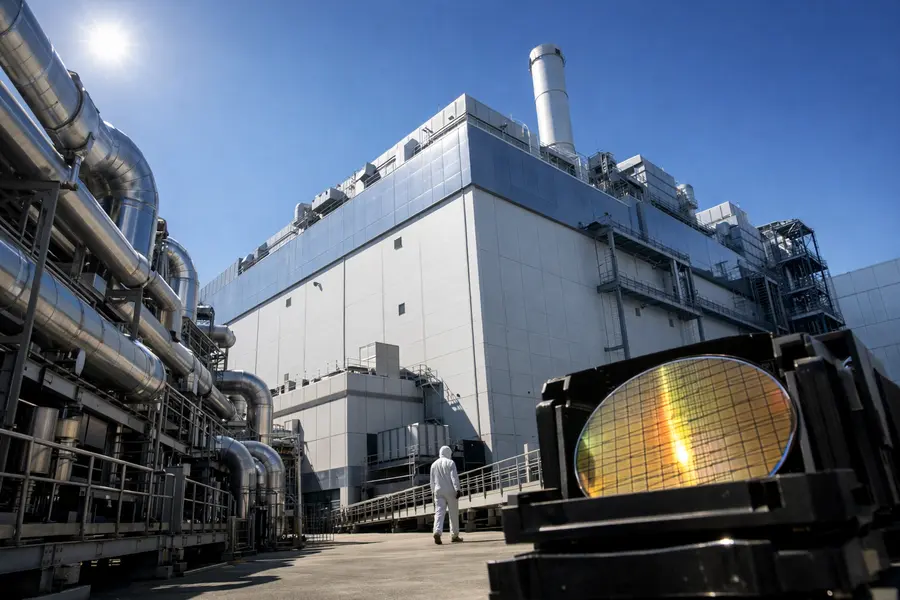
Qualcomm's exposure is structurally different but equally material. The San Diego chipmaker designs processors embedded in smartphones, automobiles, and industrial IoT devices manufactured overwhelmingly in China, making its business model directly sensitive to any shift in technology transfer rules. Apple's supply chain, still heavily concentrated in Chinese manufacturing despite ongoing diversification into India and Vietnam, introduces a parallel layer of bilateral sensitivity.
What Does This Mean for AI Stocks?
Markets have already priced in cautious optimism. Nasdaq, S&P 500, and Dow futures all climbed heading into the summit week, with NVDA shares gaining 2.54% and QCOM adding 2.09% in the sessions preceding Xi's arrival. Investors tracking ai stocks are reading the executive guest list as confirmation that the White House intends to use industry expertise - and industry advocacy - to shape whatever framework emerges from the talks.
No formal trade or export control agreement is expected from the dinner itself. U.S. officials have stated that export controls are managed through a separate diplomatic channel and remain off the September 24 negotiating table. The most plausible public deliverable is a narrow joint statement on AI safety risk management, building on the 2024 nuclear-control consensus, rather than any structural shift in chip licensing terms.
Semiconductor Supply Chain and the Rare Earth Equation
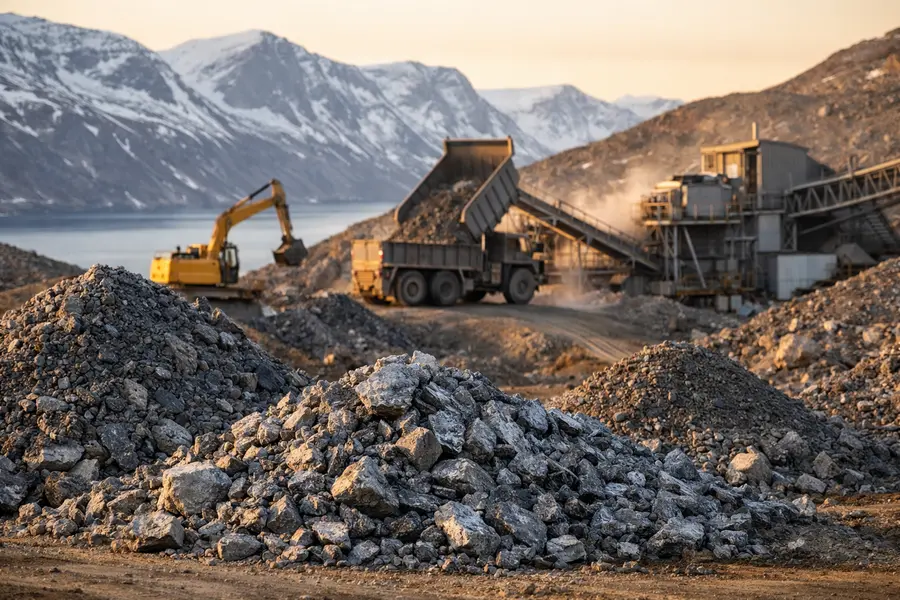
China's primary commercial demand entering the summit is relief from U.S. semiconductor export restrictions, particularly on advanced AI processors. Washington has pre-emptively declined to trade that relief in exchange for guaranteed rare earth mineral supply commitments - a linkage Beijing has repeatedly proposed.The administration's $12 billion critical minerals initiative, announced earlier in 2026, targets expanded domestic rare earth mining and processing to reduce structural dependence on Chinese supply chains. That dependence spans materials critical to electric vehicle motors, wind turbines, and, increasingly, semiconductor fabrication. On the trade side, the current tariff truce between the two countries expires in approximately 50 days, adding urgency to discussions that also span Boeing aircraft orders, soybean purchase commitments, and automotive localization requirements.
How to Invest in AI Around a Geopolitical Inflection Point
For institutional investors, the summit's significance lies less in any single deliverable than in the trajectory it signals for the U.S.-China technology relationship. The presence of OpenAI's Altman alongside hardware executives from Nvidia, Qualcomm, Apple, and Microsoft reflects a shared recognition by both governments that AI governance cannot be disentangled from semiconductor access - and that neither side can set the rules unilaterally.
Microsoft's Azure AI platform, Nvidia's datacenter GPU roadmap, and Qualcomm's edge AI ambitions all carry material exposure to export control negotiations that will continue well beyond September 24. The positioning of five industry leaders at a diplomatic state dinner, rather than at a trade working group, reflects the scale of commercial stakes now embedded in what was once a narrowly technical policy debate.
Outlook
The September 24 White House state dinner functions as a formal acknowledgment that the commercial technology sector is now central to U.S.-China statecraft. Export controls on advanced AI chips are not expected to loosen in the near term, and the rare earth supply chain dynamic remains unresolved. The 50-day tariff clock, ongoing chip licensing negotiations, and the absence of a formal AI governance framework all but guarantee that the conversations beginning over dinner will extend through the remainder of 2026 and into the bilateral calendar beyond.
Mentioned tickers: MSFT, NVDA, AAPL, QCOM, AMZN, GOOG, TSLA