Pomegra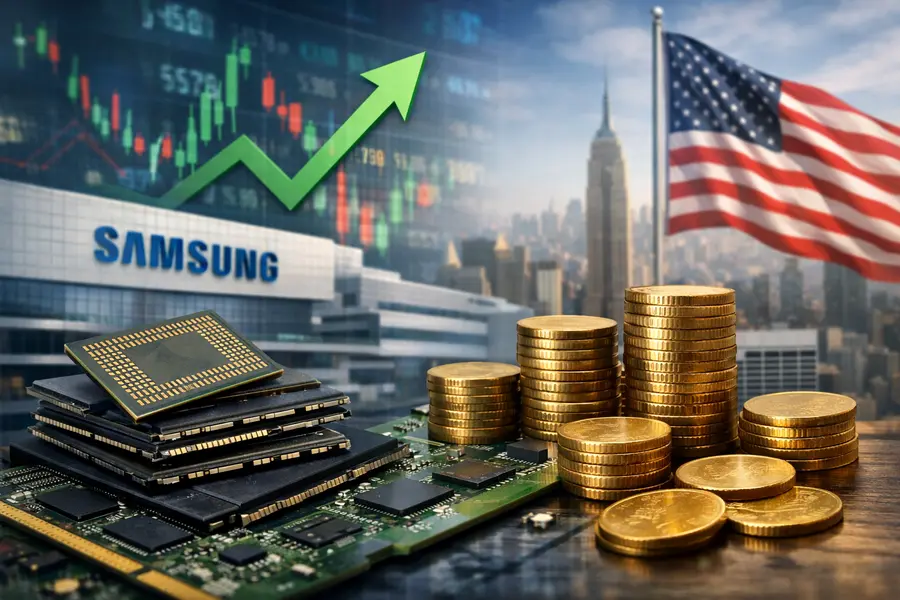
Samsung Electronics is pushing for a third straight quarterly DRAM price increase of up to 20% while exploring an ADR listing in the United States, as AI-driven demand reshapes the global semiconductor industry's pricing power and capital structure.
- Samsung is negotiating a 20% Q3 2026 DRAM price increase — the third consecutive hike — after gains of ~90% in Q1 and 50–60% in Q2.
- AI infrastructure spending has redirected roughly 70% of total memory shipments toward data-center applications, creating a structural supply deficit.
- A US ADR listing is emerging as a leading capital-policy option for Samsung as competitor SK Hynix launches its own $28 billion Nasdaq debut.
Lead
Samsung Electronics is seeking price increases of up to 20% for general-purpose DRAM memory chips in the third quarter of 2026, continuing a pricing cycle that has already pushed memory costs sharply higher since January, while simultaneously weighing an American Depositary Receipt listing on a US exchange that would give the world's largest memory producer direct access to the deepest equity market on the planet. The parallel moves reflect both the extraordinary leverage that semiconductor suppliers now hold over the technology supply chain and a growing strategic imperative to close the valuation gap with US-listed peers.What Happened
Samsung is in active negotiations with major customers to raise average selling prices for commodity DRAM by up to 20% quarter-on-quarter in Q3 2026. The proposed hike would be the third successive quarterly increase: contract prices surged roughly 90% in the first quarter of 2026 and a further 50–60% in Q2. A 12GB LPDDR5X module that carried a contract price of around $120 at the end of Q1 now trades near $145, a gain of more than 20% in roughly three months.
Research firm TrendForce projects that DRAM contract price gains in Q3 will settle in a range of 13–18% quarter-on-quarter as customer resistance stiffens, while Gartner forecasts an overall DRAM price increase of 47% for full-year 2026 — an outcome that would rank among the sharpest annual repricing cycles in the industry's history.
The AI Driver
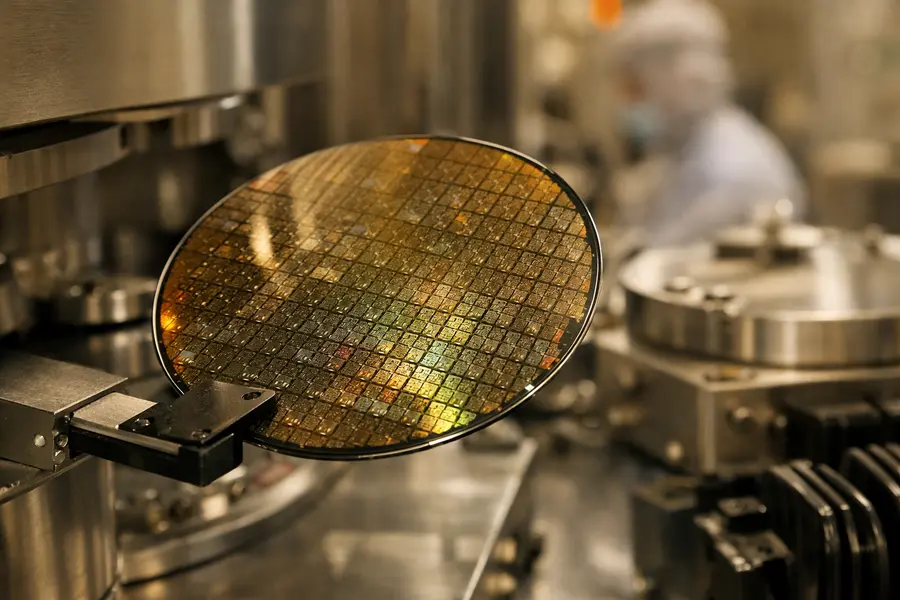
The proximate cause of the memory chip squeeze is the relentless build-out of artificial intelligence infrastructure. AI data centers now absorb approximately 70% of total industry memory shipments, and the economics of high-bandwidth memory production exacerbate the scarcity of conventional products. Producing HBM for AI accelerators consumes roughly three times the silicon wafer capacity per gigabyte compared with standard DRAM, effectively shrinking the addressable supply of commodity memory every time a chipmaker shifts a production line toward higher-margin HBM.
Samsung, SK Hynix, and Micron Technology have all redirected capacity in response to the premium pricing available in the HBM segment. Samsung announced in February that it had become the first manufacturer to reach mass production of HBM4, the next-generation specification, and is shipping chips to a small number of hyperscale customers. SK Hynix retains the leading position in HBM by revenue, holding approximately 57% market share in the fourth quarter of 2025.The reallocation has left device manufacturers — smartphone brands, PC assemblers, automotive suppliers — competing for a diminishing pool of conventional DRAM, granting memory producers pricing power of a kind rarely seen in a commodity segment historically prone to oversupply.
Financial Backdrop
The pricing cycle is flowing directly to Samsung's bottom line. The company's Q1 2026 operating profit reached 57.2 trillion won (approximately $41.5 billion), a gain of 756% year-on-year, with its semiconductor division accounting for 94% of consolidated profit. Analyst consensus projects full-year 2026 operating profit at roughly 86 trillion won, a figure that would exceed Samsung's cumulative earnings across its first four decades in the semiconductor business.
Consumer electronics manufacturers are already absorbing the upstream cost increases. IDC projects average US smartphone prices could rise approximately 14% this year, approaching $523, as handset brands pass higher component costs on to end users.
The US Listing Question
Against this backdrop of surging profitability, Samsung is confronting a long-standing structural challenge: the persistent undervaluation of its shares on the Korea Exchange relative to US-listed semiconductor peers. Micron Technology, which holds the third-largest DRAM market share behind SK Hynix and Samsung, carries a valuation premium over both Korean rivals primarily because of its New York Stock Exchange listing.
KB Securities described a US ADR listing for Samsung as a "leading capital-policy option" following investor meetings in which interest in such a step was described as "far stronger than expected." An ADR structure would allow US institutional and retail investors to hold Samsung shares without navigating the Korea Exchange, broadening the shareholder base and potentially narrowing the discount that observers describe as a structural feature of Korean equity markets.
The timing is directly linked to a parallel move by SK Hynix, which launched a $28 billion Nasdaq listing on July 6, 2026, drawing approximately $7 billion in investor interest. Samsung is widely expected to monitor the execution and aftermarket performance of SK Hynix's debut before committing to a similar path.
Strategic Context
The convergence of aggressive pricing and a potential US listing places Samsung at an inflection point across multiple dimensions of global semiconductor strategy. On the supply side, the company must balance the short-term revenue gains from commodity DRAM repricing against customer attrition risk if prices outpace what device manufacturers can absorb. On the capital markets side, a US listing would increase scrutiny from American institutional investors and analysts accustomed to quarterly guidance and shareholder return frameworks that differ from Korean market conventions.
Both strategies carry competitive logic: the pricing push extracts maximum value from a structural supply deficit while it persists, and the listing option would position Samsung to access US capital markets and benchmark its valuation against Micron and other global peers at a moment when the semiconductor sector commands a high investor premium.
Outlook
The Samsung chip price hike trajectory will be determined in the coming weeks as Q3 contract negotiations conclude. Whether the full 20% is achieved or the outcome lands within TrendForce's 13–18% range, the direction of pricing remains unambiguously upward as AI infrastructure demand shows no sign of abating. The US listing decision is a longer-cycle question, with Samsung's board and management likely to evaluate SK Hynix's Nasdaq experience as a reference case before committing to a structure that would materially alter the company's relationship with global capital markets. The two moves together signal a Samsung intent on translating technological leadership into financial rerating.
Mentioned tickers: SSNLF, MU, SKHY