Pomegra
Oil prices climbed sharply on July 17 as fresh US-Iran infrastructure strikes and collapsed peace negotiations reignited fears of a prolonged global energy supply risk with no diplomatic off-ramp in sight.
- Brent crude rose 3% to $86.73/barrel; WTI gained 3.3% to $81.53 on July 17 amid escalating US-Iran hostilities.
- Strait of Hormuz crude transit has fallen 62% to 4.1 million barrels per day since the conflict intensified.
- Switzerland peace talks were postponed Friday as renewed fighting in Lebanon derailed the diplomatic timeline.
Lead
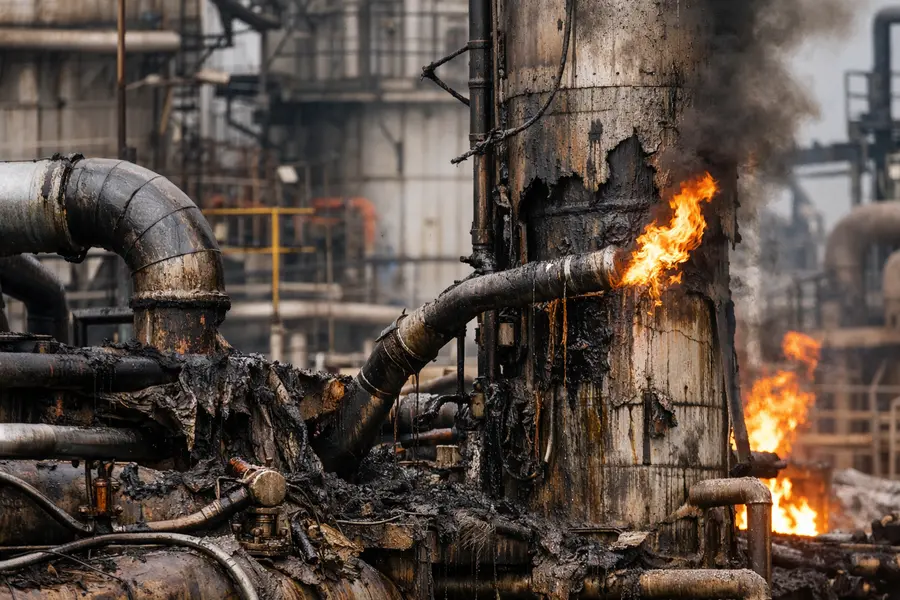
Brent crude futures advanced 3% to $86.73 per barrel on Friday, July 17, while West Texas Intermediate gained 3.3% to $81.53, putting both benchmarks on course for a weekly rise of approximately 12% — their strongest single-week performance since April. The oil price surge was triggered by a new round of US military strikes on Iranian territory, marking the sixth consecutive night of American air operations, and by Iran's retaliatory attacks on critical infrastructure across multiple Gulf states, including a strike on a Kuwaiti water desalination and power plant that ignited a large fire affecting a significant portion of the country's electricity generating capacity.What Happened
The overnight exchange of strikes sharply escalated a conflict that began on February 28. The US military targeted 90 Iranian sites in the latest salvo, following an initial wave of 85 targets struck Tuesday night after commercial vessels in the Strait of Hormuz were attacked. Iran countered by striking US military assets and civilian infrastructure in Bahrain, Jordan, Kuwait, Oman, Qatar, and Syria — a geographic breadth that underscored Tehran's willingness to draw regional partners into the confrontation.
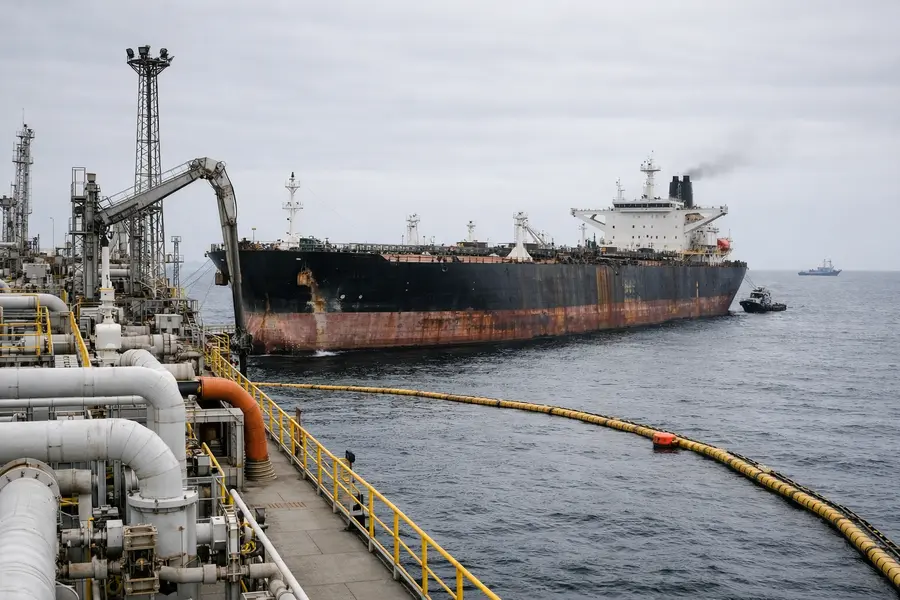
The Middle East war oil impact has been substantial. Confirmed crude transit through the Strait of Hormuz — which in normal conditions carries roughly 20% of the world's seaborne oil and approximately 20% of global liquefied natural gas — has fallen 62% to just 4.1 million barrels per day. The International Energy Agency has characterized the broader disruption since the conflict began as the largest supply shock in the history of the global oil market, with global supply contracting by 10.1 million barrels per day in March at the peak of the disruption.
Talks Delayed
The diplomatic backdrop deteriorated further Friday when peace negotiations scheduled to take place in Switzerland were postponed. The talks, designed to convert a June 17 Memorandum of Understanding between Washington and Tehran into a durable ceasefire, were pushed back after renewed clashes between Israel and Iran-backed Hezbollah in southern Lebanon undermined the conditions both sides had set for engagement. Neither government has formally declared the MoU void, but each has accused the other of violations. A US official confirmed Washington remains committed to negotiations, though no new date has been set.
President Donald Trump has signaled that US-Iran infrastructure strikes could intensify further if a diplomatic breakthrough does not materialize in the coming days, raising the stakes for any resumed talks.
Market Reaction
The oil market's response on Friday reflected not only the immediate oil price surge July 17 but also growing concern about the structural persistence of the supply disruption. Energy equities gained broadly. The IEA's executive director warned publicly that if oil flows through the Strait of Hormuz do not recover soon, the world faces a genuine global energy supply risk with potential stagflationary consequences — echoing the supply shocks of the 1970s. Brent is now forecast to average approximately $86 per barrel for the full year 2026 before easing toward $70 in 2027 as supply normalizes, assuming a resolution is reached.
Strategic Context
The Strait of Hormuz, a roughly 33-kilometer-wide passage between Iran and Oman, serves as the critical chokepoint for energy flows from Saudi Arabia, Iraq, the UAE, Kuwait, and Qatar to consumers in Asia and Europe. A sustained closure or severe restriction at the strait translates directly into higher fuel costs for importing nations, accelerating inflation in energy-dependent economies and complicating monetary policy responses at a time when central banks have only recently brought post-pandemic inflation under control.
Iran's decision to strike civilian infrastructure in Kuwait and other Gulf states represents a deliberate escalation tactic, designed to pressure US regional partners and raise the political cost of hosting American military assets. The Middle East war oil impact now extends beyond energy markets to aviation fuel, petrochemical feedstocks, and shipping insurance premiums across the broader Indo-Pacific supply chain.
Outlook
The near-term trajectory of oil prices hinges almost entirely on whether the US and Iran can reconvene negotiations and halt the cycle of reciprocal strikes. Until a new dialogue framework is established, the global energy supply risk premium embedded in crude prices is unlikely to dissipate. A full Strait of Hormuz reopening at normal capacity would represent the single most deflationary event for the oil market, but with the June 17 MoU under strain and Switzerland talks postponed indefinitely, that outcome remains contingent on political decisions that neither side has yet shown willingness to make. Oil prices are set to remain elevated as long as the conflict persists, with any further escalation — particularly strikes on major Gulf production infrastructure — carrying the potential to push Brent materially above current levels.
Mentioned tickers: USO, BNO, XLE, XOM, CVX, COP, OXY, SLB, HAL, BP, SHEL, TTE