Pomegra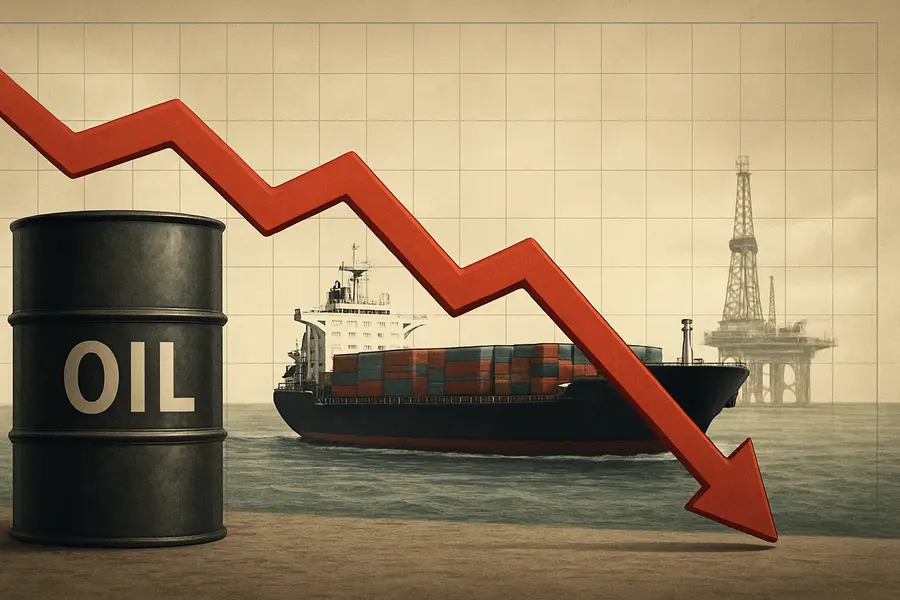
Brent crude tumbles to a four-month low as tanker transits through the Strait of Hormuz accelerate, restoring Persian Gulf exports to roughly 75% of prewar levels after a historic closure.
- Brent crude declined to approximately $72 per barrel this week, down more than 37% from its 2026 wartime peak above $114.
- Persian Gulf oil exports have recovered to roughly 75% of pre-conflict levels following the U.S.-Iran ceasefire memorandum.
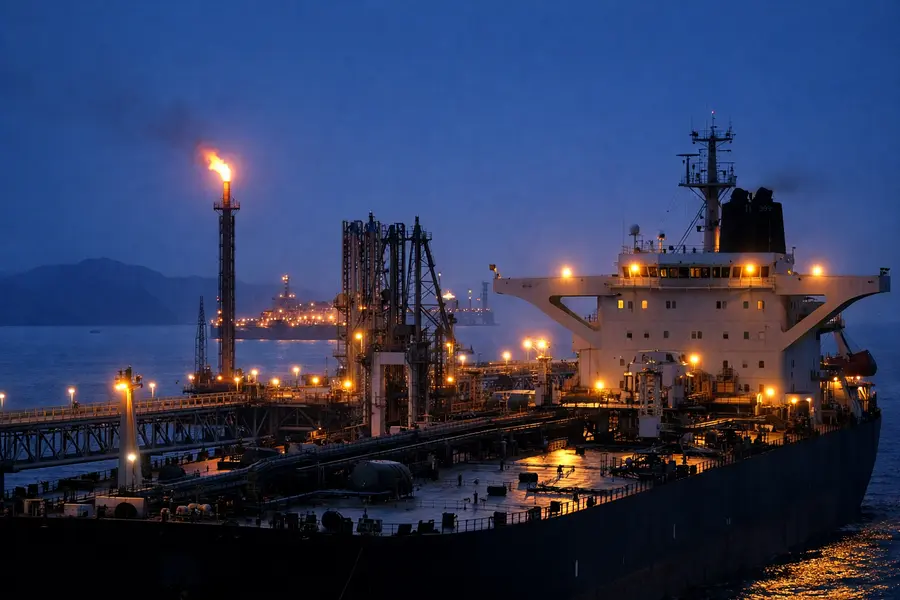
- An estimated 54 supertankers, carrying the collective equivalent of one month of U.S. crude imports, remain queued to transit the strait.
Lead
Crude oil settled near $72 per barrel on Friday, its lowest close since late February, as tanker transits through the Strait of Hormuz surged following the U.S.-Iran interim peace arrangement — a development that unleashed one of the swiftest oil price drop sequences of the decade. Brent futures recorded a weekly decline exceeding 10%, the steepest single-week retreat in 2026, as markets repriced four months of compacted geopolitical risk premium in a matter of days.What Happened
The 2026 Strait of Hormuz crisis opened on February 28 when the United States and Israel launched military operations against Iran. Tehran responded by closing the strait to commercial navigation, backed by Iranian Revolutionary Guard Corps drone patrols, sea mines, and formal warnings to vessel operators. The closure removed an estimated 12 to 15 million barrels per day from global energy supply — roughly 15% of total global production — the most complete interruption of Persian Gulf oil exports in the modern history of international energy trade, exceeding every prior geopolitical flashpoint in the waterway's commercial history.
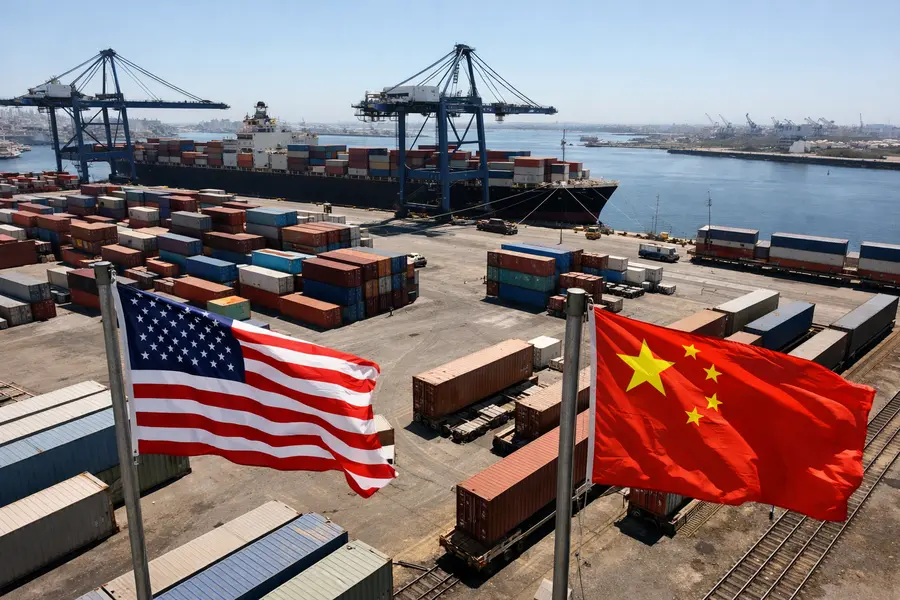
By mid-June, U.S. President Donald Trump and Iranian President Masoud Pezeshkian signed a memorandum of understanding under which Iran agreed to the full reopening of the strait, without tolls, for at least 60 days. In exchange, the U.S. committed to lifting its blockade of Iranian ports alongside additional concessions. Saudi Arabia immediately resumed crude loading at its Ras Tanura terminal, a signal of major regional output resumption, while the United Arab Emirates, Kuwait, and Qatar moved in parallel to ramp up shipments.
Market Reaction
The oil price drop has been both steep and rapid. Brent crude fell from a 2026 peak of more than $114 per barrel — a level last seen in 2022 following Russia's invasion of Ukraine — to approximately $72 by late June. WTI crude, the U.S. benchmark, tracked a comparable decline of around 25% from its wartime high. On June 26, WTI briefly broke below $70 after a separate drone strike on a cargo vessel near Oman reignited concerns about the durability of the ceasefire, illustrating the tight coupling between Hormuz shipping news and daily price discovery.
Energy equities pulled back sharply from the multi-year highs they had reached during the supply shock, as the structural scarcity premium embedded in oil prices reversed on expectations of a sustained supply recovery.
Geopolitical Dimension
The Strait of Hormuz funnels approximately 25% of the world's seaborne crude oil trade and 20% of global LNG shipments. Its near-total blockade from late February onward tested a contingency that energy security planners had long modeled but never confronted at this scale or duration. The Tanker War of the 1980s, the most frequently cited historical analogue, never produced a closure of comparable completeness.
Despite progress, the framework remains fragile. President Trump publicly accused Iran of violating the ceasefire by targeting vessels in the strait with drones, casting uncertainty over the 60-day window. Mine-clearance operations continue. Marine insurance frameworks for Gulf routes are only partially restored. Shipping executives have warned the backlog of approximately 54 supertankers — each carrying an average of 1.5 million barrels — could take several weeks to fully clear, delaying the translation of navigational reopening into normalized export flows.
Strategic Context
The crisis reshaped the crude oil forecast landscape globally. The World Bank projected energy prices would surge 24% in 2026, their sharpest annual rise since Russia's 2022 invasion of Ukraine. The International Energy Agency revised its supply deficit estimates repeatedly as Iranian and Gulf production remained effectively landlocked inside the Persian Gulf.
OPEC+ approved a symbolic output quota increase of 206,000 barrels per day for May but acknowledged that most member nations lacked the export logistics to act on it while the strait remained closed. Saudi Arabia and the UAE — the bloc's dominant swing producers — were themselves constrained until navigation reopened, leaving the quota hike as a forward signal rather than an immediate supply addition.Outlook
The most acute phase of the Hormuz shipping disruption appears to be easing, and the scale of the latent supply backlog — built over four months of near-total closure — will keep downward pressure on oil prices through the third quarter as tanker queues clear and Gulf producers accelerate loadings. The global energy supply normalization is a structural positive for consumer economies and energy-intensive industries, but the gap between navigational reopening and full supply reintegration means crude oil forecast revisions remain frequent. The ceasefire's 60-day clock, unresolved mine-clearance timelines, and the Iran-U.S. diplomatic temperature will determine whether the oil price drop stabilizes around current levels or extends further into the second half of 2026.